Mumbai BMC Stops Construction On Reserved Infrastructure Plot
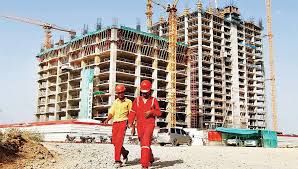
The Brihanmumbai Municipal Corporation (BMC) has intervened to stop construction on land earmarked for a critical sewage treatment plant (STP) in the heart of South Mumbai after discovering unauthorised buildings on the parcel — a development that raises fresh questions about urban land governance and essential infrastructure delivery in the city. The civic authority issued immediate stop-work directives and instructed that a formal complaint be registered against an engineer from the Slum Rehabilitation Authority (SRA) implicated in the irregularity.
The affected site in Worli was designated for public sanitation infrastructure critical to alleviating chronic wastewater management pressures in one of Mumbai’s fastest-densifying residential and commercial hubs. STPs are core components of metropolitan environmental management, ensuring sewage is treated before discharge to water bodies, thereby curbing pollution and protecting public health. Unauthorised construction in such zones can jeopardise long-term city planning goals, particularly under frameworks like City Sanitation Plans and climate resilience strategies.The BMC’s action reflects heightened civic scrutiny over land use in Mumbai, where rapidly rising urban density competes with the imperative to deliver resilient infrastructure. Officials found that two buildings were being erected on the reserved site without requisite permissions, leading to immediate suspension of activity. The BMC has directed relevant legal and administrative channels to pursue accountability, including lodging a complaint against the responsible SRA engineer, whose oversight is now under investigation.
Urban development experts say this incident underscores systemic risks when statutory bodies overseeing rehabilitation and redevelopment operate adjacent to civic infrastructure mandates. The Slum Rehabilitation Authority — charged with facilitating housing solutions for eligible informal settlement residents — often navigates complex land transactions; but encroachments on municipally designated infrastructure plots point to weak inter-agency coordination and gaps in oversight. Analysts argue that transparent digital land records and stronger cross-agency checks are essential to pre-empt such clashes between development and public utility priorities.For residents and businesses in Mumbai’s core urban areas, the episode has tangible implications. Infrastructure delays can affect not only environmental outcomes but also local property markets and quality of life. Sewage treatment projects, when operational, reduce untreated discharge into water channels and mitigate odour and public health risks — benefits that are increasingly valued amid rising climate-linked water stress and wastewater load.
Governance analysts also point to broader pressures on municipal land portfolios. With rising demand for multifamily housing, commercial space and redevelopment projects, pressure on limited urban land has catalysed a proliferation of formal and informal claims. Without robust enforcement, such pressures can distort planned infrastructure networks and erode public trust in institutional delivery systems.Civic officials affirm that work will remain suspended until the site is cleared and all legal and planning questions are resolved. The BMC’s decisive halt adds to a sequence of regulatory interventions — including recent stop-work orders on construction sites for environmental reasons — aimed at enforcing compliance and safeguarding essential urban services.
The outcome of the complaint against the SRA engineer and subsequent enquiries will be closely watched by housing advocates, urban planners and infrastructure investors alike, as Mumbai seeks to balance its rapid growth with inclusive and sustainable city-building imperatives.