Mumbai BMC Revises Fines To Improve Street Cleanliness
Mumbai’s civic authorities have rolled out an updated enforcement regime under the Solid Waste (Management and Handling), Cleanliness and Sanitation Bylaws, 2025, introducing a structured set of penalties aimed at elevating hygiene standards and reinforcing public responsibility across the metropolis. The Brihanmumbai Municipal Corporation (BMC) formalised fines that span from routine violations such as spitting and littering to major offences like unauthorised dumping of construction waste, signalling a shift towards disciplined management of urban public spaces.
Under the revised bylaws, commonplace actions that compromise city cleanliness — including spitting in public, dropping waste on footpaths or roadways, and failing to segregate household refuse — now attract specific monetary penalties. Spitting in public spaces carries a typical fine of around ₹250, while littering is set at roughly ₹500. Minor defaults such as improper waste segregation face fines starting at ₹200. At the upper end of the scale, unauthorised transport or dumping of construction and demolition debris can result in charges up to ₹25,000 per vehicle, reflecting the greater environmental and operational costs associated with such infractions.These penalties apply uniformly across all waste generators, including residential, commercial, industrial, institutional and public establishments, placing clear responsibility on citizens and entities alike for maintaining sanitation standards. The framework touches on 21 distinct categories of offences, encompassing public urination and bathing, washing vehicles or utensils in public areas, and failure to clear premises or drains — each assigned an enforcement value commensurate with its impact on public space and health outcomes.
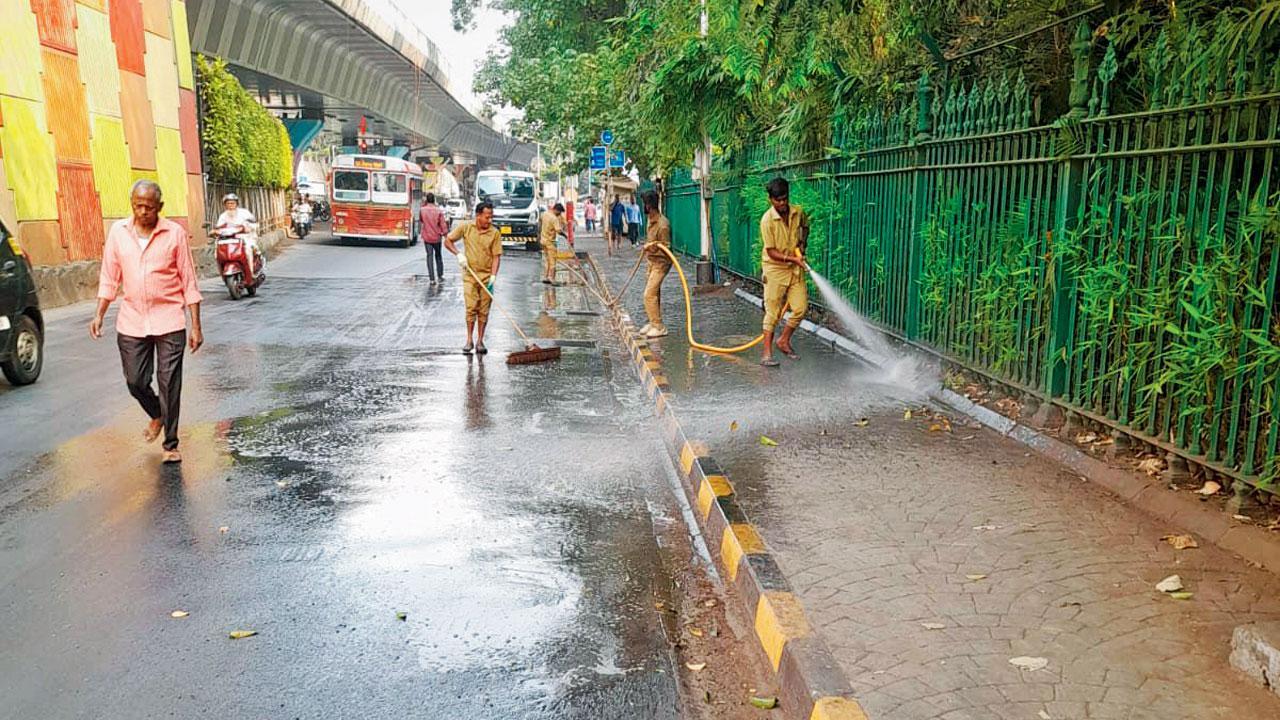
BMC officials stress that the by‑laws are aligned with national Solid Waste Management Rules and aim to regulate waste at the source through obligatory segregation, timely disposal and designated handling methods. Implemented under administrative oversight, these regulations dovetail with ongoing cleanliness drives and special campaigns intended to normalise responsible waste practices. Urban sanitation experts note that well‑structured penalties, when backed by consistent enforcement, can shape civic behaviour and reduce the burden on municipal services.However, the success of these measures will likely hinge on deployment logistics and public cooperation. Experience from recent enforcement rounds shows that clean‑up marshals have already imposed hundreds of fines for spitting and littering, collecting dues from violators in several wards. While this indicates active compliance monitoring, persistent gaps in infrastructure — such as insufficient public bins and waste collection amenities in some localities — could temper long‑term behavioural shifts.
Stakeholders in urban governance say that sustainable improvements also require complementing penalties with awareness campaigns, better street‑level infrastructure, and community partnerships that encourage disciplined waste management. As Mumbai positions itself as a competitive global city, refining both rule design and execution will be essential to uphold cleanliness standards and promote health‑oriented public environments across diverse neighbourhoods.