


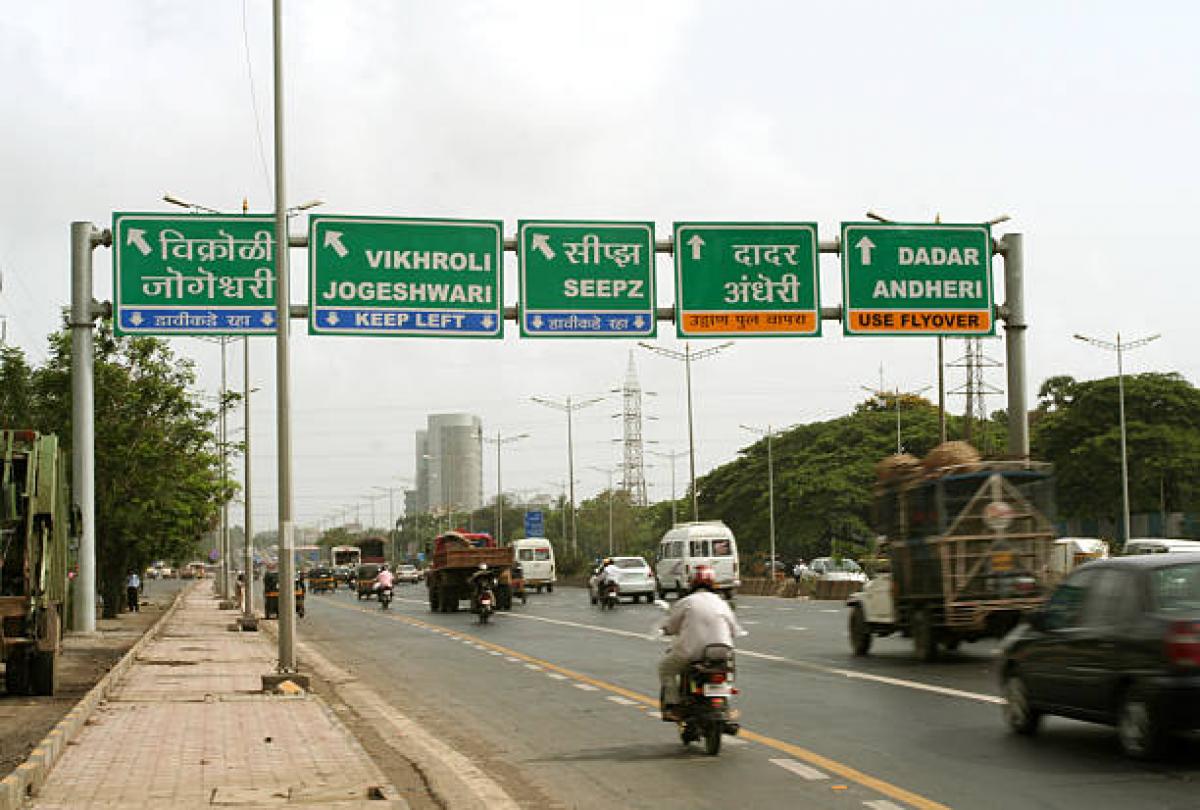
Mumbai BMC Moves to Junction to Junction Road Concreting to Ease Traffic Congestion
The Brihanmumbai Municipal Corporation (BMC) has unveiled a new strategy for road construction and concreting. The “junction to junction” approach, aimed at avoiding random and disruptive digging for roadworks, is designed to ensure smoother traffic flow across the city while completing projects on time and with minimal disruption.
This move comes in response to numerous complaints from over 100 active Advanced Locality Management (ALMs) in H West Ward, who had voiced concerns about the constant disruptions caused by haphazard road digging. Residents had reported that frequent and random road excavations for cement concreting had exacerbated the already significant traffic problems in the area. To address this, the BMC’s latest initiative will focus on consolidating work zones, prioritising a methodical approach that concentrates efforts from one junction to the next, as opposed to sporadic, scattered roadwork. This approach is expected to reduce the amount of time roads are blocked and minimise congestion caused by construction activities.
BMC officials have also put strict guidelines in place to ensure these projects are completed in a timely manner. The Additional Municipal Commissioner (Projects), in a recent directive, emphasized that all roadworks should be completed by May 31. He also cautioned that any delays would be unacceptable, with new excavation work halted until existing projects were completed. His instructions stressed that barricading during the roadworks should be secure, allowing as much space as possible for open traffic lanes, a crucial point given the city’s chronic traffic woes.
As part of this overhaul, BMC has partnered with contractors who have set up Ready-Mix Concrete (RMC) plants in Kurla and Kashimira, located in Mira Bhayandar. The RMC plants will ensure a steady supply of pre-mixed concrete, reducing delays caused by mixing and transportation issues. During inspections, municipal officials conducted quality control tests, such as cube tests, slump tests, and bar tests, to ensure that the concrete being used meets the necessary standards. The quality of roadworks has been a significant issue in the past, with complaints about cracks appearing on newly concreted roads across Mumbai. The BMC has traced these problems to lapses in monitoring, particularly at RMC plants, and has promised stricter oversight during both the mixing and curing stages of concrete production. In line with this, consultants responsible for monitoring quality are now facing penalties for failing to follow standard procedures.
The introduction of this junction-to-junction approach is also part of broader efforts to enhance infrastructure and ensure that the roads being constructed meet the needs of the city’s increasing population. Discussions with academic institutions like the Indian Institute of Technology (IIT) and the Institute of Quality Management and Control have been held to tackle the challenges involved in urban infrastructure development. Experts from these institutions are working with BMC to streamline the construction process and ensure that roadwork is both efficient and sustainable. Moreover, the BMC has introduced new public-facing measures to improve transparency. Clear signage at work sites will now display critical details such as the start and completion dates of projects, as well as the length and width of the roads being worked on. This is part of an effort to keep residents informed and reduce frustration caused by unexpected road closures or delays.
While the city continues to grapple with significant infrastructure challenges, the BMC’s new approach signals a commitment to improving urban mobility while reducing the disruptions caused by roadworks. By focusing on an organised and scheduled approach, the BMC hopes to not only improve traffic management but also maintain high standards of construction quality, leading to a more efficient and sustainable urban environment.
