Mumbai BMC Intensifies Crackdown On Illegal Structures
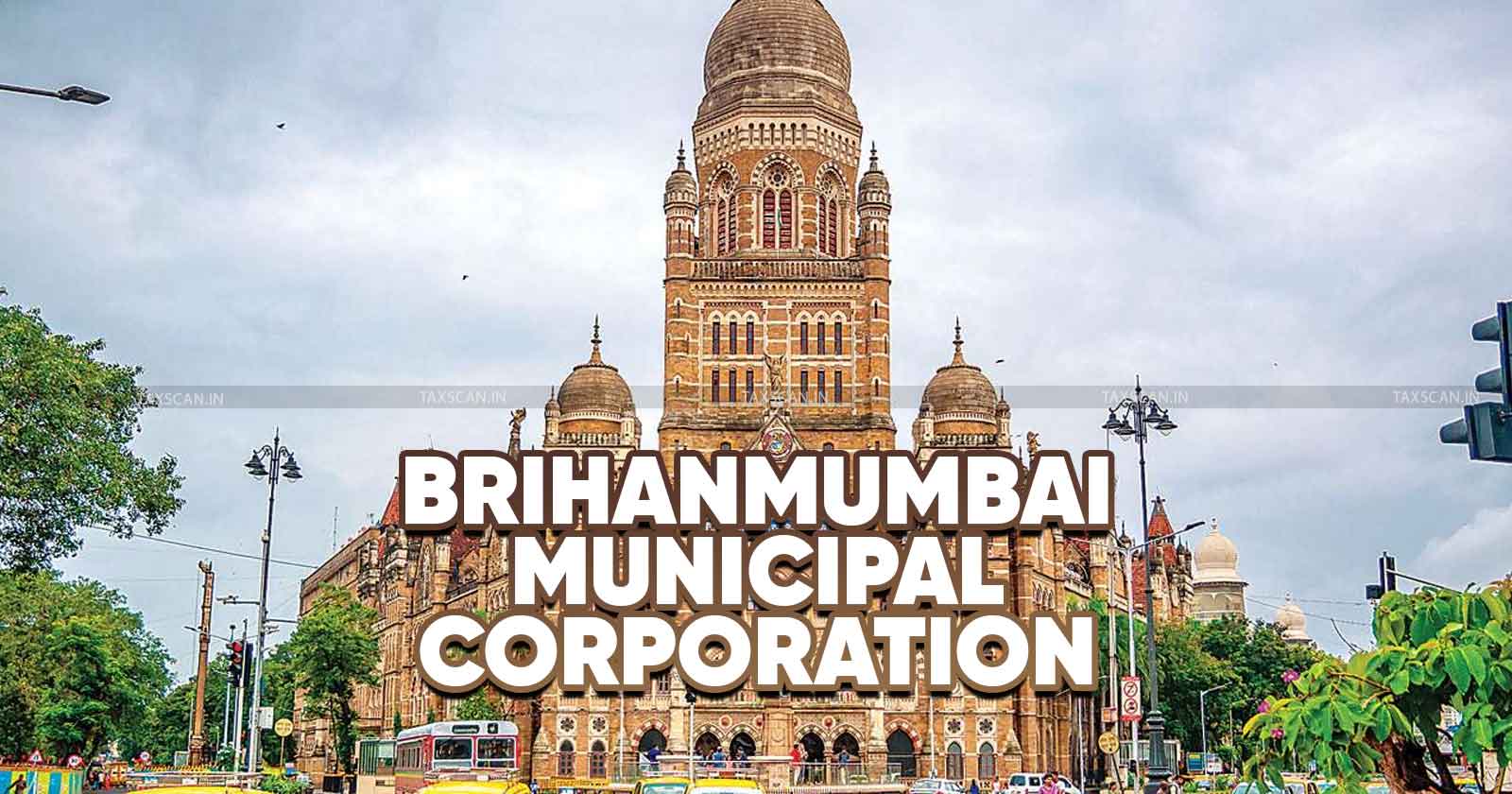
The Brihanmumbai Municipal Corporation (BMC) conducted an extensive anti-encroachment operation in parts of Borivali (West) and Kandivali (West) on February 20, 2026, removing dozens of unauthorised stalls and illegal constructions to reclaim public space and improve urban mobility. The action reflects the civic body’s renewed push to enforce land use and pedestrian access norms in densely populated suburban districts, marking an important phase in Mumbai’s efforts to modernise street networks and protect civic infrastructure.
Civic teams dismantled around 25 illegal structures and 35 unauthorised stalls in the Mahavir Nagar belt of both localities, deploying heavy machinery alongside officers from the BMC’s Encroachment Removal, Vigilance, Building & Factories, and Solid Waste Management departments. The operation saw coordinated involvement from more than 50 personnel with the support of police for securing the sites, indicating an escalation in enforcement resources to address encroachment challenges.Urban planners and public space advocates say such drives are often necessary to counter long-standing pressures on city streets, where informal commercial activity and structures can spill onto footpaths and carriageways, constraining mobility for pedestrians, cyclists and motorists alike. In Mumbai’s fringe suburbs — areas experiencing rapid demographic growth and mixed commercial-residential development — unregulated stalls and constructions have frequently contributed to bottlenecks and safety risks, especially close to transit hubs and arterial routes.
The latest operation is part of a broader, citywide anti-encroachment campaign led by the BMC and intensified under current civic leadership, aimed at regularising land use and improving public space quality. Previous drives in areas such as Dadar, Mulund and Vidyavihar, alongside ongoing footpath clearance efforts, indicate a systematic approach to reduce obstructions on pedestrian paths and rights-of-way, and to integrate urban thoroughfares into wider mobility plans.However, enforcement drives often stir complex socio-economic questions. Informal vendors, many of whom occupy civic peripheries due to rising commercial rents and lack of formal retail opportunities, argue that removal actions can undermine livelihood options without providing alternative spaces or support. Urban economists emphasise that inclusive planning — including designated hawker zones, formal vending clusters and integrated stall-space allotments — can reconcile the need for orderly public spaces with equitable access to economic opportunity for micro-entrepreneurs.
Municipal officials have defended the demolition efforts as essential to restoring safe, obstruction-free roads and pedestrian infrastructure, particularly in Mahavir Nagar where encroachments had reduced visibility and amplified congestion. By clearing these stretches, authorities say they will facilitate smoother traffic flow, improve emergency vehicle access, and strengthen the urban environment for all residents.
The drama of removing unauthorised infrastructure in busy suburbs underscores a perennial planning dilemma: balancing the enforcement of zoning and public use norms with the economic realities of informal sectors that have long operated within Mumbai’s sprawling urban fabric. As the BMC continues such enforcement drives, the challenge will lie in coupling regulatory action with sustainable, inclusive urban design solutions that accommodate both mobility needs and livelihoods.