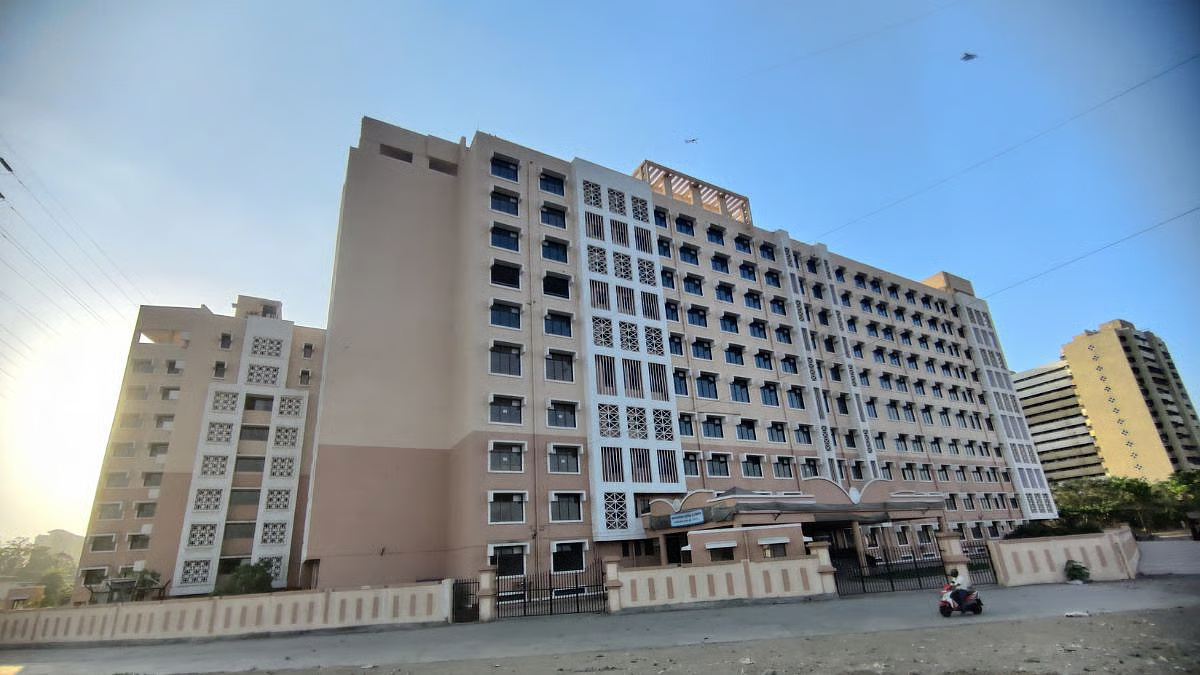
The Brihanmumbai Municipal Corporation has issued a tender to appoint a private operator for a major civic hospital in Mankhurd, reigniting debate over the future of public healthcare in Mumbai just days before the model code of conduct for civic elections came into force.
The civic body has invited proposals for operating and managing the 410-bed Lallubhai Compound Hospital under its Civic Health Collaboration framework. While officials describe the model as a partnership aimed at improving service delivery, health experts and citizen groups argue that it mirrors the much-criticised public-private partnership approach previously resisted across the city. According to the tender, the selected private entity would be granted operational control for an initial 15 years, with an option to extend the contract for another 15 years. The timing of the move has raised questions, as the request for proposals was issued shortly before election restrictions were imposed, limiting major policy decisions by civic authorities.
Built by a regional planning agency and recently transferred to the municipal corporation, the hospital was originally conceived to address healthcare gaps in Mankhurd, particularly among rehabilitated and low-income communities. Instead of running the facility directly, the corporation has chosen to outsource its management, citing efficiency, quicker service rollout, and specialist availability as key drivers. Civic officials familiar with the decision said the collaboration model is intended to reduce operational delays and ensure the hospital becomes functional within defined timelines. Under the tender conditions, outpatient services must begin within six months, while advanced inpatient and surgical services are expected to follow in phases over the next 15 months.
However, public health advocates remain unconvinced. They point to earlier attempts to hand over civic hospitals in Borivali and Govandi to private operators, which were stalled after sustained public protests. For critics, the new tender signals a renewed push towards privatisation without adequately addressing concerns around affordability, accountability, and equitable access. The tender document outlines fixed consultation charges, including a nominal fee for general outpatient visits, alongside higher rates for specialty and super-specialty consultations. While officials argue that regulated pricing will protect patients, health economists warn that diagnostic tests, procedures, and admissions often become costlier under private management, indirectly burdening vulnerable residents.
The hospital infrastructure includes multiple outpatient departments, operation theatres, intensive care facilities, and parking provisions, positioning it as a key healthcare node for eastern Mumbai. Urban health planners stress that such assets are critical to reducing travel distances, congestion, and delayed treatment for peripheral neighbourhoods. As Mumbai continues to expand, experts say the debate goes beyond ownership models. The real challenge lies in building a resilient, inclusive urban healthcare system that balances efficiency with universal access. With elections approaching, the Lallubhai Hospital tender has become a litmus test for how the city prioritises public health within its broader vision of sustainable and equitable urban development.
Mumbai BMC Floats Tender To Operate Lallubhai Hospital Days Before Poll Code