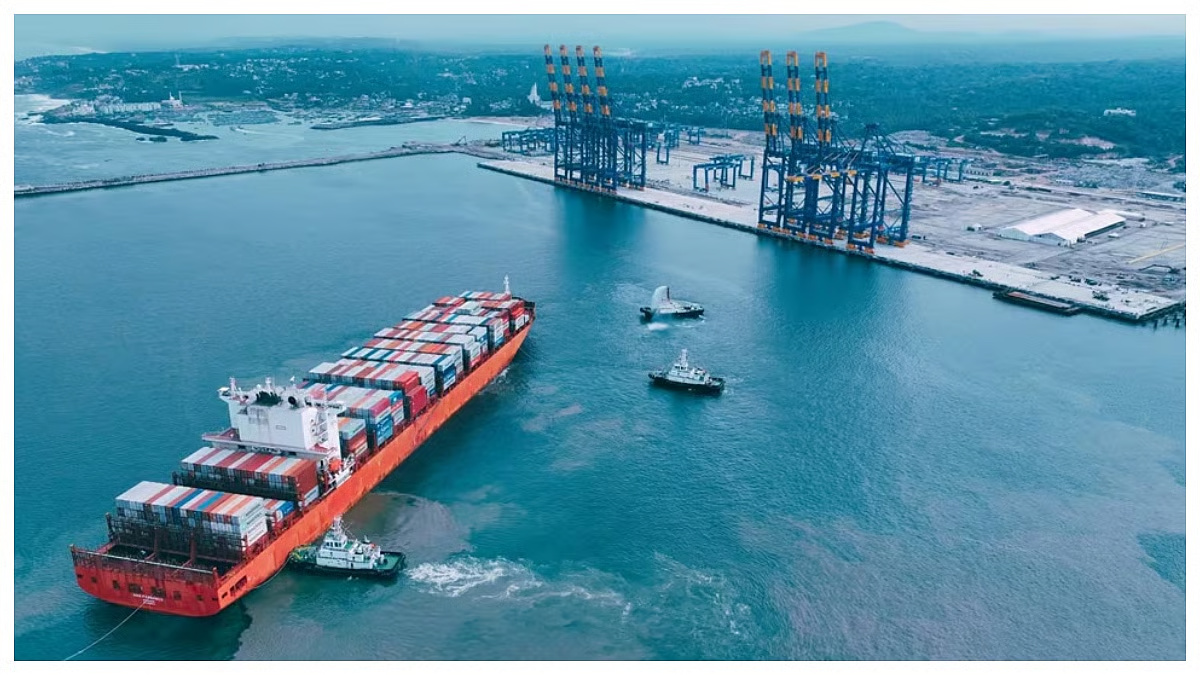
Mumbai’s relationship with the sea is entering a decisive new phase as Maharashtra accelerates efforts to position the city and its surrounding coastline as anchors of a modern blue economy. Recent approvals for large-scale maritime infrastructure, alongside expanded coastal transport planning, signal a shift in how India’s financial capital intends to unlock growth, manage congestion, and diversify its urban economy.
For decades, Mumbai’s coastline functioned largely as a backdrop to inland commercial expansion. Urban planners note that while land scarcity pushed the city vertically, its maritime edge remained underutilised as an economic asset. That imbalance is now being addressed through coordinated investments aimed at transforming waterfronts into productive urban zones supporting tourism, mobility, and real estate, while reducing pressure on saturated road and rail networks. At the centre of this strategy is the Mumbai blue economy framework, which integrates marina infrastructure, coastal passenger transport, and waterfront redevelopment. A senior government official indicated that the objective is not limited to luxury tourism, but to create mixed-use coastal districts that support jobs, public access, and long-term revenue generation. The planned marina infrastructure is expected to act as a gateway for international maritime tourism, while also supporting allied services such as maintenance, hospitality, and marine logistics.
Connectivity is emerging as a critical enabler. Expanded RoRo ferry services, water taxis, and upgraded jetties linking Mumbai with nearby coastal towns are already reshaping travel patterns. Industry experts point out that faster sea routes to destinations such as Alibaug reduce dependence on highways, lower emissions per passenger, and open new markets for housing and tourism-led commercial activity. This has implications for regional balance, as economic opportunities begin to extend beyond Mumbai’s traditional urban core. Urban economists highlight that the Mumbai blue economy carries multiplier effects beyond tourism. Waterfront redevelopment typically stimulates demand across construction, retail, leisure, and local services, creating both skilled and semi-skilled employment. When planned with public access and climate resilience in mind, such projects can also enhance liveability by reclaiming neglected shorelines for civic use.
However, planners caution that execution will determine outcomes. Coastal development in a climate-vulnerable region requires careful attention to sea-level rise, coastal ecology, and inclusive access. Environmental buffers, resilient design standards, and transparent regulation will be essential to ensure that economic gains do not come at the cost of long-term sustainability. Looking ahead, Maharashtra’s coastal strategy aims to create a continuous economic corridor along the Konkan coast, linking Mumbai’s evolving waterfront with emerging tourism hubs further south. If aligned with zero-carbon transport, responsible real estate practices, and community-centric planning, the Mumbai blue economy could redefine how coastal cities in India balance growth with resilience.
Mumbai Blue Economy Redraws Coastal Growth Map