


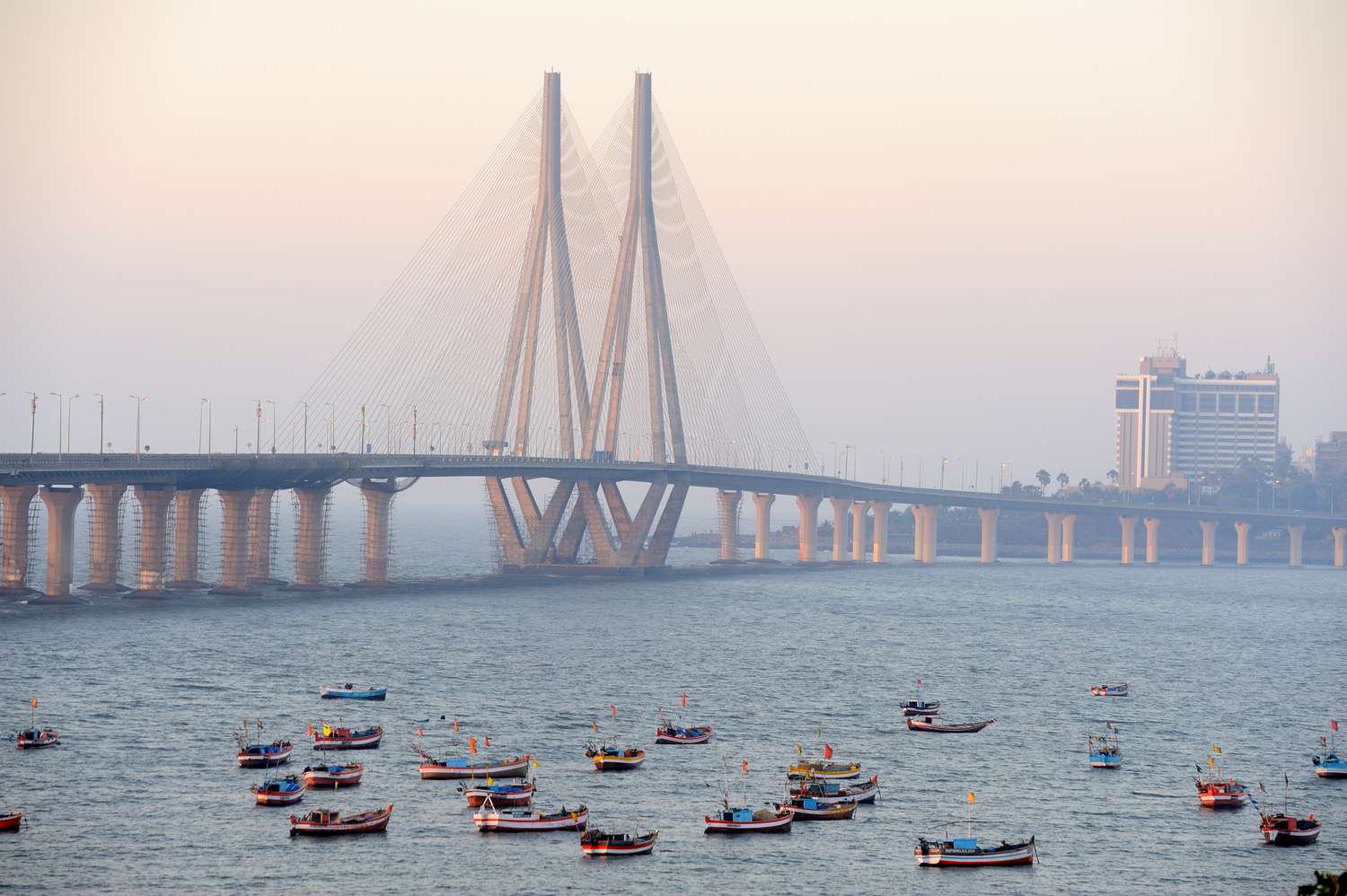
The state government is launching a dedicated water taxi network across the Mumbai Metropolitan Region (MMR).
The initiative, led jointly by the Maharashtra Maritime Board (MMB) and the Maharashtra Fisheries Development Department, proposes 15 jetties and eight high-frequency routes as part of phase one, with the aim to deliver sustainable, time-saving transport options to some of the region’s most congested corridors. Backed by technical expertise from the Kochi Water Metro project, the blueprint leverages Mumbai’s neglected waterways to address growing traffic gridlocks. Travel times between key locations like South Mumbai and Vasai, currently over two hours by road, could be slashed to under 50 minutes on water. The same holds for longer east-west routes, such as Kalyan to Vasai, potentially reducing journeys to a third of their usual duration.
The project is being structured as a 50:50 joint venture with the Central Government, with the first phase targeting completion within two years. A private transport infrastructure consultant has already completed the feasibility study, and implementation is now under way. The MMB has confirmed that phase one will include 15 out of 21 planned jetties, strategically distributed across Mumbai, Thane, Palghar, and Raigad. Among the most promising routes are Nariman Point to Borivali, Mira-Bhayander to Vasai, and Kalyan to Gateway of India via Airoli and Vashi—serving both commuters and intra-city travellers. These routes are designed not only to enhance efficiency but also to minimise emissions, supporting Mumbai’s goal of becoming a more climate-resilient metropolis.
The move has drawn praise from environmental planners and urban transport analysts, who have long argued that Mumbai’s underutilised creeks and coastlines hold untapped potential for low-carbon mobility. As the city battles worsening air quality and mounting vehicular congestion, integrating marine transit offers a cleaner, quieter alternative to traditional roadways. In addition to passenger services, phase two of the initiative will introduce Ro-Ro (roll-on/roll-off) ferries and dedicated water ambulances—both critical in reducing pressure on emergency land transit and enhancing last-mile accessibility in coastal communities.
By harnessing natural waterways, the water taxi system promises to be a game-changer in advancing gender-equitable, accessible, and inclusive transport. With shorter travel times, safer transit environments, and reduced dependency on fossil fuels, the project mirrors global best practices in cities like Venice, Bangkok, and Istanbul. Ultimately, the water taxi initiative exemplifies how India’s megacities can repurpose legacy infrastructure to meet modern sustainability benchmarks. As implementation gains momentum, all eyes will be on Mumbai to see whether this coastal mobility experiment can set a national precedent for smart, climate-forward urban planning.
Also Read: https://urbanacres.in/noida-leads-eco-cargo-surge-on-waterways/
Mumbai Bets Big on Water Transport
