


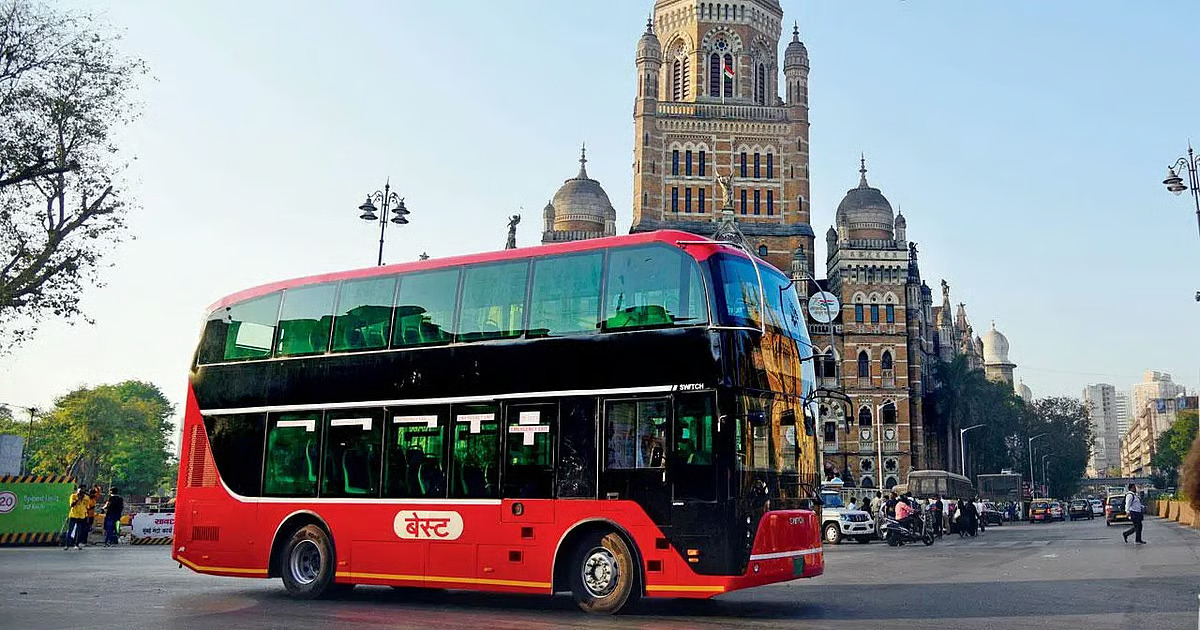
Mumbai’s public bus network is facing a delicate balancing act as the city’s largest transport undertaking records higher daily earnings but witnesses a steep drop in passenger numbers and a shrinking fleet. Following a fare hike introduced in May, the Brihanmumbai Electric Supply and Transport (BEST) undertaking has seen daily ticket revenue surge by nearly ₹1 crore, yet commuter footfall has fallen by almost 22%, raising concerns about accessibility and long-term sustainability.
Data from transport authorities indicate that daily ridership has plunged from 32 lakh before the fare increase to 25 lakh in August. The minimum non-AC fare doubled from ₹5 to ₹10, while the minimum AC fare rose from ₹6 to ₹12. With share auto rickshaw fares starting at ₹10, many short-distance passengers have shifted to faster and more frequent options. Commuter groups say the lack of timely services—sometimes with waits of up to 40 minutes—has accelerated the shift. The fleet strength has also suffered a significant blow. From over 3,500 buses in 2019, the total has fallen to 2,680 today, including just 419 buses owned by BEST and 2,269 procured through wet leases. The decline stems from delays in delivery of new electric AC buses as part of large-scale procurement contracts, combined with the phasing out of ageing diesel buses that have crossed the 15-year operational limit.
Transport analysts caution that the mismatch between demand and available services risks deepening the dependency on private modes of travel, undermining Mumbai’s climate goals. They note that while the introduction of electric buses is crucial for cutting emissions, the transition must not come at the cost of service frequency and affordability. Public transport advocates argue that fare rationalisation, combined with fleet expansion, could reverse the exodus of passengers. They also highlight the need for staff training to improve commuter experience, as complaints of rude behaviour, rash driving, and sudden braking have risen in recent months. Officials maintain that operational reforms, route restructuring, and faster induction of new buses are in progress to meet service gaps.
With Mumbai’s daily commuter base exceeding 60 lakh across all modes, the future of BEST’s network remains central to the city’s mobility framework. The challenge now lies in ensuring that revenue gains do not come at the expense of accessibility, equity, and the city’s commitment to sustainable transport.
Also Read: Mumbai Bicycle Tracks In BKC To Be Removed For Expanding Vehicle Road Space
