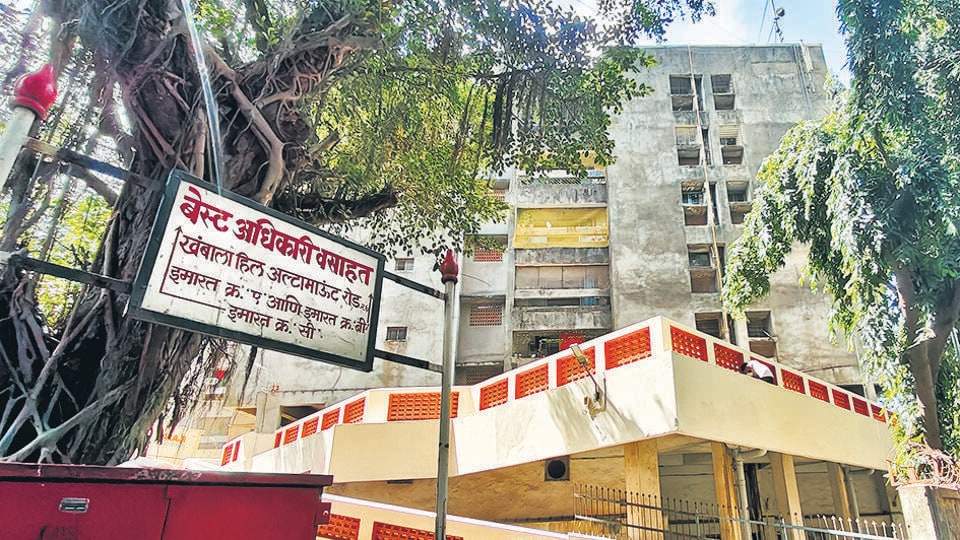
Mumbai’s civic administration has initiated a formal process to unlock the commercial value of a high-value public land parcel in Walkeshwar, signalling a broader shift in how transport-linked assets are being leveraged to stabilise urban utilities. The move, led by the city’s transport undertaking with support from the municipal corporation, follows earlier steps taken at Altamount Road and reflects growing pressure to fund public services through land monetisation rather than fare increases.
At the centre of the proposal is a 2,475-square-metre plot in the Malabar Hill precinct, currently reserved for transport and electricity-related use. Civic records indicate that the municipal corporation has begun procedures to amend the land’s reservation to residential, following a formal request from the transport undertaking’s leadership and policy direction from the state’s urban development department. The amendment process was publicly notified shortly after the civic election code came into effect. Urban finance experts say the BEST land monetisation strategy highlights a structural dilemma facing city-run utilities. With cumulative losses running into thousands of crores, transport agencies are increasingly dependent on non-fare revenue to sustain operations. Leasing underutilised or high-value land parcels has emerged as a preferred route, particularly in dense cities where land values far exceed the financial returns of legacy infrastructure.
The Walkeshwar site currently houses a power substation, a bus facility and staff housing for senior operational personnel. Located between heritage precincts and premium residential zones, the plot’s redevelopment potential is significant. Officials familiar with the plan indicate that a long-term lease could generate several hundred crore rupees, contributing to debt reduction and operational support without outright asset sale. However, the move raises wider urban planning questions. Civil society groups have consistently argued that repurposing transport land for residential or commercial use must be aligned with long-term mobility and service delivery goals. Urban planners caution that while land value capture is a legitimate financing tool, it should not compromise depot capacity, workforce housing or future transport expansion—especially as cities aim for lower-carbon, public transport-led growth.
The Walkeshwar proposal follows the earlier leasing of staff housing land at Altamount Road, where redevelopment rights were bundled into a long-term lease agreement with a private sector entity. That transaction, while financially attractive, intensified debate over transparency, public interest safeguards and the appropriate use of scarce civic land in premium neighbourhoods. From a real estate perspective, policy clarity on land reservation changes is critical. Developers and institutional investors closely track such amendments, as they influence supply dynamics in tightly regulated zones like South Mumbai. Analysts note that predictable frameworks for BEST land monetisation could reduce disputes while ensuring public agencies capture a fair share of market value.
As Mumbai continues to balance fiscal stress, climate commitments and equitable access to mobility, decisions around public land will carry lasting consequences. The Walkeshwar amendment process now moves into a scrutiny phase, where citizen feedback, planning norms and financial objectives must converge. How the city manages that balance may well define the next chapter of urban asset governance in India’s financial capital.
Mumbai BEST Advances Walkeshwar Land Monetisation Plan