


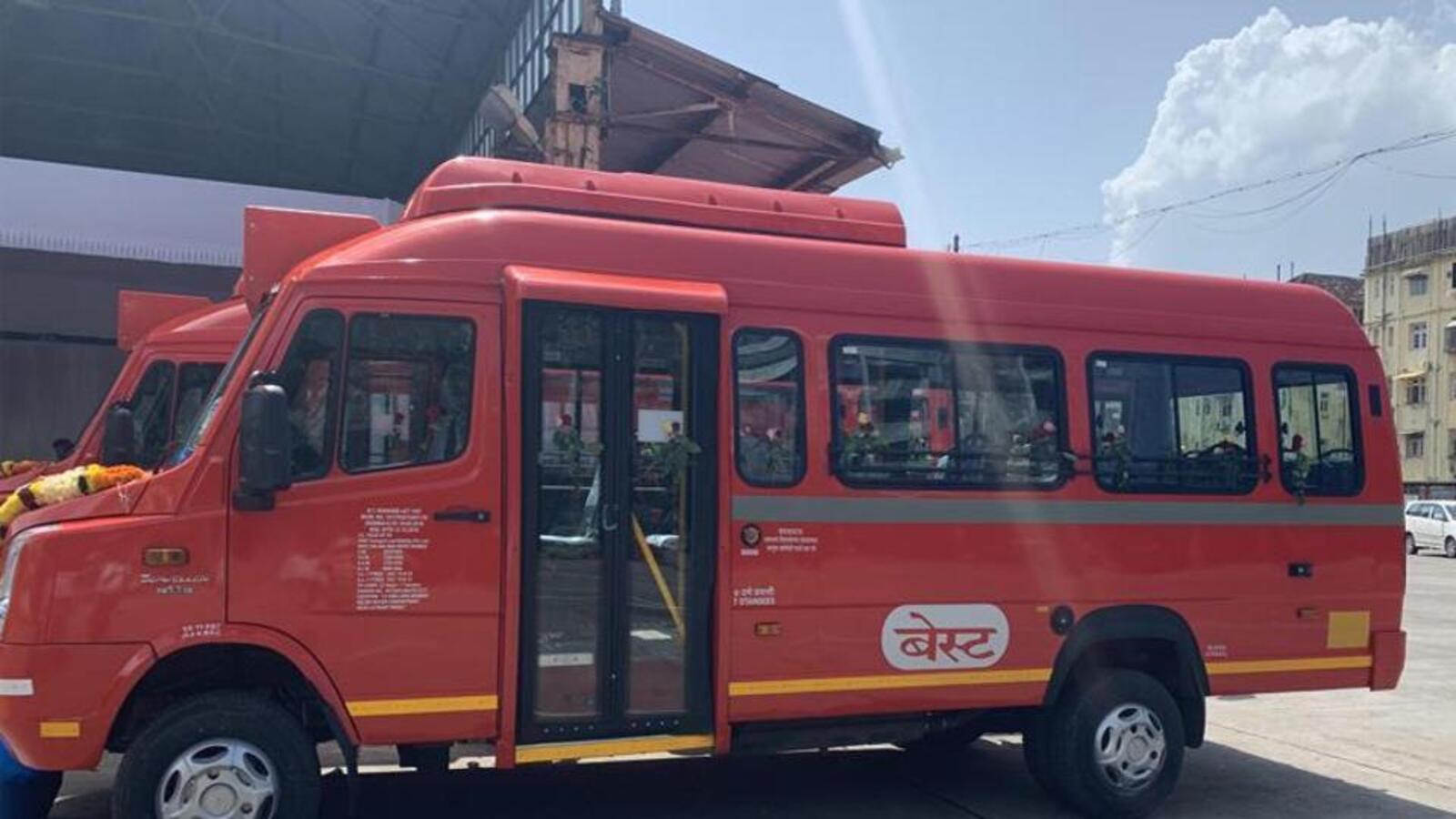
Twelve days after a tragic incident near Mumbra underscored the vulnerabilities of Mumbai’s overburdened suburban rail network, the Maharashtra government has taken a decisive step to advance long-delayed public transport reforms. A regional-level integration of municipal bus services across the Mumbai Metropolitan Region (MMR) is now in motion, aiming to deliver a seamless, efficient, and reliable commuter network for the wider urban agglomeration.
For the first time, authorities are undertaking a region-wide consolidation of bus routes operated by multiple municipal transport undertakings—BEST, TMT, NMMT, KDMT, and others—covering Greater Mumbai, Thane, Navi Mumbai, Mira-Bhayandar, Kalyan-Dombivli, Vasai-Virar, Ulhasnagar, and Ambernath. A special committee has been formed, comprising senior officials from each local body, with a mandate to create a unified operational blueprint that reduces route duplication, improves service frequency, and enhances inter-city connectivity.
The initiative is being spearheaded by the Brihanmumbai Electricity Supply and Transport (BEST) Undertaking, which is coordinating efforts to identify overlaps and inefficiencies in the existing system. The committee, which held its second round of discussions on Friday, is mapping inter-city bus routes, fleet capacities, and schedules in a bid to introduce harmonised timetables and coordinated operations.According to officials, inefficiencies such as multiple buses running on the same corridor within minutes, followed by long gaps in service, are a result of siloed planning among agencies. In one notable example, BEST’s AC-700 route from Borivali to Thane shares a significant stretch with TMT’s Route 65-AC, leading to redundant deployment and inconsistent frequencies. The plan under development would allow these undertakings to synchronise services, minimising wait times and optimising fleet usage.
Beyond route optimisation, the committee is exploring the sharing of critical infrastructure such as depots, bus terminals near railway stations, electric charging facilities, and CNG refuelling stations. A region-wide fare rationalisation proposal is also on the table, aimed at eliminating pricing disparities between different undertakings, especially for inter-city commuters who currently face variable fares for similar distances.
Transport experts have long advocated for such integration, arguing that a unified bus system is vital for managing demand across metro corridors and suburban railway networks. The push for metro expansion, though important, has often overshadowed the equally crucial role that surface transport plays in ensuring last-mile connectivity and mobility equity. A strong bus backbone is especially relevant in a post-pandemic context, where flexibility and distributed transit options are becoming essential for resilient urban mobility.
The move towards an integrated bus network is expected to not only ease crowding on trains but also support modal shift towards public transport, thereby aligning with broader goals of reducing emissions, congestion, and the city’s carbon footprint. Experts believe that a well-designed, frequent, and predictable bus service could significantly reduce the reliance on two-wheelers and auto-rickshaws for shorter commutes within the metropolitan region.While the plan is still in its initial phase, officials have confirmed that detailed route maps, frequency charts, and unified ticketing models are under preparation. Once the groundwork is finalised, a phased rollout will be implemented, with pilot corridors likely to be announced later this year.
In a region as vast and diverse as MMR, integrating bus services is not just a logistical challenge—it is a critical opportunity to shape a more equitable and environmentally sustainable urban transport future. If successfully executed, this initiative could become a template for other megacities facing similar mobility constraints.
Also Read : Nashik on Alert After Gangapur Dam Water Release
