


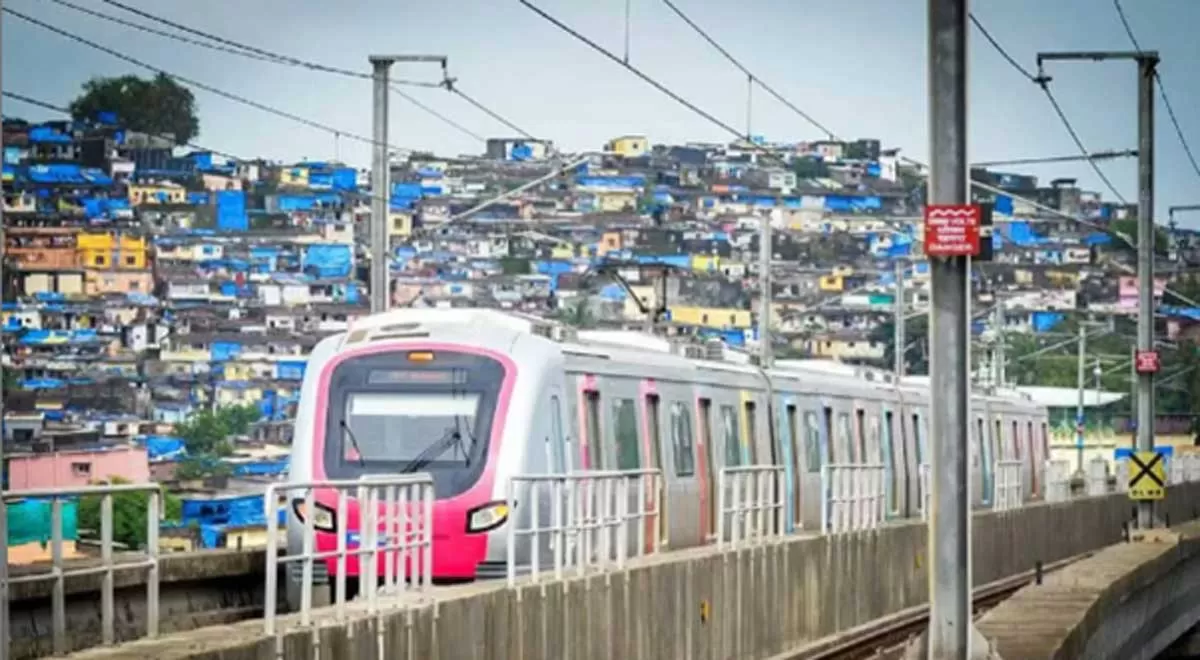
Mumbai has taken another step towards reshaping its urban mobility landscape as construction commenced on two new metro corridors, marking a decisive push towards greener and more inclusive public transport. The projects are expected to ease chronic congestion, provide cleaner alternatives to private vehicles, and integrate sustainability into the city’s long-term growth vision.
The new corridors, which form part of the wider metro expansion plan, are designed to strengthen last-mile connectivity and reduce travel times for daily commuters. Officials confirmed that these lines will help link dense residential clusters with emerging commercial hubs, reducing dependence on road transport that has long strained Mumbai’s air quality and road safety.Experts suggest that metro-based public transport is not only an economic imperative but also an environmental necessity for Mumbai. With the city grappling with rising vehicular pollution, high fuel costs, and erratic traffic, mass transit systems like the metro are being positioned as climate-resilient infrastructure that can power India’s march towards net-zero goals.
Also Watch: An Exclusive Interview with Sanjeev Jaiswal (IAS), CEO MHADA
The corridors are being planned with modern energy efficiency features, including regenerative braking systems and eco-conscious station design, while ensuring universal accessibility. Planners have highlighted that gender-neutral infrastructure, barrier-free access for senior citizens and differently-abled passengers, and sustainable construction practices will remain central to the new metro projects. Transport analysts point out that Mumbai’s metro expansion is not only about speed and capacity but about equity. By reducing travel stress and costs for low- and middle-income communities, the new corridors are expected to create a more inclusive transport network. They are also anticipated to encourage a modal shift away from cars and two-wheelers, which currently contribute significantly to traffic congestion and greenhouse gas emissions.
Officials have indicated that the two corridors will complement the existing metro lines already under construction, creating a web of seamless mobility across the city. Once operational, they are expected to serve millions of daily riders, saving working hours lost in traffic jams and enhancing productivity for both businesses and individuals.Mumbai’s urban planners see this as a step towards building a climate-smart megacity, where sustainable transport forms the backbone of economic and social growth. The metro expansion, therefore, is not merely a construction project but a commitment to reimagine the way the city moves – reducing carbon footprints while ensuring that the benefits of development are shared equitably.As work begins on these two new corridors, Mumbai positions itself as a frontrunner among Indian cities striving to balance rapid urbanisation with sustainable and inclusive mobility solutions.
