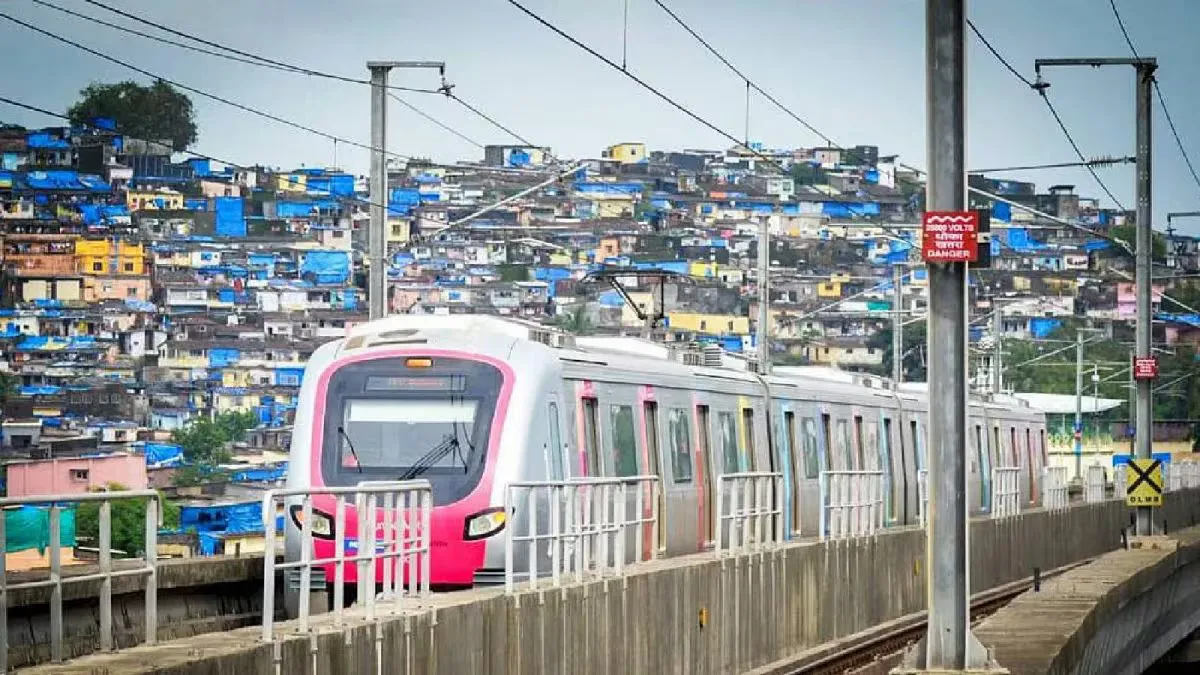
Mumbai Begins Metro Work On Bhayandar And Chembur Lines
Mumbai’s urban mobility drive has entered a crucial phase with work beginning on two new metro corridors, aimed at providing faster, cleaner, and more sustainable travel options for the city’s growing population. The Dahisar–Bhayandar and Mandala–Chembur routes, part of the city’s wider expansion plan, are expected to see their first phase operational by the end of this year.
Officials from the Mumbai Metropolitan Region Development Authority (MMRDA) confirmed that technicians are being recruited on two-year contracts to manage the electrical and mechanical maintenance of these lines. The authority has floated tenders worth ₹4.13 crore to hire specialised manpower, ensuring uninterrupted services once trains start rolling. Trial runs on both routes have already been completed, signalling that the city’s metro expansion is on schedule.
The Dahisar–Bhayandar line, part of Metro 9, will initially cover Dahisar East, Pandurangwadi, Miragaon and Kashigaon. Meanwhile, the Mandala–Chembur section of Metro 2B will serve Mandala Depot, Mankhurd, BSNL Telecom Factory, Shivaji Chowk and Diamond Garden in its first phase. Together, the two lines will bridge critical gaps in suburban connectivity, significantly easing road congestion in high-density residential belts. Transport planners argue that the metro expansion is more than an infrastructure upgrade; it is a strategic move to reduce Mumbai’s carbon footprint. With road transport contributing heavily to the city’s pollution load, shifting thousands of daily commuters to an electric-powered metro system aligns with India’s climate goals. Urban transport experts add that expanding public transit options also promotes equity by making safe, reliable, and affordable travel accessible across social groups.
At the policy level, authorities have set an ambitious target of opening nearly 50 km of new metro every year in the Mumbai Metropolitan Region. This pace, if sustained, could position Mumbai as a leading example of an Indian city transitioning towards eco-friendly mobility while tackling traffic congestion. In parallel, the state has approved the underground Metro-11 line from Wadala Depot to Gateway of India, a 16 km corridor projected to cost ₹24,000 crore. The project is expected to receive financing support from a Japanese agency, underlining the international interest in Mumbai’s transport transformation.
However, recent disruptions on the monorail have reminded officials of the need for resilience. After a power supply failure halted services earlier this week, tenders were floated to procure 64 high-capacity batteries to strengthen the backup system. The quick corrective step highlights a larger shift towards prioritising commuter safety and service reliability. For Mumbai, these new metro lines are more than just concrete and steel—they represent a shift towards sustainable, inclusive, and future-ready mobility. As the city’s population continues to swell, the success of these corridors could well define the blueprint for urban transport in the decades to come.