


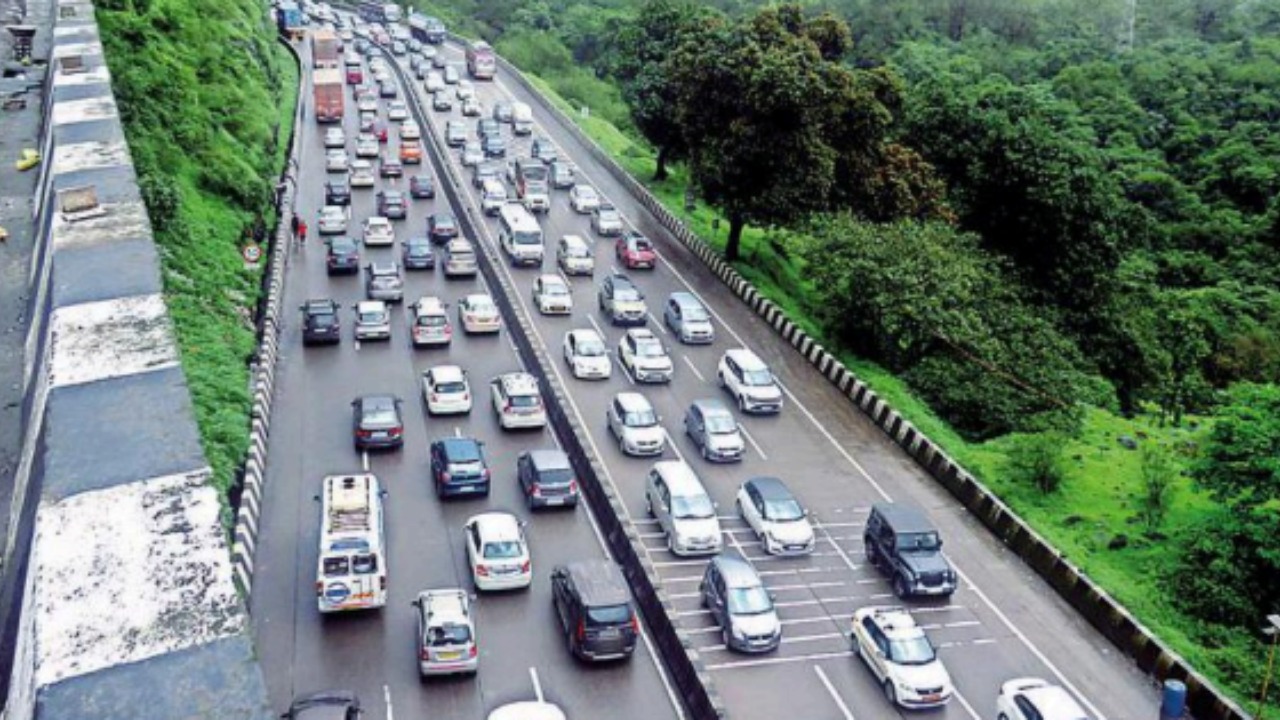
The Raigad district administration has enforced a complete ban on heavy vehicles along the old Mumbai–Pune highway, citing an alarming rise in fatal accidents on the Bhor Ghat stretch. The decision, effective from 19 August, comes after official data confirmed at least 18 accidents involving trucks and other large vehicles between 2021 and 2025.
Officials highlighted that heavy vehicle operators were increasingly using the old highway to avoid expressway tolls, leading to traffic congestion and frequent mishaps on the steep, curve-laden ghat section. Police authorities observed that the ban was crucial for preventing further loss of life and ensuring smoother vehicular movement. The old Mumbai–Pune road, once the primary link between the two cities, is notorious for its sharp turns, narrow lanes and accident history. The Bhor Ghat in particular has drawn repeated concerns from commuters and residents over safety lapses. Public frustration grew as road accidents continued to claim lives despite traffic advisories and monitoring.
Authorities have encouraged transporters and logistics operators to reroute via the Yashwantrao Chavan Expressway, designed to manage heavy commercial traffic more safely. The expressway, supported by ongoing infrastructure projects like the proposed missing link corridor, is expected to reduce congestion while offering a faster, more secure travel alternative. According to the district order, the move has been issued under Sections 115 and 116 of the Motor Vehicles Act, 1988, which empower local authorities to restrict vehicular movement in the interest of public safety and convenience. Police and transport departments are tasked with strict enforcement of the ban, and violators risk penalties and vehicle impoundment.
While safety campaigners and civic groups have welcomed the restriction, some logistics companies expressed concerns over higher operational costs due to mandatory expressway tolls. Officials, however, argue that safety cannot be compromised for economic convenience and stress that sustainable urban transport must balance commerce with commuter security. The administration’s decision also resonates with calls for eco-friendly and sustainable mobility in high-density corridors like Mumbai–Pune. Reduced congestion and safer traffic management are expected to cut down carbon emissions in the longer run, aligning with broader climate and road safety goals.
For now, Raigad officials insist that the ban will remain in force until accident numbers reduce significantly and safer transport solutions are implemented on the ghat section. The move marks a clear shift towards prioritising human lives over cost-saving traffic diversions.
Also Read : IMD Forecasts Light Showers Yellow Alert Issued As Rainfall Weakens Across Regions
