


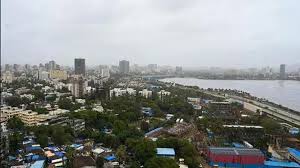
A six-decade-old residential building in Mumbai’s Bandra neighbourhood is set for redevelopment after a city-based real estate firm secured the mandate through a competitive tender process. The project, involving a small cooperative housing society, underscores the accelerating transformation of Mumbai’s ageing housing stock and the growing role of redevelopment in extending the life of established neighbourhoods.
The redevelopment concerns a low-rise residential structure housing just over a dozen apartments, many of which no longer meet present-day safety, structural, and living standards. Urban planners say such projects are becoming increasingly common across western suburbs like Bandra, where land scarcity, high property values, and ageing buildings intersect. Redevelopment allows cities to renew existing areas without expanding outward, an approach widely seen as more infrastructure-efficient and climate-resilient. According to property registration documents, the society selected the developer through a formal bidding process, following regulatory norms governing cooperative housing redevelopment in Maharashtra. A portion of the ownership within the society is held by entities linked to the selected developer, a structure that is not unusual in smaller buildings but often draws attention for its implications on consent dynamics and governance. Industry experts note that transparent tendering and documentation remain critical in such cases to maintain resident confidence. The existing apartments together account for under 9,000 square feet of carpet area under legacy housing regulations. Post-redevelopment, residents are slated to receive significantly larger homes measured under current regulatory standards, translating into a substantial increase in usable living space. This additional area is one of the key incentives that drive consent for redevelopment, particularly in buildings where frequent repairs have become financially unsustainable.
Beyond additional space, residents are expected to receive temporary accommodation support during construction, including monthly rent compensation and one-time relocation assistance. Such arrangements have become standard practice in Mumbai’s redevelopment ecosystem, reflecting the long construction timelines and the need to minimise disruption to households. From an urban economy perspective, redevelopment projects generate multiple layers of value. They inject fresh investment into mature neighbourhoods, create construction employment, and contribute to state revenues through stamp duty and registration charges. At the same time, they help upgrade building safety, energy systems, and accessibility features an increasingly important consideration as cities adapt to climate risks and ageing populations. Urban development specialists caution, however, that redevelopment must be balanced with infrastructure capacity. Increased density in older neighbourhoods places added pressure on roads, drainage, water supply, and social amenities. Coordinated planning between developers, civic authorities, and residents is essential to ensure that renewal does not outpace local infrastructure.
As Mumbai continues to rely on redevelopment to modernise its housing stock, projects like this Bandra initiative illustrate both the promise and the complexity of rebuilding the city from within. The next phase will test how effectively such projects align private incentives with broader goals of safe, inclusive, and sustainable urban living.
Also Read: Mumbai Mindspace Business Parks REIT Expands Office Portfolio
Mumbai Bandra Society Redevelopment Highlights Urban Transition
