


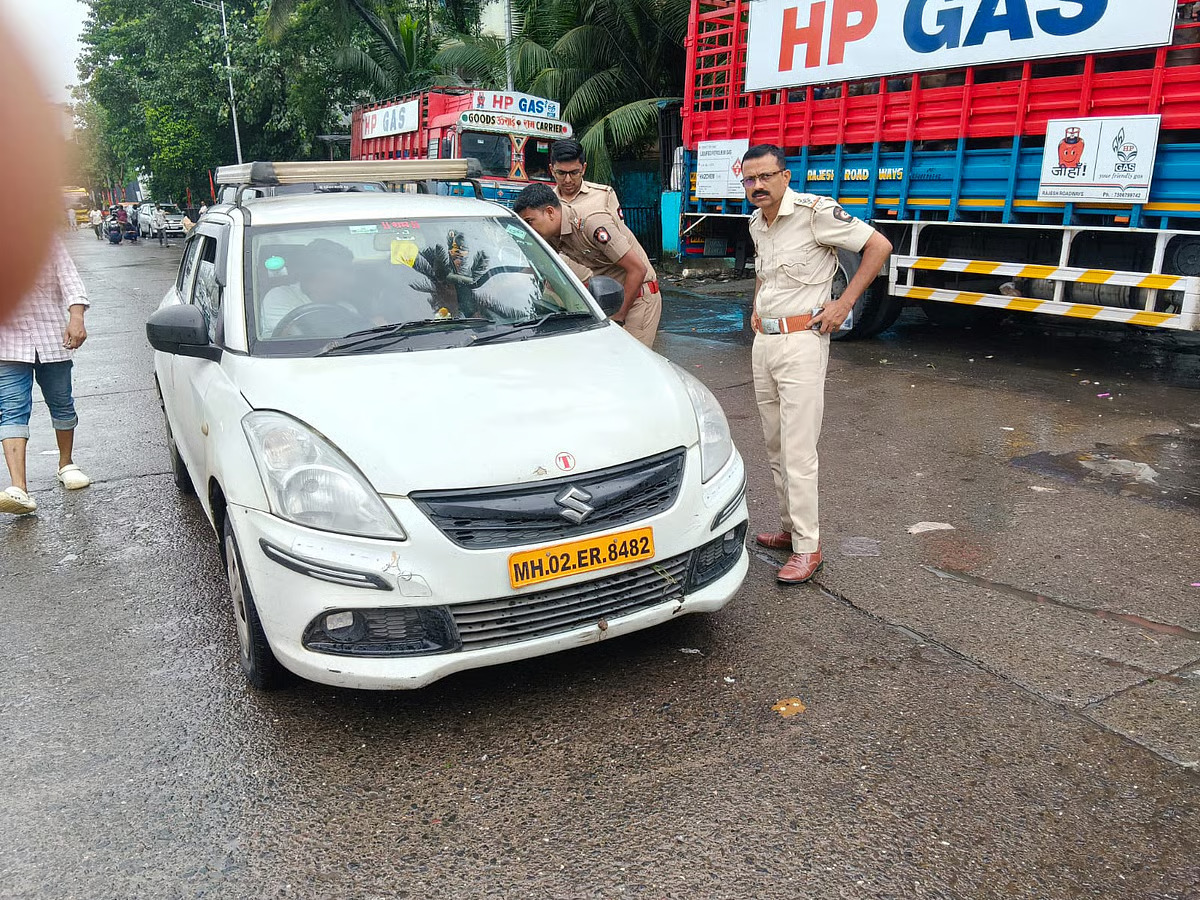
Mumbai authorities have taken decisive action against app-based cab operators following widespread complaints of excessive surge pricing during the recent heavy rainfall that paralysed large parts of the city. The intervention comes as part of a broader effort to protect commuters from exploitative fare practices during environmental disruptions, ensuring fair and equitable urban mobility.
Over the past week, severe monsoon showers left several city roads and suburban tracks flooded, disrupting traffic and halting local trains, the lifeline of Mumbai’s daily commuters. Amid the chaos, multiple complaints emerged that app-based taxi services were significantly hiking fares, with some journeys that normally cost around ₹200 surging to ₹600–₹800. In response, officials from the Maharashtra Transport Department, working in coordination with the Mumbai Police, conducted a comprehensive audit of app-based cab operators. Action was initiated against 147 services, of which 36 were found to have charged passengers exorbitantly, violating fair-trade and commuter protection norms. Authorities emphasised that such practices are unacceptable, especially during natural calamities, and underscored the importance of transparent pricing.
Transport regulators also involved cyber monitoring teams to track digital fare manipulation, ensuring accountability in dynamic pricing algorithms. Experts in urban mobility stressed that such interventions are crucial for sustainable and equitable public transport, particularly in cities prone to extreme weather events. “Urban mobility systems must balance market flexibility with consumer protection, especially during emergencies,” said an official overseeing regulatory compliance. The crackdown reinforces the need for ethical operational frameworks among ride-hailing services. Officials urged cab companies to adhere to strict pricing policies and integrate safeguards against arbitrary fare surges. Commuters are now expected to benefit from increased transparency, while authorities continue to monitor compliance closely.
Industry observers noted that the action also highlights the larger challenge of regulating digital transport platforms in India’s megacities. Ensuring that surge pricing is capped during emergencies protects vulnerable commuters and reinforces public trust in technology-driven transport solutions. This initiative aligns with Mumbai’s broader sustainability and equity agenda, promoting responsible corporate behaviour, resilient urban transport, and zero-exploitation policies during crises. Authorities have indicated that repeated violations could trigger heavier penalties, sending a clear message that commuter welfare remains a priority.
Also Read : Mumbai monorail delay raises questions on transport investment
