Mumbai’s suburban rail network is set for a overhaul following government approval of new railway lines between Badlapur and Karjat, alongside a major revamp of Ghatkopar station. These initiatives, part of a broader urban mobility strategy, aim to decongest existing routes and improve commuter experience across the Mumbai Metropolitan Region. Analysts suggest the projects could also stimulate regional economic activity and enhance sustainable city development.
The Cabinet Committee on Economic Affairs has sanctioned the 32-kilometre Badlapur-Karjat third and fourth line project, with a total investment of ₹1,324 crore, shared equally between Indian Railways and the Maharashtra government. An official noted that the new lines will not only increase track capacity but also enable dedicated corridors for suburban and long-distance trains, alleviating chronic congestion along the Mumbai-Pune-Solapur-Wadi-Chennai route.
Currently, the Kalyan-Badlapur third and fourth line project is reported to be 21% complete, with full commissioning expected by December 2026. The extension to Karjat marks a strategic expansion, connecting commuters to regional hubs while promoting efficient movement of people and goods. Urban planners emphasise that such brownfield projects are crucial for integrating sustainable transit solutions into existing infrastructure without large-scale land acquisition, reducing environmental and social impacts.
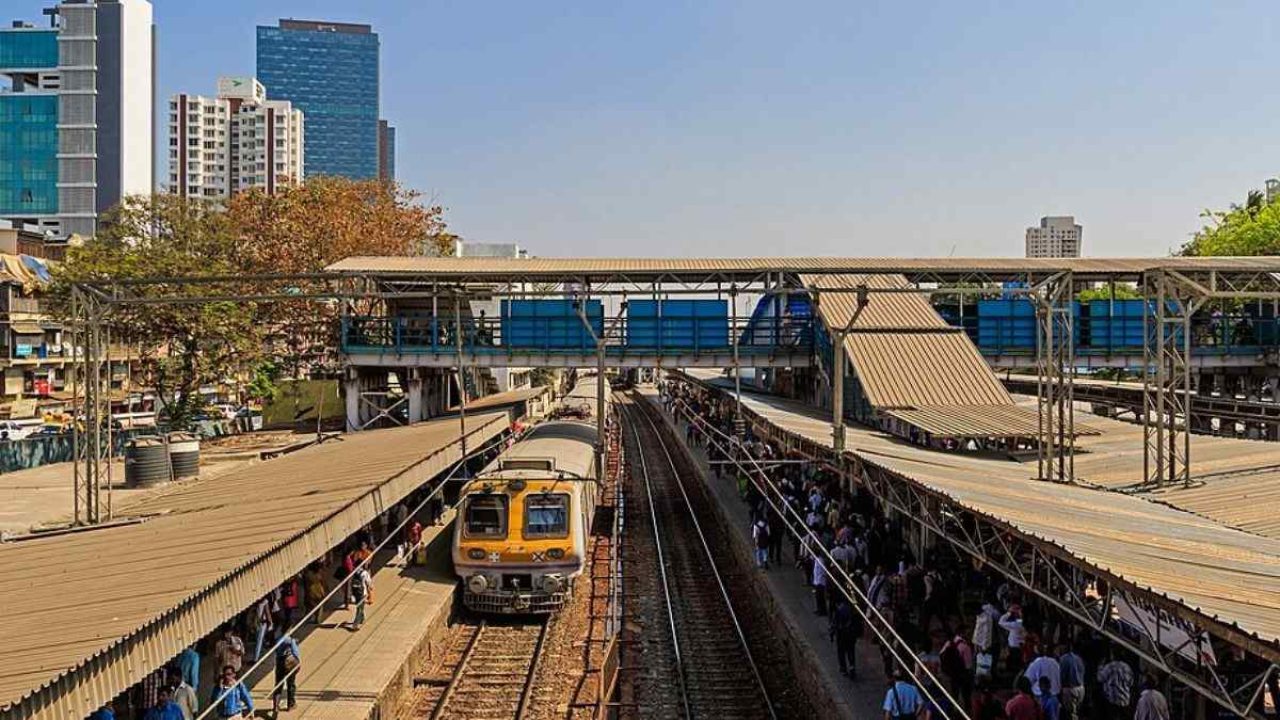
Parallel to this, Ghatkopar station is undergoing a comprehensive upgrade aimed at streamlining passenger flow. The project includes construction of a new elevated deck, two 12-metre-wide foot overbridges at north and south ends, and expanded commuter amenities. A senior official explained that these measures are designed to mirror the efficiency seen at Borivali and Andheri stations. Integrated with Mumbai Metro Line 1, Ghatkopar handles roughly four lakh daily passengers, making the upgrade essential for daily commuters and long-term urban mobility planning.Industry experts point out that such developments have broader socio-economic implications. Enhanced rail connectivity can drive residential and commercial real estate growth, reduce reliance on private vehicles, and contribute to lower carbon emissions, aligning with India’s sustainable city targets. Furthermore, improvements in station infrastructure foster equitable access, benefiting a diverse commuter base including women, senior citizens, and differently-abled passengers.As Mumbai continues to expand its suburban rail capabilities, these projects demonstrate the city’s commitment to building an inclusive, resilient, and environmentally conscious transit ecosystem that meets both present demand and future growth.
Mumbai Approves Rs 1324Cr Badlapur Karjat Lines Ghatkopar Station Upgrade Progresses