


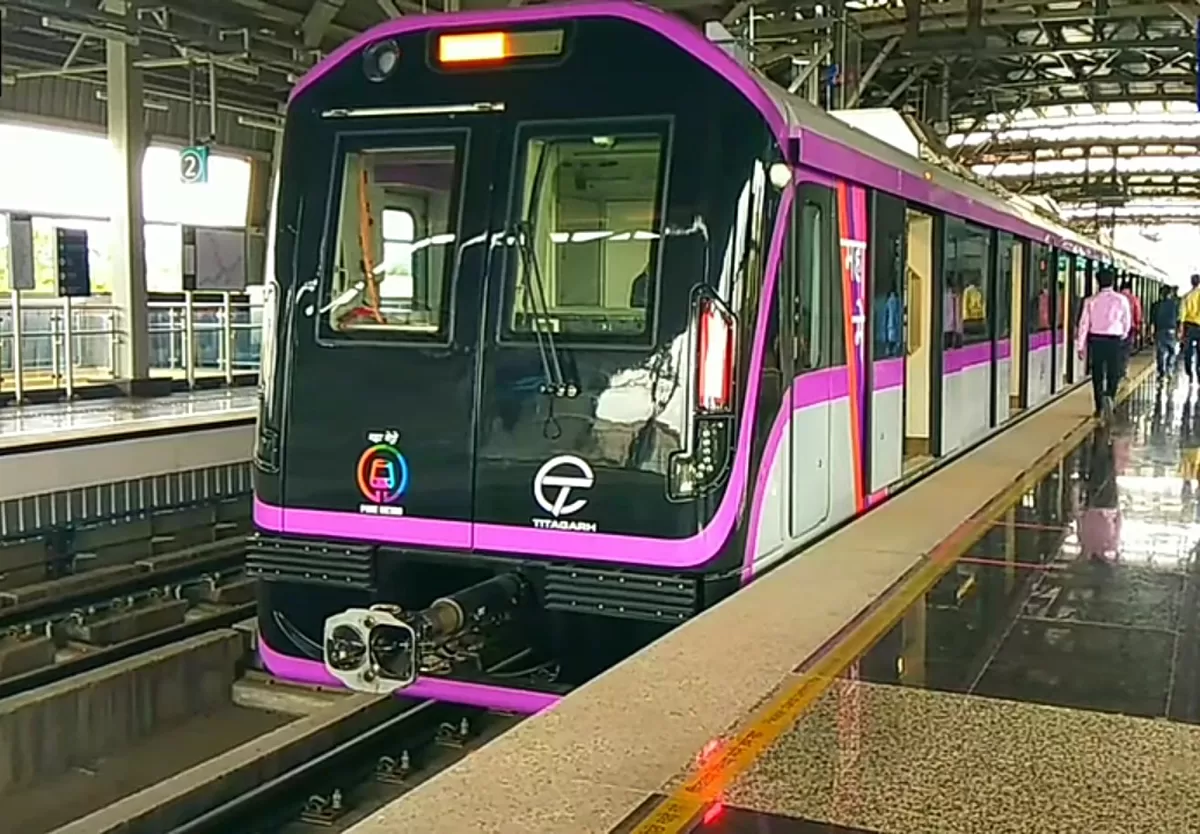
The Mumbai Metropolitan Region Development Authority (MMRDA) has sanctioned a substantial investment of over Rs 120 billion across 19 critical infrastructure projects, with a significant emphasis on enhancing last-mile connectivity for the burgeoning Metro network. This strategic financial injection is poised to revolutionise urban mobility across the Mumbai Metropolitan Region (MMR), accelerating Metro rollout and fostering smart transport systems.
The move underscores a profound commitment to improving the quality of life for citizens, driving economic activity, and advancing Maharashtra’s vision for a more connected, sustainable, and equitable urban future. This monumental allocation addresses a long-standing challenge in major urban transit systems: the “last-mile” gap. While extensive Metro corridors provide efficient rapid transit, the effectiveness of these networks is often limited by the ease with which commuters can access and depart from stations to their final destinations. By dedicating substantial resources to multi-modal integration, including a notable Rs 5.35 billion for Metro Line 4 and 4A alone, MMRDA is directly tackling this crucial aspect. This will involve developing seamless transitions between Metro stations and other modes of transport, such as feeder buses, pedestrian pathways, and potentially other innovative solutions, ensuring that the Metro becomes a truly comprehensive and accessible backbone of public transport.
The approved projects span various critical components of the Metro infrastructure. A significant Rs 47.88 billion contract has been awarded to Larsen & Toubro for integrated systems on Metro Line 4 (Wadala–Kasarvadavali) and 4A (Kasarvadavali–Gaimukh), encompassing rolling stock, signalling, and depot equipment, along with five years of maintenance. Furthermore, civil works for Metro Line 4A received a revised approval of Rs 5.57 billion, and L&T will also undertake Rs 1.88 billion in ballastless trackwork for the same line. Metro Line 6 (Swami Samarth Nagar–Vikhroli–EEH) also received substantial allocations, with contracts for power supply, E&M systems, rolling stock, and signalling systems. These investments are not merely about expanding lines but about creating a holistic, high-functioning transit ecosystem.
The emphasis on last-mile connectivity is a direct response to the evolving needs of Mumbai’s diverse population. Improved pedestrian infrastructure, streamlined feeder bus routes, and better integration with other local transport options will significantly enhance accessibility for all demographics, including women, senior citizens, and persons with disabilities. This focus on inclusive design is vital for creating truly gender-neutral public spaces and ensuring that urban development benefits every segment of society. By making public transport more convenient and reliable, the MMRDA aims to encourage a substantial shift away from private vehicles, thereby contributing to reduced traffic congestion, lower carbon emissions, and cleaner urban air – key pillars of a zero net carbon and eco-friendly city.
Beyond the immediate benefits to commuters, this investment is poised to stimulate significant economic activity. Large-scale infrastructure projects create direct employment opportunities in construction and related industries, while also fostering growth in ancillary services. Improved connectivity and reduced commuting times enhance productivity, making the MMR a more attractive destination for businesses and investments. This strategic advancement towards a “smarter, more connected Maharashtra” is expected to unlock new economic opportunities, contributing to the state’s overall prosperity and fostering a more robust and resilient urban economy.
The MMRDA’s vision, as articulated by Deputy Chief Minister and MMRDA Chairman Eknath Shinde, is to “advance toward a seamless, sustainable, and inclusive metro network and other infrastructure that will define the next era of urban mobility for the state.” Metropolitan Commissioner Sanjay Mukherjee further emphasised the goal of “delivering commuter-centric infrastructure that supports seamless, multimodal movement across the MMR.” This holistic approach, integrating various transport modes and focusing on user experience, is crucial for Mumbai’s journey towards becoming a truly sustainable and equitable global city. The investment signifies a profound commitment to not just building infrastructure, but building a better, more connected future for its citizens.
Also Read: Dehradun Tunnel No 8 Completion Boosts Rail Links Across Five Districts
