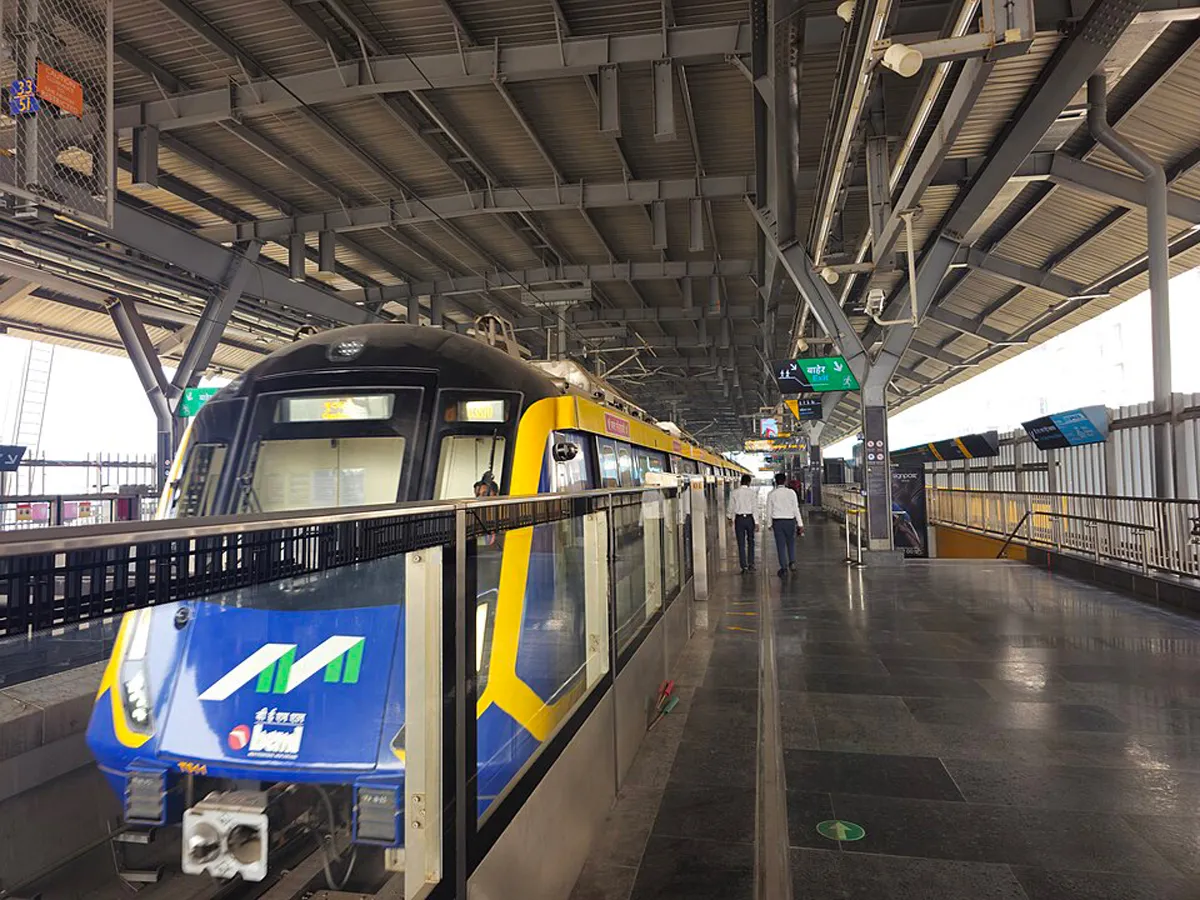
Mumbai Approves Metro Line 11 Project Costing Rs 23487 Crore
Mumbai has greenlit the ambitious Metro Line 11 project, a ₹23,487 crore initiative aimed at transforming urban mobility and reducing congestion between central and southern parts of the city. Stretching 17.5 kilometres from Anik Bus Depot in Wadala to SPM Circle near the Gateway of India, the line will feature 14 stations, 13 of which are underground, traversing densely populated commercial and residential hubs.
Officials from the urban development department confirmed that the project will integrate with Metro Line 4 at Wadala, establishing a crucial interchange and reinforcing the city’s commitment to an interconnected, eco-friendly transit network. The line is designed to enhance accessibility across key districts including Sewri, Byculla, Nagpada, Bhendi Bazaar, Crawford Market, CSMT, and Horniman Circle, with the potential to significantly reduce road traffic and vehicular emissions.
The financing model combines multiple contributions, reflecting a collaborative approach among state, central, and local authorities. The state and central governments will each contribute ₹3,137 crore, while the Brihanmumbai Municipal Corporation and Mumbai Port Authority will provide ₹2,411 crore and ₹804 crore respectively. Additionally, a ₹12,163 crore loan from financial institutions will cover 60% of the project cost, with interest-free subordinate debt supporting half of the government contributions. Officials noted that in case of cost overruns, additional funding can be sourced through floor space index (FSI) revenue, transit-oriented development initiatives, or institutional loans.
Fares have been set between ₹10 and ₹70, incrementing by ₹10 every three stations. The fare structure will be periodically reviewed by the fare fixation committee, ensuring affordability while supporting operational sustainability.Urban planning experts emphasised that Metro Line 11 is being treated as a strategic urban transport project. A high-power committee led by the chief secretary will oversee its implementation, ensuring alignment with broader city planning goals. The project also enables additional FSI within 500 metres of the line, allowing the collection of revenue that can fund urban development while promoting compact, transit-oriented growth.
City planners highlight that the extension to the Gateway of India, rather than the previously planned CSMT terminus, not only strengthens connectivity for residents and tourists but also positions the metro as a backbone for Mumbai’s sustainable transport future. By integrating gender-neutral design, accessibility features, and low-carbon construction practices, the project seeks to set new benchmarks for equitable, eco-friendly urban mobility in India.With its blend of strategic planning, financial prudence, and sustainable design, Metro Line 11 is expected to become a transformative corridor for Mumbai, reinforcing the city’s shift towards a greener, more connected urban future.