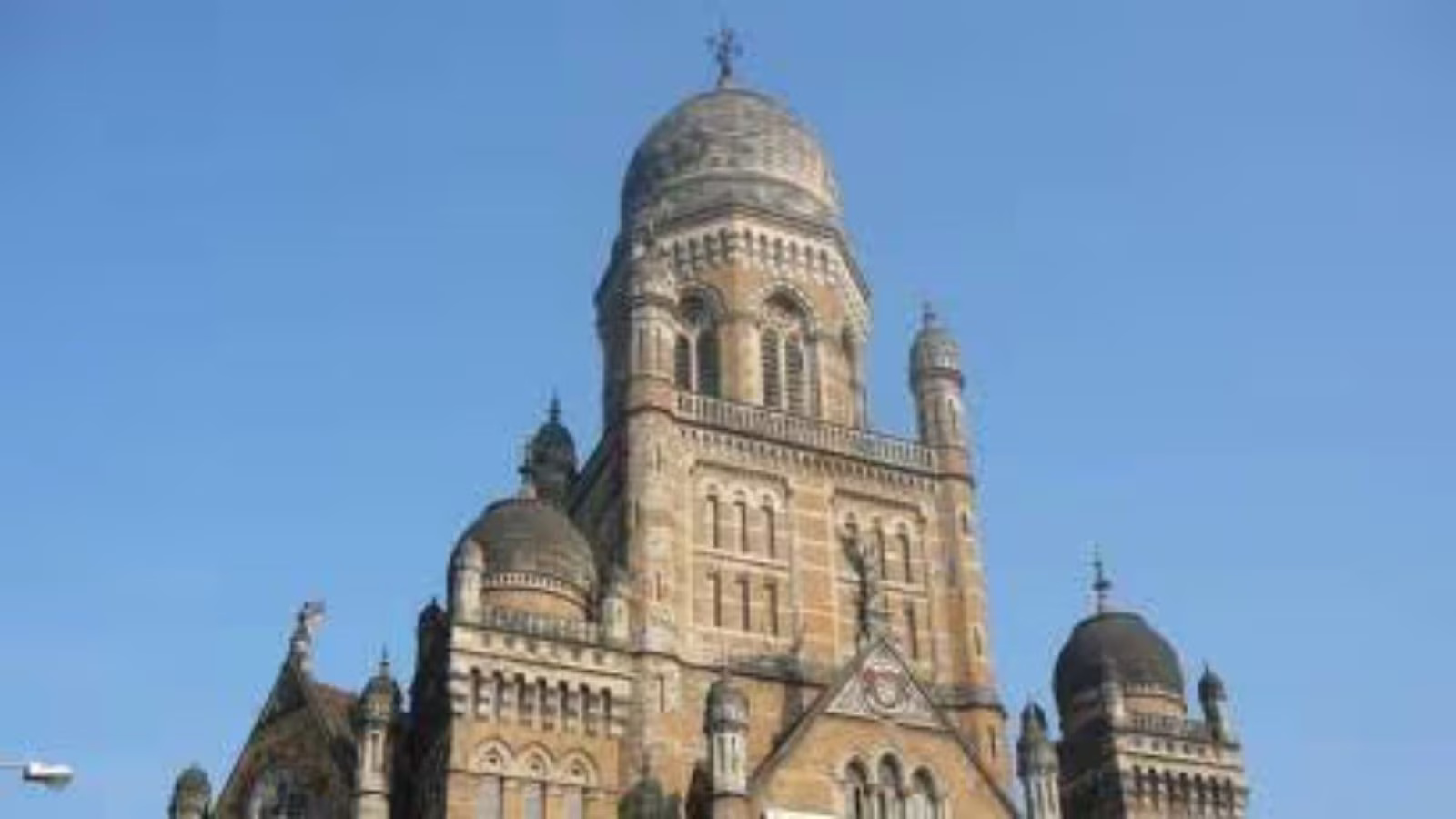
Mumbai is moving ahead with plans to complete a missing stretch of the new Coastal Road promenade, with the civic authority preparing to build a 325-metre link between Lotus Jetty and the Baroda Palace building in Worli. The Brihanmumbai Municipal Corporation (BMC) has approved the work at an estimated cost of ₹9.64 crore, aiming to ensure uninterrupted public access along the city’s newest waterfront space.
The upcoming structure will close a key gap within the 7.5-kilometre promenade, parts of which opened to citizens on August 15. The first phase included a 5.5-kilometre section between Priyadarshini Park and Haji Ali Juice Centre, as well as the promenade between Poonam Chambers and the bowstring arch bridge at Worli. Civic officials said the final connector at Worli is essential to maintain continuity and deliver the “Marine Drive-style” experience promised under the ambitious Coastal Road project. According to senior officials, the link will sit on reclaimed land created during the construction of the Coastal Road. Of the total 111 hectares reclaimed, around 70 hectares have been reserved for public use, including green spaces, seating zones, fitness areas and the promenade itself. Urban planners say the decision to prioritise open spaces is significant for a city with extremely limited coastline access and one of the lowest per-capita open space ratios among global megacities.
The upcoming promenade link is expected to be designed with pedestrian-friendly and inclusive features, ensuring barrier-free access for senior citizens, children and persons with disabilities. An official involved in the planning noted that the project aims to “create an accessible, continuous and safe waterfront that supports walking, social activity and equitable public use”. The corporation is also studying opportunities to incorporate more shaded zones, soft landscaping and climate-responsive materials to reduce heat impact along the walkway. Residents in the nearby Worli and Haji Ali areas have welcomed the move, noting that disconnected stretches discourage walking and prevent the promenade from becoming a reliable mobility alternative for short urban trips. Urban mobility experts say that continuous pedestrian corridors can help reduce short-distance vehicle use and support broader climate and air-quality goals for the city.
The BMC has stated that work on the new link will be taken up swiftly so that the entire promenade can be opened without gaps at the earliest. Once completed, the structure will allow residents to walk along a seamless coastal frontage, creating one of Mumbai’s longest uninterrupted public waterfronts in decades. City planners believe that integrating public access into large transport infrastructure projects is a crucial step towards building more liveable and sustainable coastal cities. As Mumbai continues to reimagine its shoreline, the success of the Coastal Road promenade will be closely watched as a benchmark for future open-space development across urban India.
Mumbai Approves Construction Of Promenade Link Connecting Lotus Jetty And Baroda Palace