


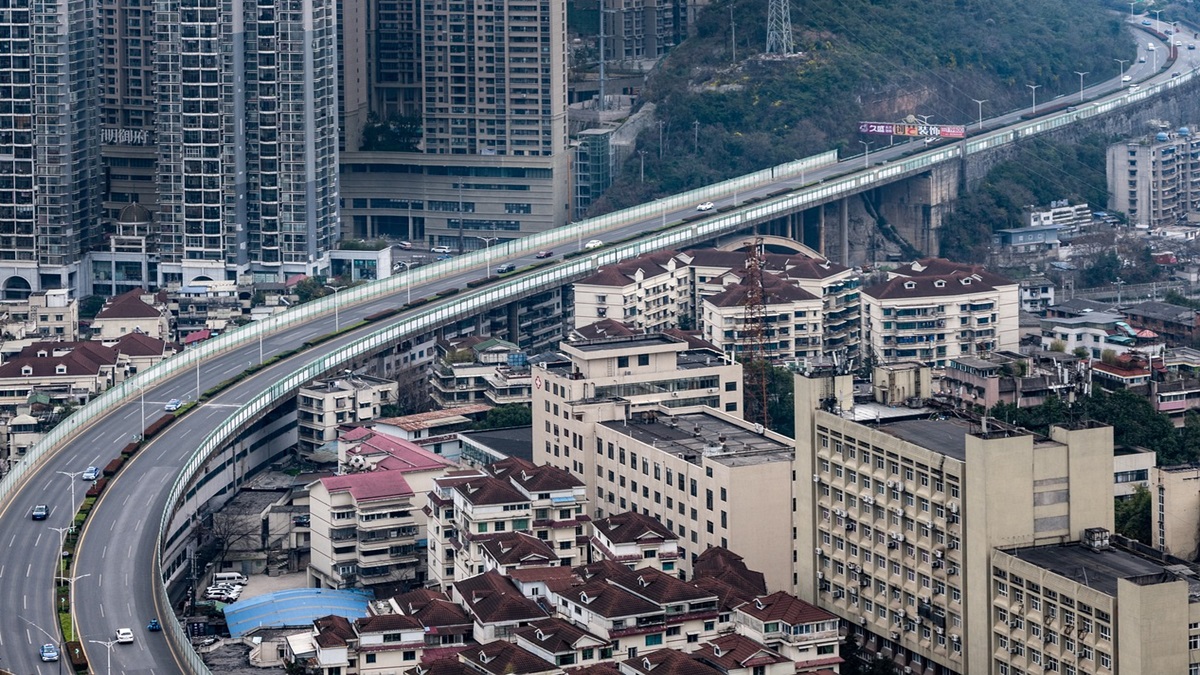
Maharashtra has taken a decisive step towards reshaping its urban mobility landscape, approving the construction of a 25-kilometre elevated corridor connecting Thane to the upcoming Navi Mumbai International Airport. Officials said the project, cleared by the state cabinet, is designed to provide seamless and time-efficient access between the rapidly growing suburban region and the new aviation hub.
The elevated road is expected to significantly cut travel time while easing congestion on existing highways. Experts believe the project could emerge as a game-changer for commuters and businesses, providing a direct and less-polluting alternative to current road networks. With aviation-driven development projected to attract investment and employment in Navi Mumbai, the corridor is expected to unlock fresh opportunities for regional growth. The elevated road approval was part of a wider package of infrastructure projects, signalling Maharashtra’s intent to modernise its transport grid. Among the most ambitious of these is Metro Line 11, a 16-kilometre underground metro stretch from Wadala Depot to Gateway of India. Estimated at ₹24,000 crore, the project will receive international funding support and serve vital heritage and financial districts. Transport experts highlight that the underground line will not only decongest central corridors but also encourage commuters to opt for mass transit over private vehicles, aligning with sustainable mobility goals.
Also Watch: An Exclusive Interview with Sanjeev Jaiswal (IAS), CEO MHADA
Railway connectivity is also receiving a boost, with the state greenlighting additional lines along the Pune-Lonavala route. This corridor, often plagued by congestion, is critical for daily commuters and intercity travellers. Enhancing rail capacity is likely to reduce dependency on road transport, cutting vehicular emissions and contributing to the state’s net zero ambitions. Beyond transport, the government has cleared urban development initiatives, including a new township and ring road in Nagpur. Pune Metro Phase 1 is also set for expansion, with new stations at Balajinagar, Bibwewadi, Swargate and Katraj. These approvals are expected to expand affordable housing options, improve last-mile connectivity, and ensure more equitable access to urban opportunities. Urban planners note that while the infrastructure pipeline represents a leap forward, the challenge lies in balancing rapid development with sustainability. Elevated corridors and metro networks can transform commutes, but the state must also prioritise low-carbon technologies, equitable access, and urban resilience.For Maharashtra, these approvals mark more than just physical expansion. They reflect a shift towards integrated planning, where roads, railways and metros are not standalone assets but part of a wider vision for inclusive, eco-friendly and future-ready cities.
