


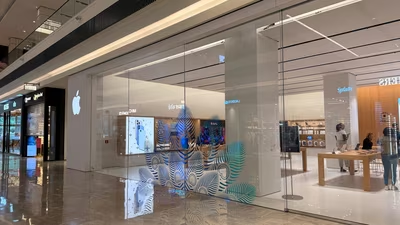
Apple is set to deepen its Mumbai footprint with a new retail outlet in Borivali, leasing over 12,600 sq ft at Sky City Mall under a long-term commercial agreement valued at Rs 2 crore annually. The store, scheduled to open later this month, marks the company’s second location in the city and reflects sustained confidence in Mumbai’s suburban retail corridors.
Lease documents reviewed by Urban Acres show that Apple India has secured space on the ground floor of Sky City Mall for a tenure of nearly 11 years. The agreement began in May 2025 and includes a 15 per cent rental escalation every three years, alongside a revenue-sharing clause that links part of the payout to store performance. The annual rent of Rs 2 crore translates to a monthly outgo of approximately Rs 17.35 lakh. A security deposit exceeding Rs 1 crore has been placed, and the lease carries a lock-in period of over a decade a signal of long-term commitment to the micro-market. The Mumbai Apple Borivali store adds to the brand’s growing national retail strategy. After launching its first Indian outlets in 2023, including Apple BKC, the company expanded into Bengaluru, Pune and Noida. Industry analysts view the Borivali move as a calibrated bet on high-density residential catchments in western suburbs, where improved metro connectivity and rising disposable incomes are reshaping consumption patterns. Commercial real estate consultants say ground-floor positioning in suburban malls ensures visibility and footfall, particularly in mixed-use developments serving both established neighbourhoods and emerging housing clusters. Borivali’s proximity to metro corridors and arterial roads strengthens its appeal as a retail hub.
The structure of the lease combining fixed rent with revenue sharing mirrors a broader shift in organised retail, where landlords and global brands increasingly share risk and upside. For mall operators, long lock-in periods offer income stability; for tenants, predictable escalations enable better long-term planning. Beyond retail metrics, such expansions influence urban economics. Large-format brand stores drive employment, boost ancillary spending and enhance the commercial viability of suburban centres, potentially reducing the need for residents to travel to South Mumbai or Bandra Kurla Complex for premium retail experiences. Urban planners note that as suburban commercial nodes mature, transport integration and pedestrian-friendly design become critical. High-footfall destinations must align with sustainable mobility goals, ensuring safe last-mile access and energy-efficient building operations.
With the Mumbai Apple Borivali store poised to open, the transaction underscores a continuing realignment of Mumbai’s retail geography one that balances premium branding with the realities of decentralised urban growth.
Also Read: Mumbai Abhishek Bachchan Apartment Sale Deal
Mumbai Apple Borivali Store Lease Deal
