


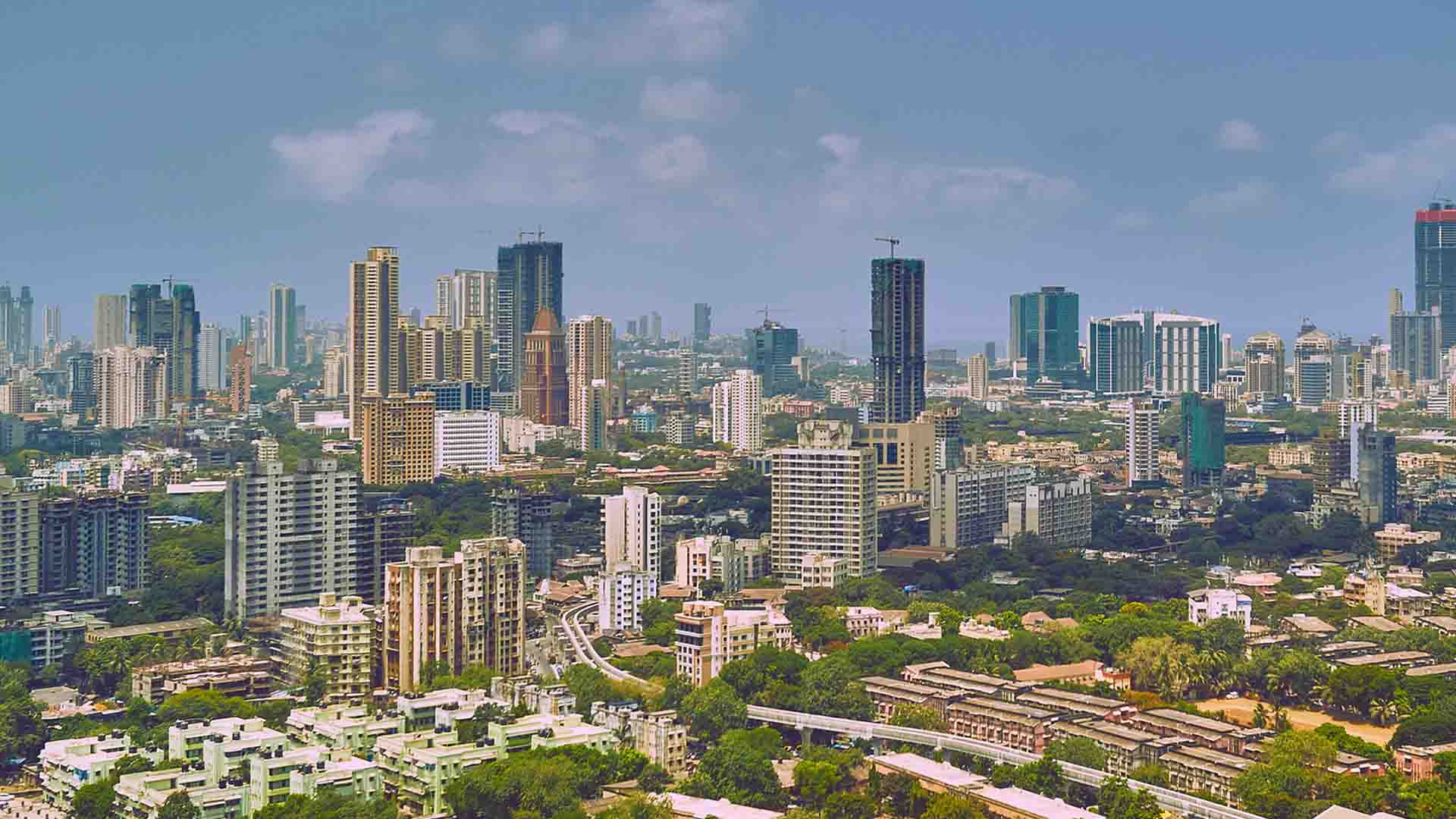
Mumbai’s tightly held eastern airport corridor is set for a significant real estate transformation following the acquisition of a two-acre greenfield land parcel in Andheri East by a listed luxury developer. The transaction, executed through a distressed asset route, unlocks a long-stalled site near the Mumbai International Airport and highlights renewed confidence in one of the city’s most infrastructure-rich yet supply-constrained micro-markets.
The Andheri East land acquisition involves a parcel located close to key arterial roads linking the airport, commercial hubs, and residential catchments. Urban market analysts estimate the site carries a gross development potential of around Rs 2,500 crore, placing it among the more valuable recent transactions in the airport influence zone. Proximity to major corridors such as the Andheri-Kurla Road, Sahar Road, and the Western Express Highway positions the land for high-density, transit-oriented development. What sets this deal apart is its resolution of long-standing legal and ownership complexities. The land had remained locked in disputes for over a decade, rendering it unviable for development despite its prime location. Over the past year and a half, the acquiring developer worked through multiple stakeholder claims to establish clear title, reflecting a growing trend of experienced players selectively targeting complicated assets that offer scale once resolved. Industry experts say such transactions are increasingly shaping Mumbai’s land market. With fresh, uncontested land parcels nearly impossible to find within city limits, developers are turning to distressed or encumbered sites where value can be unlocked through legal resolution rather than land aggregation alone. This strategy allows entry into high-demand zones without speculative bidding wars, while also helping the city recycle underutilised land.
The airport-adjacent Andheri East belt has seen rising demand from both residential and commercial occupiers, driven by its central location and improving connectivity. However, planners caution that development intensity in such areas must be balanced with infrastructure capacity, including traffic management, water supply, and energy use. Projects in airport zones are increasingly expected to adopt efficient building systems, noise mitigation measures, and low-carbon design to align with evolving urban sustainability norms. This acquisition is the developer’s third strategic addition in the current financial year, following earlier moves in peripheral suburbs and redevelopment-led housing projects. Analysts interpret this as a calibrated portfolio strategy combining core-city, high-value land with suburban and redevelopment opportunities to spread risk and execution timelines. From a broader urban perspective, the Andheri East land acquisition reflects how Mumbai’s growth is being shaped less by outward expansion and more by the unlocking of stalled or misaligned parcels within existing urban fabric. If planned responsibly, such developments can support compact city goals, reduce commute distances, and make better use of existing infrastructure networks.
As Mumbai continues to grapple with land scarcity and redevelopment complexity, deals like this may increasingly define how the city renews itself through resolution, consolidation, and more disciplined capital deployment rather than unchecked sprawl.
Also Read: Mumbai Region Land Acquisitions Outpace Other Cities
Mumbai Andheri East Land Acquisition Reshapes Airport Zone
