


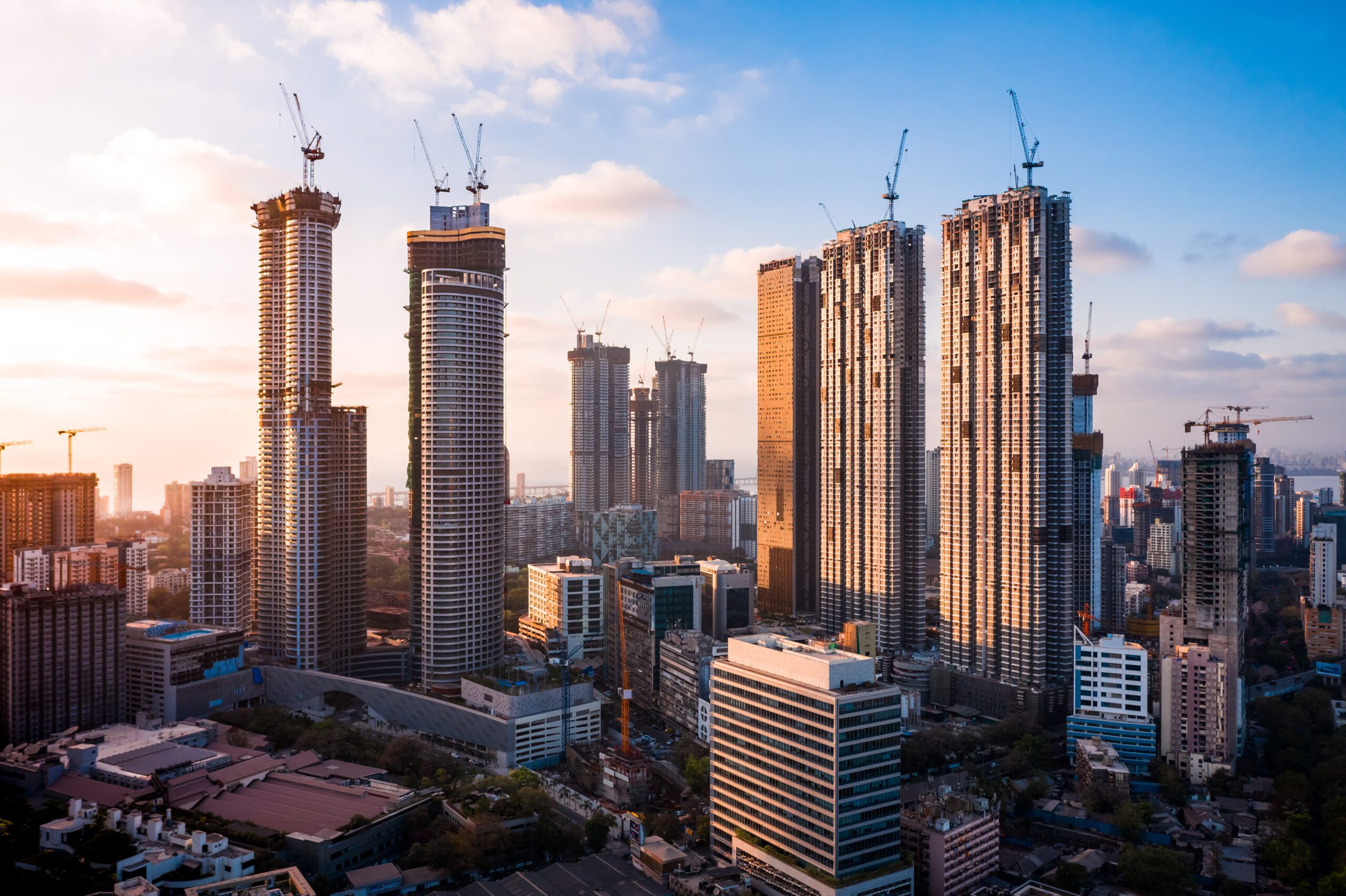
Redevelopment-led housing is emerging as a defining force in Mumbai’s next phase of urban growth, particularly across its dense western suburbs. In neighbourhoods such as Andheri East, where ageing residential stock dominates the landscape, redevelopment projects are increasingly being used to unlock land value, improve safety standards and deliver new homes without expanding the city’s footprint. Urban planners view this trend as critical for a land-scarce metropolis grappling with population pressure and climate risks.
Mumbai’s redevelopment pipeline has gained momentum as housing societies seek modern construction, better infrastructure and regulatory compliance. Developers focused on this segment are navigating complex consent processes, financing structures and phased construction, all while ensuring residents are rehoused with minimal disruption. Industry experts note that redevelopment has shifted from being a niche activity to a mainstream housing supply mechanism in established suburbs. Andheri East illustrates this transition clearly. Once characterised by low-rise buildings and industrial activity, the area has evolved into a high-demand residential and employment hub due to its proximity to business districts, the airport and major transport corridors. Redevelopment projects here typically replace decades-old structures with mid-rise residential buildings that meet current seismic, fire safety and sustainability norms. Such projects often introduce features like improved ventilation, energy-efficient lighting and better water management systems, aligning with the city’s long-term resilience goals.
Completed redevelopment projects in this micro-market indicate a preference for compact homes designed for end-users rather than speculative buyers. Analysts point out that demand remains strongest for one- and two-bedroom units, reflecting changing household sizes and affordability considerations. Improved connectivity through arterial roads and expanding metro networks has further strengthened the appeal of redeveloped housing in these inner suburbs, reducing travel times and dependency on private vehicles. Beyond location advantages, redevelopment plays an important social role. Existing residents typically receive upgraded homes without being displaced from familiar neighbourhoods, preserving community networks while improving living standards. Urban policy specialists argue that this model supports inclusive growth by modernising housing stock without pushing residents to peripheral areas, which often lack adequate infrastructure and services. However, redevelopment is not without challenges. Construction timelines, coordination with multiple stakeholders and rising input costs can strain project viability. Environmental experts also caution that redevelopment must go beyond cosmetic upgrades and incorporate climate-responsive design, waste reduction and energy efficiency to truly future-proof Mumbai’s housing.
Looking ahead, the redevelopment model is expected to expand deeper into Mumbai’s suburbs as regulatory frameworks mature and infrastructure investments improve accessibility. For the city, this approach offers a pathway to renew its housing fabric while limiting urban sprawl. The success of redevelopment-driven housing will ultimately depend on how effectively projects balance density with liveability, and private development with public urban priorities.
Also Read: Bengaluru Towers Raise Lifestyle Versus Access Debate
Mumbai Andheri East Fuels Redevelopment Housing Momentum
