


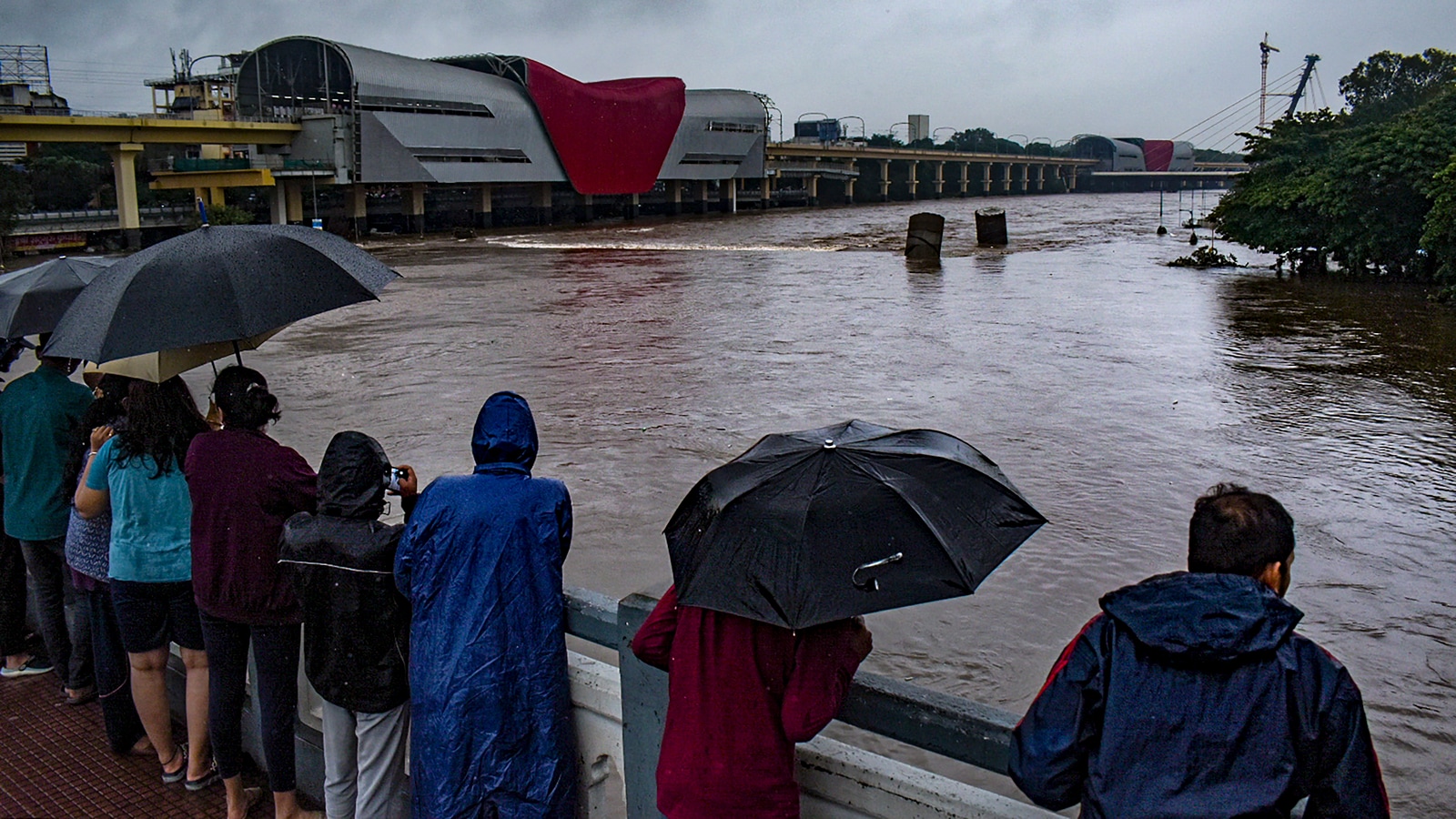
Mumbai and Pune are once again grappling with urban flooding, underscoring critical gaps in infrastructure and city planning. Rapid real estate growth in these cities has not been matched by timely upgrades to stormwater management and urban drainage systems, leaving residents vulnerable to waterlogging, traffic paralysis, and disruption of daily life. Experts warn that without coordinated action, these metropolitan areas risk long-term economic and environmental consequences.
The twin cities’ expansion has been remarkable over the past five years. Pune alone witnessed a 50 percent surge in new homes sold between 2019 and 2024, reflecting robust investment and population growth. Yet, urban flooding exposes the fragility of infrastructure. In Mumbai, the delayed Mithi River flood management plan—including interceptor drains, pumping stations, and floodgates—remains unfinished, while the city’s ageing stormwater system struggles to cope with seasonal rains. Low-lying districts often remain submerged for hours, causing economic and social disruption. In Pune, incomplete separation of sewage and stormwater drains and stalled flood protection walls along Ambil Odha and other city streams have left vulnerable areas exposed. Key projects, such as culvert construction in Hinjewadi IT Park, remain unfinished, resulting in frequent waterlogging even when rainfall is below average. Officials indicate that bureaucratic delays, complex approval processes, and jurisdictional overlaps continue to hinder rapid solutions.
Urban experts note that the challenge is not unique to these cities. Across Indian metros, infrastructure development frequently lags behind residential and commercial expansion. The consequences are evident: congested roads, unreliable water supply, overburdened electricity grids, and degraded waste management systems. Waterlogging exacerbates pollution, heightens public health risks, and reduces overall urban resilience. Officials advocate for a strategic pivot from planning to rapid execution. Agencies such as PMRDA, PCMC, and PMC must coordinate on building resilient roads, expanding public transportation, clearing storm drains, and upgrading sanitation facilities. Funding mechanisms, including public-private partnerships and municipal bonds, could accelerate investment in critical infrastructure. Additionally, protecting water bodies and expanding urban green spaces is essential to maintain ecological balance and mitigate flood risks.
The economic implications of delayed action are severe. Businesses face reduced productivity, commuting costs rise, and the environment suffers from prolonged exposure to waterlogging and waste overflow. Unequal access to water and sanitation further entrenches social disparities, while residents bear the brunt of systemic inefficiencies. Urban flooding in Mumbai and Pune should serve as a wake-up call. Addressing infrastructure gaps with urgency, leveraging sustainable planning, and enforcing coordinated governance is vital to safeguarding the future of these rapidly growing cities. Failure to act risks repeating historical patterns of unsustainable urbanisation seen in other Indian metros.
Also Read : Punjab Govt Announces Hundred Crore Infrastructure Push To Modernise Industrial Estates
