


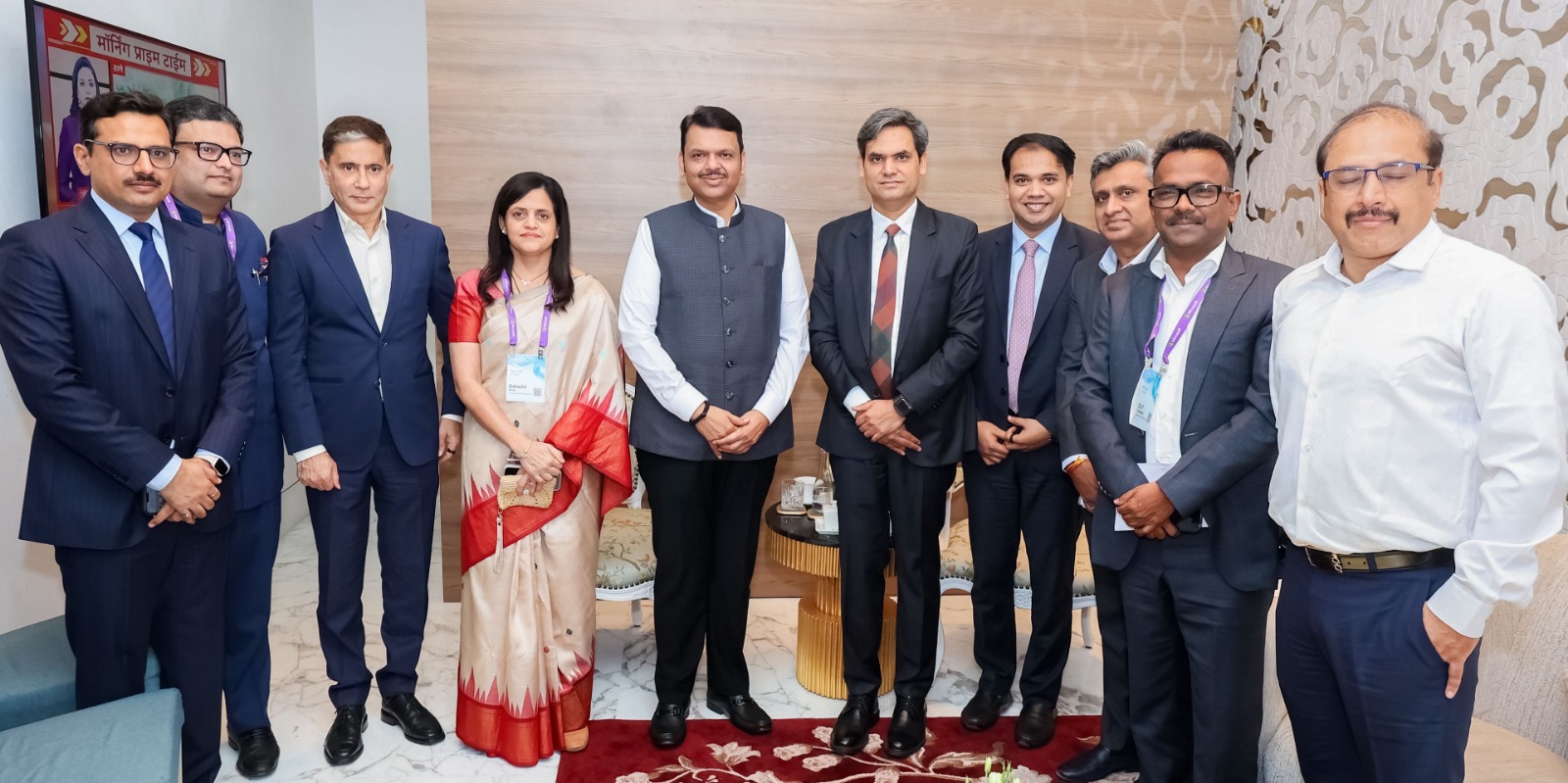
Mumbai is poised to strengthen its standing as a global business destination following the announcement of a large-scale Global Capability Centre development in Powai, marking one of the most significant commercial real estate investments in the city in recent years. A leading global alternative asset manager has entered into a strategic partnership with a veteran Indian infrastructure developer to deliver what is being positioned as Asia’s largest GCC campus, underscoring long-term confidence in India’s services economy and urban workforce.
The proposed development will rise on a six-acre parcel in Powai, one of Mumbai’s most established commercial and residential districts. With an estimated two million square feet of leasable office space, the campus is planned as a single-tenant facility for a multinational financial institution under a long-term lease structure extending over two decades. Industry experts note that such lease tenures reflect a shift towards stability-led commercial planning, particularly among global firms seeking continuity, regulatory certainty, and access to skilled talent. Construction is expected to be completed by 2029, with total investment projected to exceed USD 1 billion over the development cycle. Once operational, the Global Capability Center Mumbai campus is expected to support more than 30,000 direct jobs, primarily in technology, analytics, risk management, and back-office financial services. Urban economists point out that this scale of employment generation has wider multiplier effects, strengthening local housing demand, transit usage, and neighbourhood retail ecosystems. From an urban development perspective, the project is also being positioned as a benchmark for sustainable commercial infrastructure. According to officials associated with the project, the campus will operate entirely on renewable energy, with energy-efficient building systems designed to meet global environmental performance standards. As Mumbai grapples with climate risk and infrastructure stress, large developments adopting low-carbon operational models are increasingly seen as essential rather than optional.
The partnership brings together global capital with decades of domestic infrastructure execution experience. A senior executive associated with the Indian development partner said the collaboration reflects growing institutional trust in Indian-led urban delivery capabilities. “Global investors today are not just looking for scale, but for governance, sustainability, and long-term value creation,” the executive noted. Urban planners suggest that Powai’s selection reinforces a broader decentralisation of Mumbai’s commercial geography, easing pressure on traditional business districts while leveraging established social infrastructure. Improved transit connectivity and proximity to residential clusters make the area particularly suited to large employment hubs.
As India continues to position itself as a preferred destination for global capability centres, projects such as this signal a maturing urban economy one that balances investment-led growth with sustainability, employment equity, and long-term city resilience.
Also Read: Gurugram Redefines Luxury Housing Overtaking Mumbai In India’s Property Market
Mumbai Anchors Asias Largest GCC Through B S Sharma Brookfield Alliance
