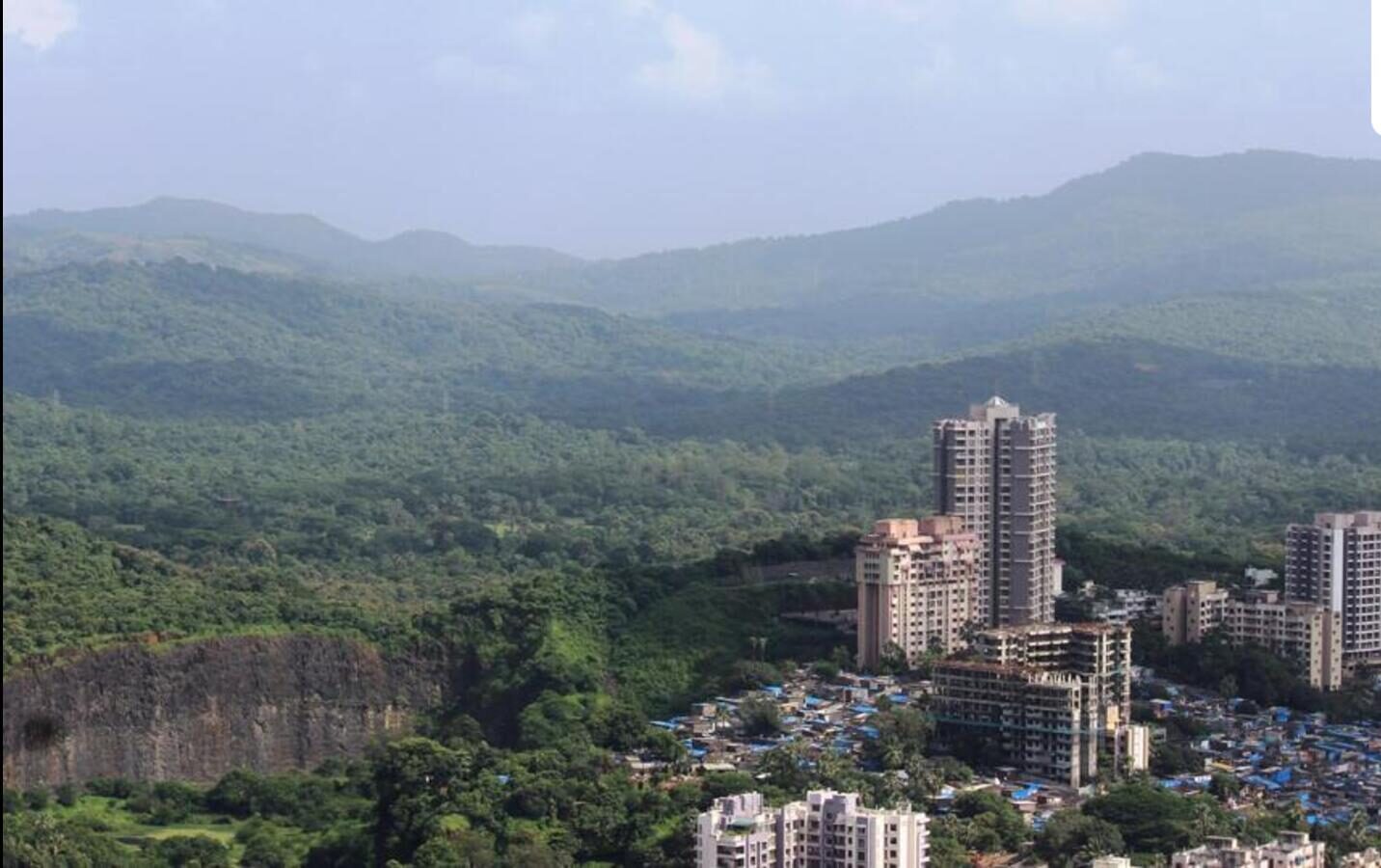
Mumbai has taken a historic step to rehabilitate residents living within and around the Sanjay Gandhi National Park (SGNP), opening up the city’s five-kilometre No Development Zone (NDZ) for the first time to accommodate tribals and long-standing encroachers.
The Maharashtra government recently amended its Development Control and Promotion Regulations (DCPR), 2034, under regulation 34(3.5)(ix), enabling redevelopment of NDZ land, previously restricted solely to Information Technology and IT-enabled Services. Officials said this move will also pave the way for broader rehabilitation initiatives across the city. Deputy Chief Minister confirmed that a 93-acre NDZ parcel has been earmarked for rehabilitation purposes. The new framework offers landowners three options: transfer land to the Brihanmumbai Municipal Corporation (BMC) in exchange for transferable development rights (TDR), partition land with portions allocated for rehabilitation and recreational open spaces (ROS), or develop their plots entirely under accommodation reservation provisions for affordable housing. Each tenement’s design and size will be coordinated by the forest and housing departments to ensure compliance with ecological safeguards.
Senior urban development officials emphasised the necessity of this measure. “Much of the green zone surrounding SGNP is constrained by eco-sensitive regulations, making NDZ land the only viable solution for large-scale rehabilitation,” an official noted. The scheme anticipates constructing 27,000 tenements to accommodate existing residents—approximately 2,000 tribal families and over 25,000 other encroachers—offering safer and more equitable living conditions. The policy incorporates clear procedural and temporal guidelines. Landowners must select one of the three prescribed options without combining them, and the scheme will remain valid for one year, extendable if uptake is lower than expected. Half of the NDZ land transferred to the BMC will be dedicated to rehabilitation housing, while the remainder will serve as ROS, aligning urban development with environmental sustainability.
Industry experts welcomed the initiative as a pragmatic balance between urban growth and conservation. “Opening NDZ land for rehabilitation addresses a long-standing social need while maintaining ecological oversight,” an urban planning consultant said. Rehabilitation within NDZ land also ensures that future projects integrate green spaces, community amenities, and climate-resilient design, reflecting the city’s commitment to sustainable urbanisation. This landmark decision represents a significant policy shift for Mumbai, balancing the protection of ecologically sensitive areas with the urgent need to provide inclusive, equitable housing for displaced and marginalised communities. Authorities plan to monitor outcomes closely, potentially using NDZ land for further urban rehabilitation projects if the current rollout proves successful.
Mumbai Allows No Development Zones Land For Tribals And Encroacher Housing