


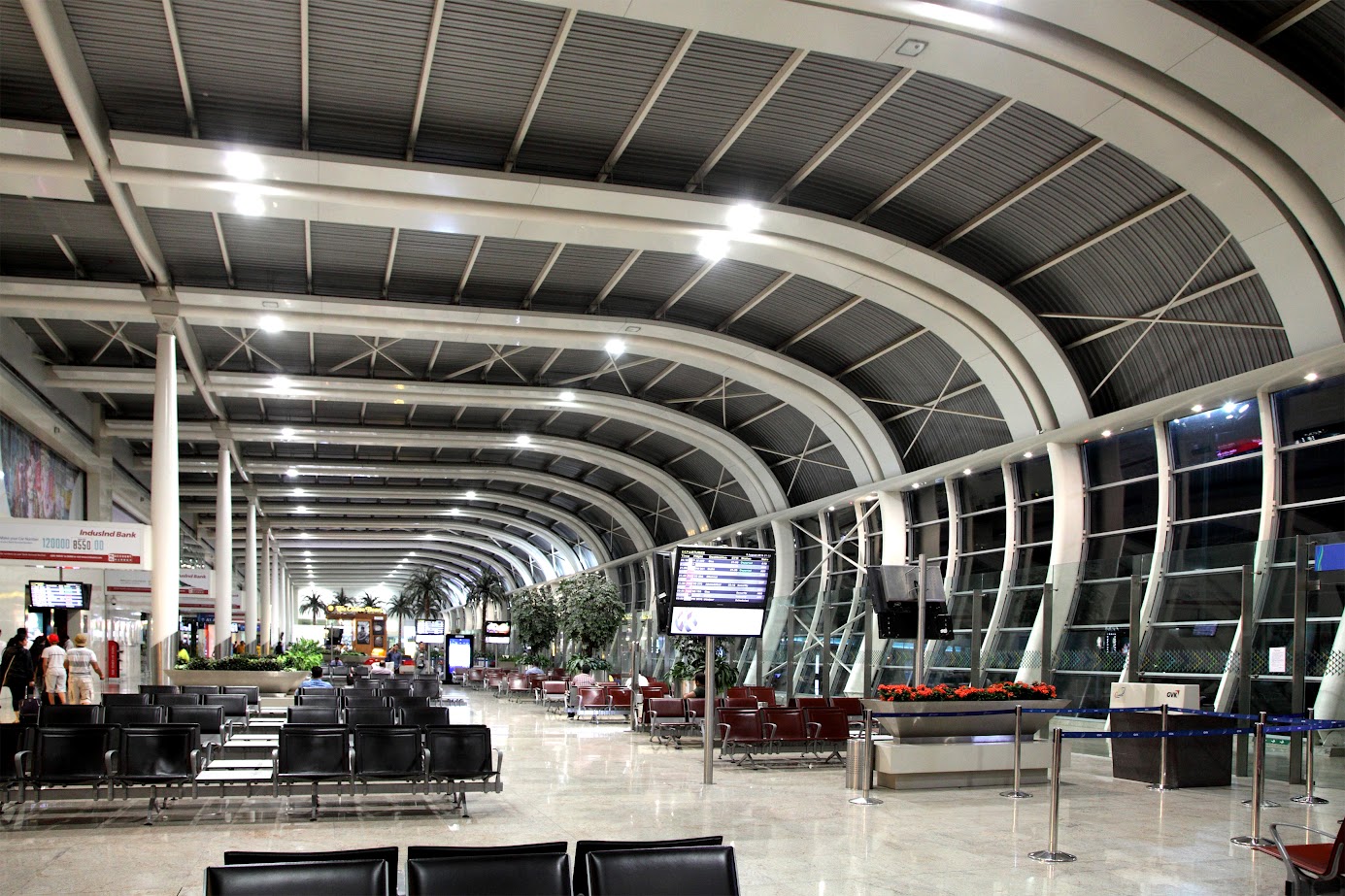
Terminal 1A of Mumbai’s Chhatrapati Shivaji Maharaj International Airport (CSMIA), closed since 2016, is set for demolition after receiving clearance from the Mumbai Metropolitan Region Development Authority (MMRDA). The removal of the defunct terminal, along with an old chiller plant and temporary shed, marks a new phase in the city’s airport expansion efforts aimed at accommodating growing passenger volumes and modernising aviation infrastructure.
Officials confirmed that the MMRDA granted a no-objection certificate (NOC) for the demolition on 24 September 2025. The move forms part of the larger redevelopment plan to optimise available land at the airport and prepare for upcoming projects that align with Mumbai’s evolving transport and infrastructure demands. Built in 1992, Terminal 1A was once a symbol of modern air travel in India. It was the country’s first terminal to feature aerobridges and handled domestic flights operated by the now-merged Indian Airlines. Over time, as passenger volumes increased and air travel patterns changed, the facility became inadequate to handle contemporary operational and sustainability standards. Officials noted that structural deterioration and limited vehicular space further justified the decision to dismantle the building.
Beyond its architectural relevance, Terminal 1A holds deep historical and emotional significance. The terminal once hosted prominent political events and served as a coordination hub during the 2006 Mumbai train bombings and the 26/11 terror attacks, when its meeting rooms were used for emergency response efforts. “It was state-of-the-art for its time and served as a gateway for several defining moments in Mumbai’s history,” said a former airport staff member. Airport authorities have already invited expressions of interest for refurbishing the existing Terminal 1. However, major reconstruction works are expected to begin only after the first operational phase of the Navi Mumbai International Airport (NMIA) — anticipated between 2029 and 2030 — to ensure continuity in flight operations and maintain air traffic capacity.
Urban planners suggest that the demolition reflects a broader trend in India’s aviation infrastructure renewal, where outdated structures are being replaced with energy-efficient and passenger-centric facilities. “The focus is on optimising space, integrating smart technologies, and ensuring compliance with green building standards,” an aviation infrastructure expert noted. As India’s financial capital continues to experience rapid growth in air traffic, the redevelopment of Mumbai’s airport facilities is expected to improve operational efficiency, enhance passenger experience, and support the city’s goal of building sustainable and resilient transport infrastructure for the next generation.
Also Read: BMC Approves Rs 918 Million Mulund Dumpsite Lease Agreement With Dharavi SPV
