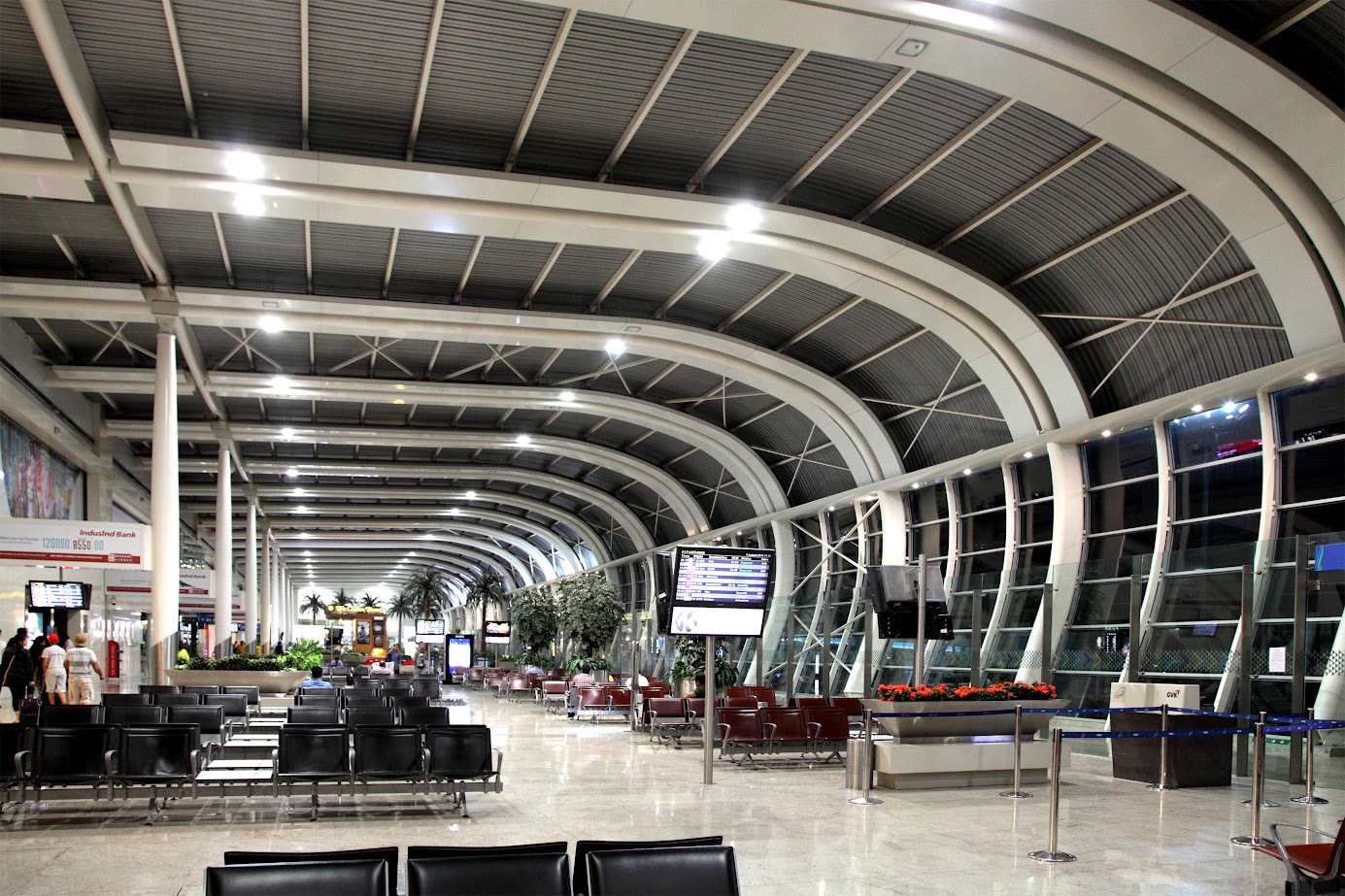
Mumbai Airport Terminal 1 Demolition Planned After Navi Mumbai Expansion
Mumbai’s aviation landscape is on the cusp of a major transformation, with Chhatrapati Shivaji Maharaj International Airport (CSMIA) preparing to demolish its ageing Terminal 1. The move, long anticipated by aviation experts, is closely tied to the expansion of the Navi Mumbai International Airport (NMIA), which will act as a balancing hub for the region’s surging passenger traffic.
Terminal 1 currently caters to more than 10 million domestic passengers annually. Authorities have clarified that the demolition will not be immediate. Instead, it will coincide with the operationalisation of the second terminal at NMIA, which is expected to absorb the bulk of passenger traffic that would otherwise overwhelm CSMIA. Officials noted that shutting the facility prematurely would risk severe congestion across the existing airport.The first phase of NMIA, under active development, is projected to accommodate up to 20 million passengers annually. A second phase is planned to expand this capacity to 50 million, creating one of the largest aviation hubs in the country.
Only after this milestone is achieved will Terminal 1 be fully decommissioned and cleared for redevelopment.Airport authorities have already scaled down certain portions of Terminal 1 due to safety and structural concerns. According to officials, the long-term vision is to reconstruct the facility on the same site, creating a modern terminal that will complement CSMIA’s international operations while meeting sustainability standards. However, the redevelopment will require multiple clearances, extensive construction timelines, and system reinstallation, a process that could extend over several years.The decision underscores the pressure on Mumbai’s aviation ecosystem, which continues to experience unprecedented passenger growth. With India emerging as one of the fastest-growing aviation markets globally, demand for capacity expansion in metropolitan regions has outpaced infrastructure development. The NMIA project, alongside the CSMIA redevelopment, represents an opportunity to decongest air travel while introducing world-class infrastructure that aligns with zero-carbon, eco-friendly, and equitable city-building goals.
Urban planners and sustainability experts argue that the coordinated development of both airports can be a model for future infrastructure expansion. By balancing capacity across two sites, reducing pressure on one urban centre, and incorporating eco-conscious designs, the project promises to deliver both operational efficiency and long-term resilience.For passengers, the change may come with temporary inconvenience during the transition period, but the eventual outcome is expected to create a seamless and sustainable aviation experience for the city. The challenge will lie in ensuring that the demolition, redevelopment, and expansion are synchronised without triggering prolonged disruption.As Mumbai braces for this pivotal shift in its air connectivity, the redevelopment of Terminal 1 and the rise of NMIA will not only reshape the city’s aviation sector but also set new benchmarks for urban infrastructure in India.