


Mumbai’s primary aviation gateway is preparing for a prolonged disruption to air cargo operations, with plans underway to temporarily suspend dedicated freighter movements at Chhatrapati Shivaji Maharaj International Airport (CSMIA). The proposed shutdown, expected to span much of 2026-27, reflects the mounting infrastructure pressures faced by one of the country’s most space-constrained yet economically critical airports, and carries implications for exporters, supply chains, and the Mumbai metropolitan region’s logistics ecosystem.
According to airport stakeholders familiar with the proposal, the suspension is being planned to enable a complete reconstruction of ageing cargo-side infrastructure, including aircraft parking areas that have reached the end of their operational life. The works are part of a wider airside modernisation programme that also involves extensive runway resurfacing and the reconfiguration of taxiway access. Given the airport’s unique operational limitation of running only one runway at a time, officials indicate that sequencing passenger and cargo aircraft during construction would be operationally unviable. CSMIA handles over 850,000 tonnes of cargo annually and plays a pivotal role in India’s high-value exports, pharmaceuticals, perishables, and time-sensitive manufacturing supply chains. Urban logistics experts note that a temporary freighter suspension at such a hub is not merely an aviation issue, but a metropolitan economic concern, particularly for small exporters and logistics firms clustered across Mumbai and the wider MMR.
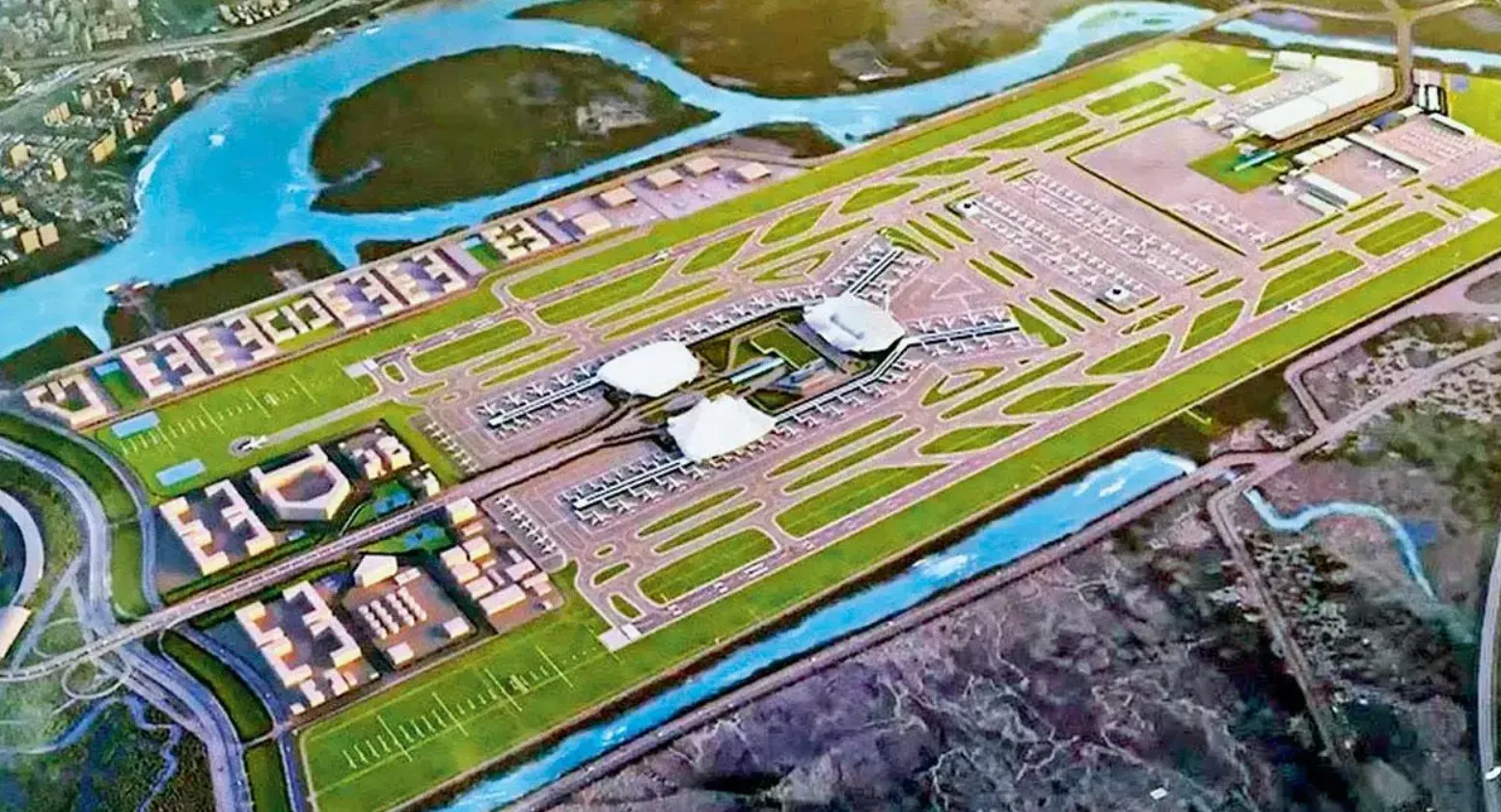
Airport planners have assessed the option of relocating freighter movements within the airport footprint but concluded that continuous passenger operations and severe land constraints make this impractical. The airport’s dense urban surroundings, while enabling excellent city access, also restrict phased redevelopment a challenge increasingly common in older global gateways embedded within megacities. Attention has therefore turned to Navi Mumbai International Airport, which has recently commenced limited operations and is intended to serve as the region’s long-term aviation growth engine. However, cargo industry representatives argue that supporting infrastructure, customs readiness, and hinterland connectivity at the new airport will take time to mature. A forced shift of freighter traffic, they caution, could elevate logistics costs and strain exporters already navigating global trade volatility. From a planning perspective, the proposed CSMIA freighter suspension highlights a broader transition underway in Indian aviation balancing infrastructure renewal with economic continuity, while gradually decentralising freight activity to reduce environmental and congestion pressures on core urban areas. Sustainable urban development specialists point out that modern cargo aprons and taxiways can improve operational efficiency and reduce emissions from ground movements, but only if transition planning is coordinated across the region.
Looking ahead, the coming months will test coordination between airport authorities, logistics operators, and policymakers. Clear timelines, interim cargo strategies, and accelerated readiness at alternative airports will be critical to ensuring that essential trade flows remain resilient while Mumbai upgrades infrastructure that underpins its long-term urban and economic sustainability.
Also Read: Mumbai Kalina Bandra Shortcut Faces Safety Concerns
