


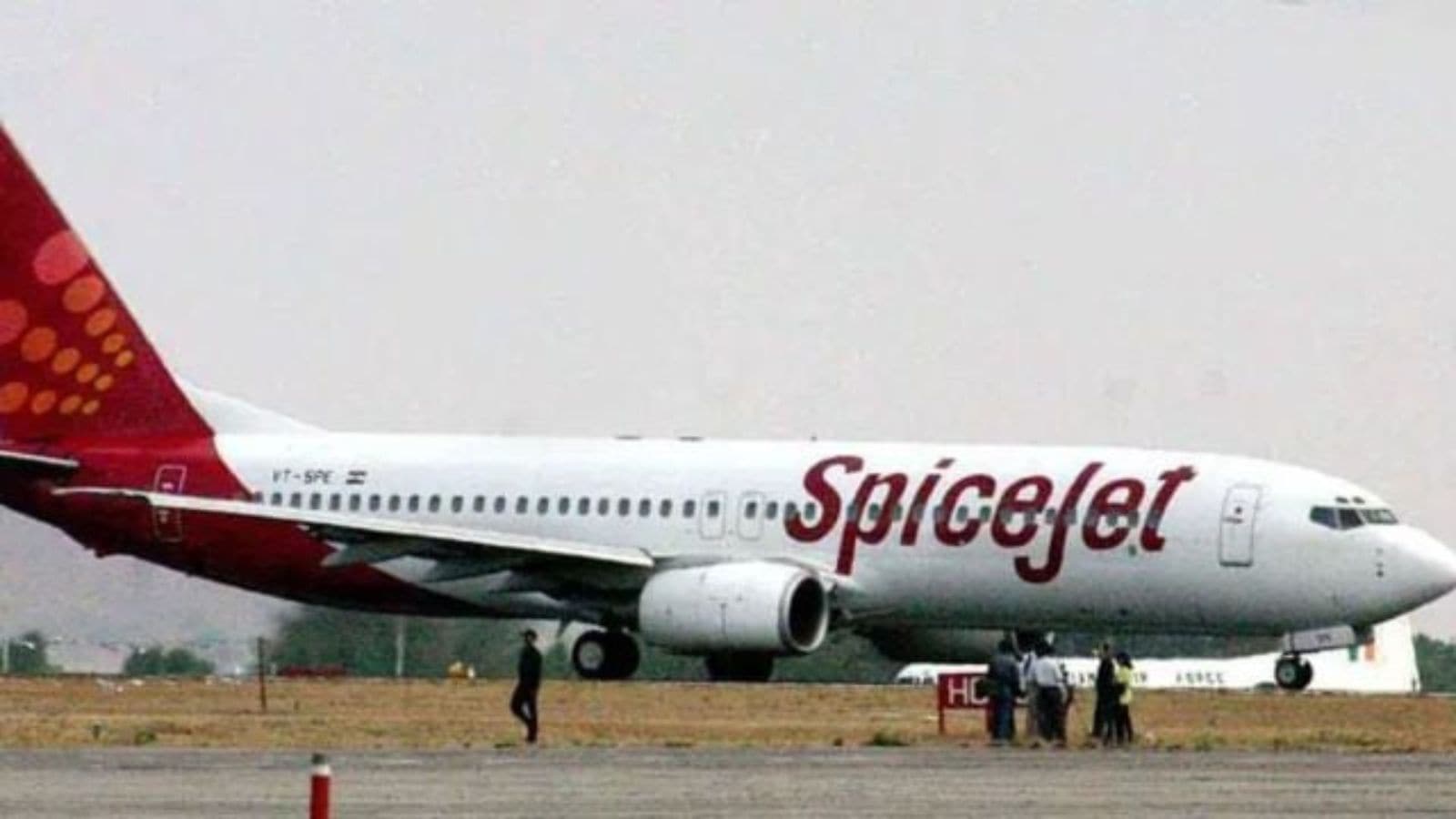
Tensions ran high at Mumbai’s Chhatrapati Shivaji Maharaj International Airport over the weekend as passengers awaiting a SpiceJet flight to Dubai were left stranded for over 11 hours. What began as a routine overnight departure turned into a protracted ordeal, prompting agitated passengers to stage a sit-in protest on the terminal floor, calling out the airline for alleged negligence and lack of basic support.
SpiceJet flight SG-59, scheduled to depart at 2:00 AM, did not take off until 1:23 PM on Sunday, leaving hundreds of travellers frustrated. The disruption came on the heels of another delayed departure on Saturday, when the same flight left five hours late. By Sunday afternoon, the growing discontent spilled into public view, as videos of the protest went viral, showing passengers chanting slogans and accusing the airline of not providing food, water, or timely updates. Many travellers complained of poor coordination between airline representatives and ground staff. Several alleged they had received conflicting information or no information at all, while others highlighted the lack of designated personnel to handle customer grievances during the long delay.
Airline officials later confirmed that the disruption was caused by an unexpected technical fault that was identified during pre-flight checks. According to senior staff, repairs took longer than anticipated, forcing the crew to exceed their legally permitted Flight Duty Time Limitations (FDTL), necessitating a replacement crew. The aircraft was cleared for departure only after the operational handover was completed and a new team was assigned. However, the domino effect of these delays impacted return services as well. SpiceJet’s SG-60 flight from Dubai to Mumbai, scheduled for 4:00 PM on Saturday, was delayed by over four hours, and on Sunday, it had yet to depart at the time of reporting. Aviation tracking services also indicated continued delays in the route, with estimates showing a 5.5-hour lag on Monday’s outbound flight.
Industry observers note that while last-minute technical issues are not uncommon in aviation, the manner in which they are managed has a direct impact on passenger confidence. The civil aviation sector, particularly in India’s congested metros, continues to face scrutiny over delays, service standards, and customer communication. Experts argue that recurring incidents like these highlight the urgent need for improved passenger welfare mechanisms, including immediate support services during delays and real-time status alerts. For international travellers departing from one of India’s busiest hubs, a breakdown in coordination can have far-reaching consequences — from missed connections to financial losses.
As air traffic rebounds to pre-pandemic volumes, the focus must remain on maintaining operational integrity while ensuring that the traveller remains at the centre of service delivery. The recent protest at Mumbai Airport serves as a strong reminder of this growing imperative.
Also Read : Mumbai Breach Candy Residents Renew Demand For Coastal Road Link At Nepean Sea
