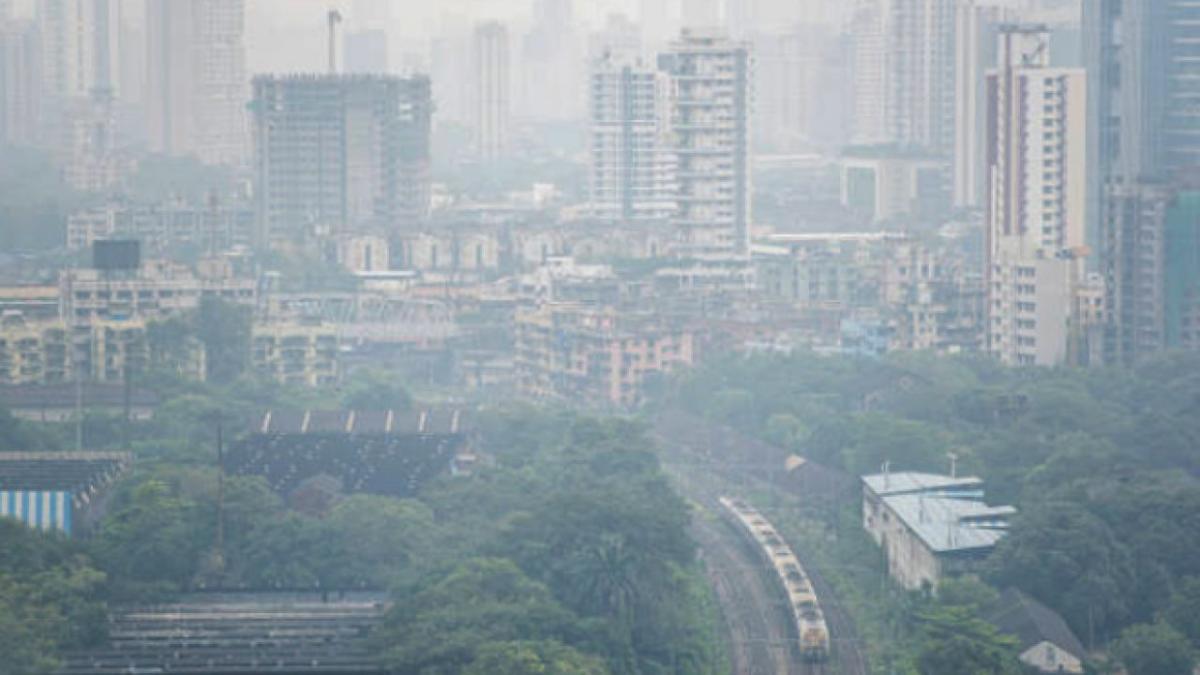
Mumbai witnessed relatively stable weather conditions on March 18, with clearer skies and moderate temperatures offering short-term relief to residents. However, while broader environmental indicators such as the Mumbai air quality showed improvement, sharp disparities across neighbourhoods continue to highlight the city’s uneven urban pollution landscape.
According to weather officials, daytime conditions are expected to remain partly cloudy, with the possibility of isolated thunder activity. While a larger weather system is influencing several parts of Maharashtra this week, its direct impact on the Mumbai Metropolitan Region is likely to remain limited. This has helped maintain relatively stable temperatures in the city, with readings ranging in the mid-20s during the morning to low-30s later in the day. The improvement in Mumbai air quality marks a notable shift from the deteriorated conditions seen in previous months. Overall air quality levels have largely remained within the ‘good’ to ‘moderate’ range over the past 24 hours, indicating a temporary easing of atmospheric pollution. Urban climate experts suggest that favourable wind patterns and marginally lower temperatures may be contributing to this improvement.
However, a closer look at hyperlocal data reveals a more complex reality. While several parts of south and central Mumbai recorded clean air levels, certain eastern suburbs continue to face severe pollution stress. In particular, areas such as Govandi have reported hazardous air quality levels, significantly exceeding safe thresholds. Other pockets across the metropolitan region also fall within ‘poor’ air categories, underlining persistent environmental inequities. Urban planners point out that such variations are closely linked to land-use patterns, industrial activity, waste management practices, and traffic density. Neighbourhoods with proximity to dumping grounds, informal industrial clusters, or high vehicular congestion tend to experience consistently worse air quality. This spatial disparity raises critical concerns around environmental justice and public health, especially for vulnerable populations.
The evolving Mumbai air quality scenario also has implications for real estate and urban development. Improved environmental conditions often enhance liveability and property attractiveness, while pollution hotspots can negatively influence housing demand and long-term investment potential. Experts emphasise the need for integrated planning approaches that align infrastructure growth with environmental safeguards. From a governance perspective, the data reinforces the importance of targeted interventions rather than city-wide averages. Measures such as decentralised waste processing, stricter emissions monitoring, and green buffer creation are increasingly seen as essential to address micro-level pollution challenges.
As Mumbai transitions through seasonal weather changes, the coming weeks will be critical in determining whether the recent improvement in air quality can be sustained. For policymakers, the focus is shifting towards long-term resilience—ensuring that gains in environmental quality are not temporary, but part of a broader move towards cleaner, healthier urban living.
Mumbai Air Quality Improves Amid Local Pollution Concerns