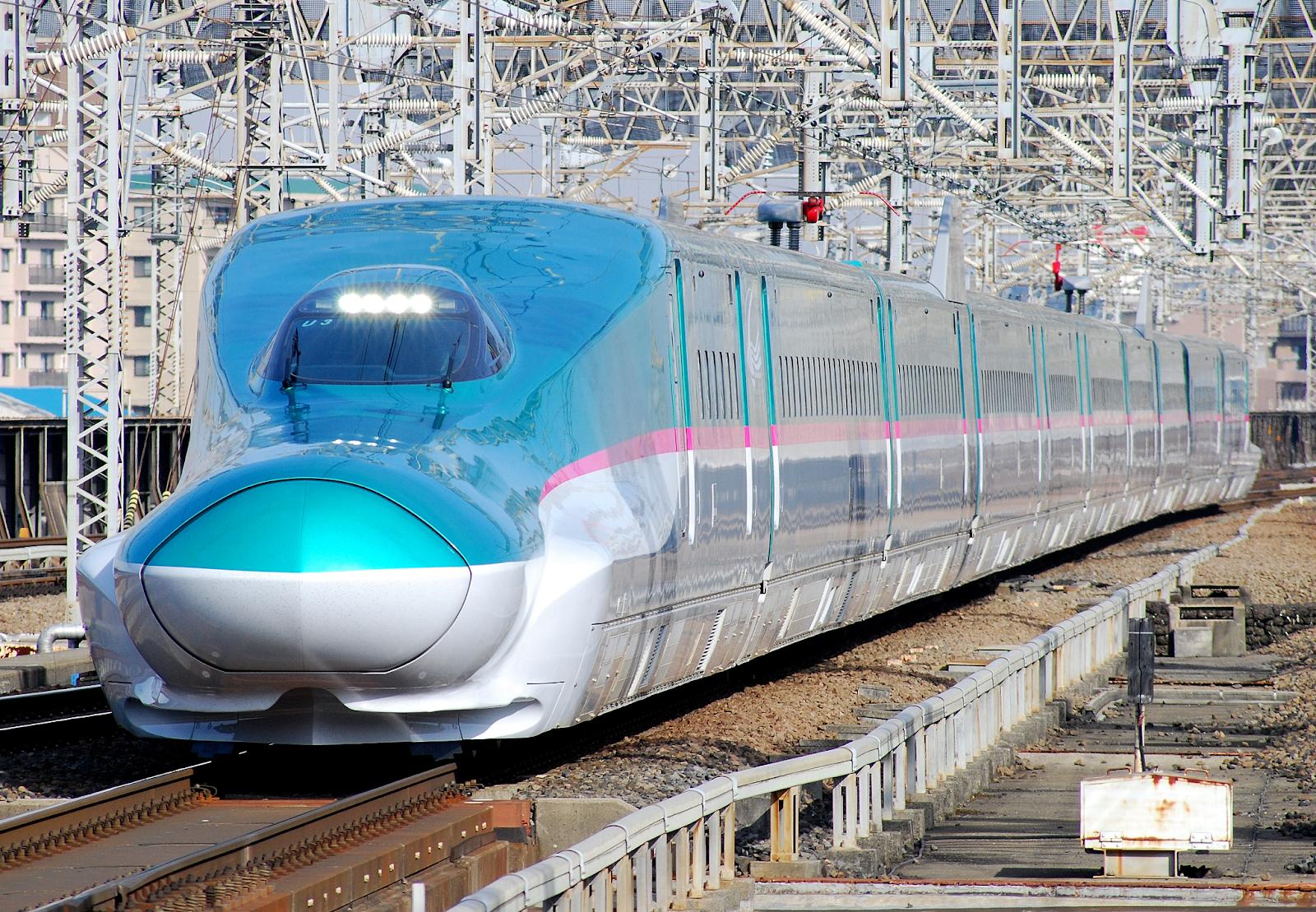
India’s first high-speed rail corridor linking Mumbai and Ahmedabad has crossed a critical infrastructure threshold, as large-scale electrification work gains momentum across multiple construction zones. The rapid installation of overhead electrification masts along the 508-kilometre route marks a shift from foundational civil works to systems that will ultimately enable reliable, low-emission high-speed travel between two of western India’s most important urban regions.
Project officials indicate that mast installation is underway simultaneously across several stretches, including elevated viaduct sections that dominate much of the alignment. These viaducts, built to minimise land acquisition and urban disruption, present complex engineering conditions, requiring precise load management, seismic resilience and long-term durability. Urban transport planners view this phase as crucial because electrification determines not just train speed, but also energy efficiency, safety and maintenance costs over decades of operation.The overhead electrification system will support a 2×25 kilovolt traction network, a configuration widely used on advanced high-speed rail lines globally. More than 20,000 steel masts are planned, with varying heights adapted to terrain, curvature and structural constraints. Industry experts note that the system’s design standards must meet stringent tolerances to ensure uninterrupted power supply at sustained high speeds, particularly on elevated sections where wind loads and thermal expansion are critical considerations.
Beyond transport performance, the Mumbai Ahmedabad bullet train infrastructure is increasingly being assessed through the lens of urban sustainability and economic integration. Electrified high-speed rail offers a significantly lower carbon footprint per passenger kilometre compared to road or air travel, aligning with broader city-level climate commitments in Maharashtra and Gujarat. Reduced travel times are expected to support decentralised economic growth, enabling talent and business movement without further congestion in already stressed metropolitan cores.
Manufacturing also forms a key dimension of the project. A substantial share of electrification components is being produced domestically, strengthening local supply chains for heavy engineering, power systems and precision fabrication. Analysts suggest this capability will be transferable to future intercity rail, metro and regional rapid transit projects, lowering costs and improving delivery timelines nationwide. To stabilise the power network, multiple traction and distribution substations are being developed along the corridor. These installations will regulate voltage and manage load distribution, reducing the risk of service interruptions while allowing integration with regional power grids that are gradually incorporating renewable energy sources. As construction advances, attention will increasingly turn to systems integration, testing and urban interface management around stations and depots. For cities along the route, the project’s next challenge lies not just in achieving speed, but in ensuring that high-speed rail complements local mobility, land use planning and long-term climate resilience goals.