


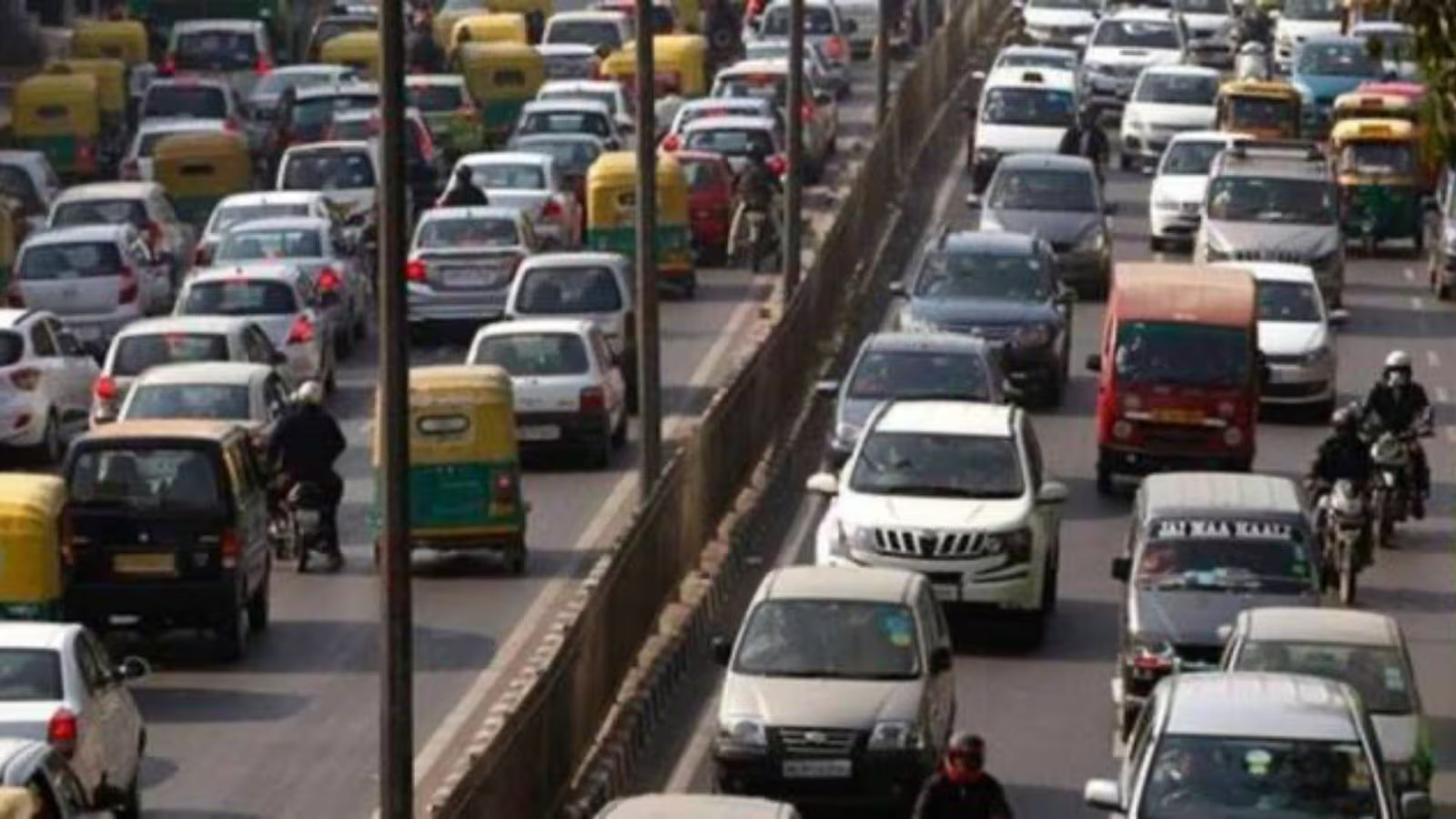
The Mumbai-Ahmedabad Highway (NH-48), one of India’s busiest transport corridors linking two major financial hubs, has once again descended into chaos as a 15-kilometre traffic jam near Vadodara left thousands of commuters stranded for hours. Monsoon rains have worsened already fragile infrastructure, with waterlogged potholes on narrow stretches, particularly the Jambuwa Bridge, reducing traffic flow to a crawl and triggering widespread frustration among motorists, families, and truck drivers.
Authorities managing the highway, including the National Highways Authority of India (NHAI) and state Public Works Department (PWD), have faced repeated criticism over delayed maintenance and insufficient repairs. Officials confirm that while temporary patchwork was applied in recent months, persistent rainfall has reopened deep potholes, creating bottlenecks that leave vehicles immobile for hours. Commuters’ grievances have been amplified through social media, highlighting a recurring public infrastructure failure. For residents and travellers, the impact is both economic and personal. Families travelling for the festival season reported being trapped in traffic without basic amenities such as food or water. Commercial vehicles carrying essential goods faced severe delays, affecting supply chains and local businesses. Truck drivers, vital to regional commerce, described the situation as “injustice to the public,” noting that high toll fees provide no relief against poor road conditions.
Experts point to multiple underlying challenges that contribute to the crisis. “The Mumbai-Ahmedabad corridor was designed to handle high-volume traffic, but repeated monsoon damage, inadequate drainage, and patchwork repairs have created systemic vulnerabilities,” stated a highway infrastructure official. The joint management by NHAI and PWD complicates accountability, with certain stretches falling under state jurisdiction, delaying timely intervention and long-term solutions. The highway has historically faced maintenance challenges, with costs rising steadily over the years due to construction delays, monsoon damage, and growing traffic demands. While temporary funding allocations are deployed during peak damage periods, experts argue that sustainable, eco-friendly engineering solutions, better drainage systems, and predictive maintenance could prevent repetitive disruptions and improve commuter safety.
The ongoing traffic nightmare near Vadodara underlines the urgent need for structural upgrades, long-term planning, and transparent accountability. As festival travel peaks in the coming weeks, authorities are under pressure to deliver immediate relief while implementing measures that reduce future risk. Commuters’ mounting frustration reflects broader expectations for equitable and resilient urban transport infrastructure that balances rapid development with safety and sustainability. The NH-48 traffic jam serves as a stark reminder of the consequences of neglect in critical transport corridors. While repair works continue, public scrutiny and media attention highlight the need for proactive infrastructure governance to prevent repeated travel crises during monsoon seasons and festival periods.
Also Read : Mumbai-Goa Highway Faces Severe Pothole Crisis Amid Heavy Rains
