

HomeUrban NewsAhmedabadMumbai Ahmedabad Bullet Train To Cover 12 Stations By 2027

Mumbai Ahmedabad Bullet Train To Cover 12 Stations By 2027

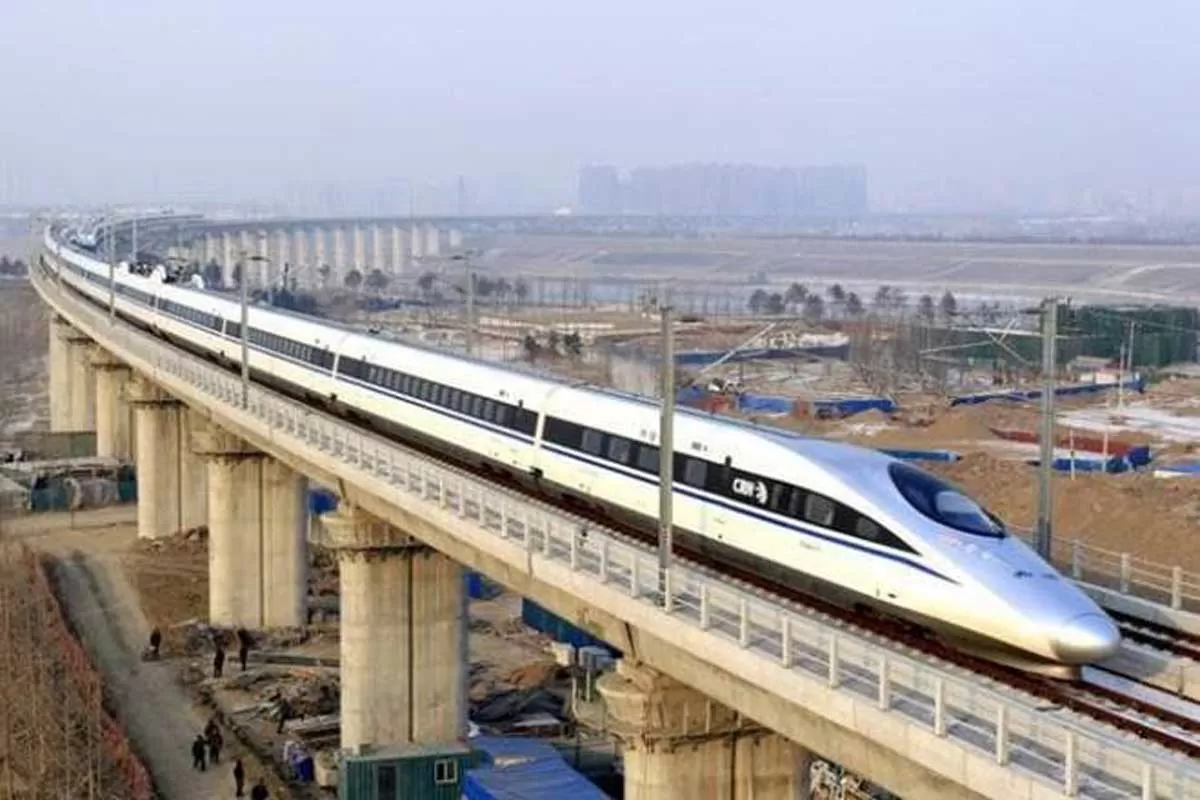
India is preparing to usher in a new era of transport with the Mumbai-Ahmedabad bullet train, expected to begin operations in 2027. Built on Japanese Shinkansen technology, the high-speed rail will reduce travel time between Mumbai and Ahmedabad to a little over two hours, compared with the current six to seven hours by road or conventional rail.

Trial runs are set to commence next year, signalling rapid progress on one of India’s most ambitious infrastructure projects.The 508-kilometre corridor will feature 12 stations across Maharashtra and Gujarat, including Mumbai, Thane, Virar, Surat, Vadodara, Ahmedabad and Sabarmati. Several of these hubs are being developed as multimodal transport centres, ensuring seamless connectivity with metro, suburban, and bus services. This integration is being touted as a game-changer for urban mobility, particularly in cities where congestion remains a major concern.

Also Watch: An Exclusive Interview with Sanjeev Jaiswal (IAS), CEO MHADA

Authorities have indicated that fares will begin around ₹3,000 for a one-way journey between Mumbai and Ahmedabad, placing them in the range of domestic air travel and premium trains. Shorter trips such as Mumbai to Thane will be priced significantly lower, making the service accessible to a broader base of commuters. Transport experts argue that while the pricing may initially appear steep, the speed, punctuality, and comfort offered by the bullet train are expected to attract passengers who currently rely on airlines.

The project is being closely watched for its sustainability footprint. High-speed rail systems, when powered by cleaner energy sources, emit far less carbon per passenger kilometre compared with air travel. Officials have stated that the Mumbai-Ahmedabad route will eventually integrate renewable power into its operations, reinforcing India’s net-zero commitments. Furthermore, the development of multimodal hubs is likely to reduce dependency on private vehicles, a step towards more sustainable, gender-neutral, and inclusive cities.
For India, this project is more than just a transport upgrade. It symbolises the country’s determination to invest in world-class infrastructure and enhance regional connectivity.

Business analysts predict that faster travel will deepen economic integration between Maharashtra and Gujarat, two of India’s most industrially advanced states. The corridor is also expected to unlock real estate and employment opportunities around the proposed stations, potentially transforming smaller towns into thriving economic nodes.Challenges remain, particularly with land acquisition and project costs, which are estimated to run into billions of rupees. Yet officials insist the long-term benefits, from cutting carbon emissions to reducing road congestion, outweigh the financial and logistical hurdles. By the end of this decade, India’s first bullet train is set to become not just a symbol of speed but also a cornerstone in building sustainable and inclusive cities for the future.

Also Read : Ahmedabad Receives Diverted Surat Dubai IndiGo Flight After Mid Air Snag
Mumbai Ahmedabad Bullet Train To Cover 12 Stations By 2027
RELATED ARTICLES
- Advertisment -spot_img

Most Popular

Latest News

Recent Comments