


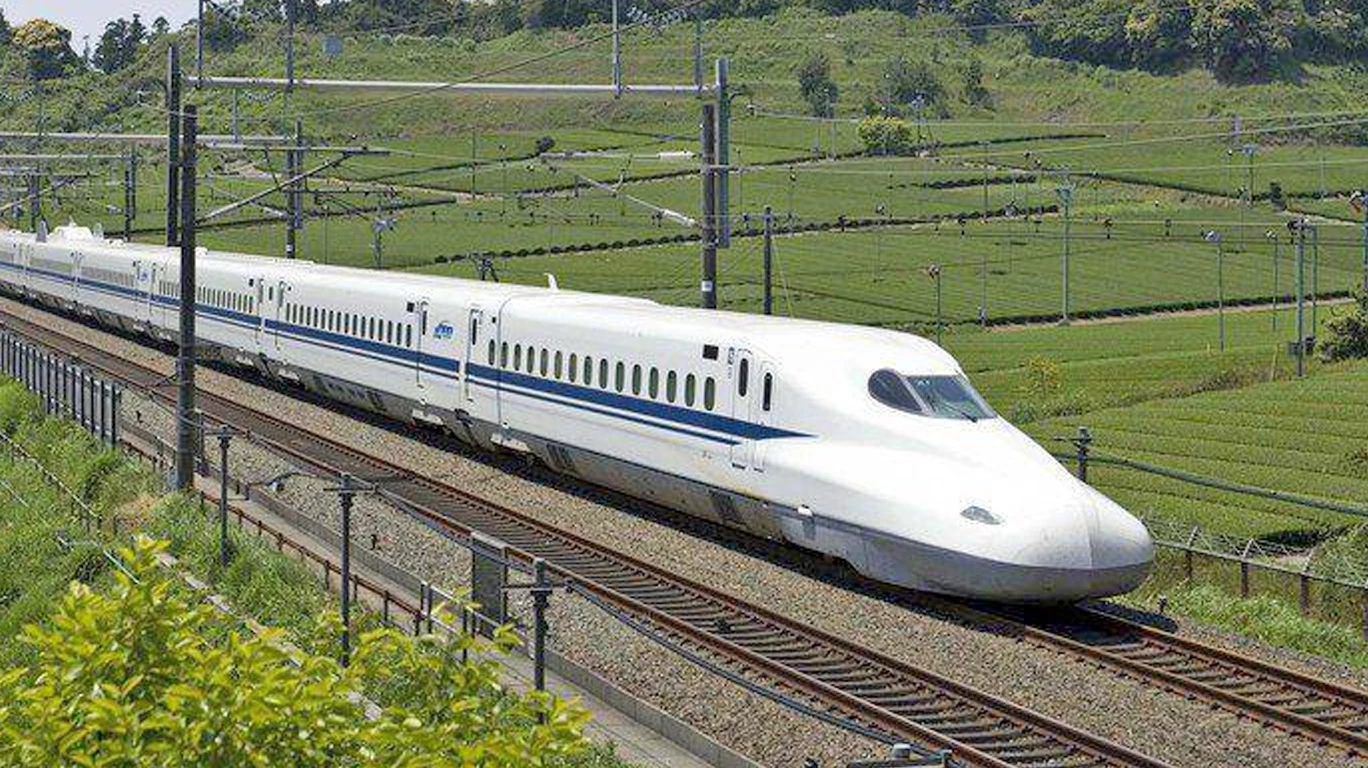
The National High Speed Rail Corporation Limited (NHSRCL) has launched an international tender for project management consultancy services for India’s flagship Mumbai–Ahmedabad High Speed Rail project. The contract will cover critical components, including the signalling and telecommunication system, SCADA operations, and ticketing infrastructure, for a duration of 84 months, marking a pivotal step in advancing the country’s first operational bullet train corridor.
The tender follows a single-stage, two-envelope international competitive bidding process, with selection based on a Quality and Cost Based Selection (QCBS) methodology as detailed in the Request for Proposal (RFP). Interested entities can access RFP documents through the National Informatics Centre (NIC) e-procurement portal between 12 August and 13 October 2025. The cost of participation has been set at Rs 59,000, inclusive of GST, with a bid security requirement of Rs 3.23 crore. Micro and small enterprises, as well as government-recognised startups, are exempt from these fees, ensuring broader participation and inclusivity in the bidding process. A pre-proposal conference is scheduled in New Delhi on 27 August to provide clarifications, although attendance is not mandatory. Technical proposals can be submitted online from 9 September, with a deadline of 13 October. Opening of technical bids will occur on 14 October, signalling the start of the evaluation process for potential consultancy partners.
Officials at NHSRCL emphasise that the selected consultancy firm will play a central role in overseeing the integration and operational readiness of the high-speed rail’s core technological systems. The signalling and telecommunication network, along with SCADA and ticketing systems, are crucial for ensuring safe, efficient, and high-speed operations at 320 kmph, the designed operational speed of the Mumbai–Ahmedabad bullet train. This development forms part of India’s broader commitment to modernising urban and intercity transport with sustainable, high-capacity solutions. By engaging international expertise, NHSRCL aims to ensure that the project meets global safety and operational benchmarks while providing a benchmark for future high-speed rail projects across the country.
The Mumbai–Ahmedabad corridor, stretching approximately 508 kilometres, is positioned as a transformative infrastructure initiative, designed to reduce travel time between the two major economic hubs significantly. Experts note that the integration of advanced signalling, automated control systems, and efficient ticketing mechanisms will not only enhance passenger experience but also contribute to the corridor’s energy-efficient operations, aligning with India’s sustainable mobility objectives. As NHSRCL moves forward with this consultancy bidding process, stakeholders and industry observers are closely watching for partnerships that can bring both technical excellence and operational innovation to one of the most ambitious transport projects in the nation’s history. Successful implementation is expected to set a precedent for high-speed rail development in India and serve as a model for future sustainable and technologically advanced corridors.
Also Read: Centre Delays Selection Of Airports For Sustainable Aviation Fuel Infrastructure
