


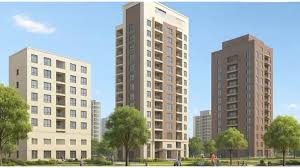
Mumbai is set to witness one of its largest public-sector housing interventions after the state cabinet approved a comprehensive redevelopment and housing expansion programme for police personnel, marking a significant shift in how essential urban workers are accommodated within India’s most expensive real estate market.
The approved initiative, valued at approximately ₹20,000 crore, aims to deliver between 40,000 and 45,000 new residential units across nearly 50 million square feet in Mumbai and its suburban districts. The programme is expected to directly benefit more than 51,000 police personnel, many of whom currently live in severely outdated or unsafe housing conditions. Urban officials involved in the planning process say the project responds to decades of underinvestment in police housing. A substantial portion of the existing housing stock dates back to the colonial period, with several thousand units officially classified as structurally unfit. These conditions, experts note, have long affected morale, retention and quality of life for personnel tasked with managing one of the country’s most complex urban environments. Under the approved financial structure, the state government will contribute 30 per cent of the total project cost, while the remaining funding will be raised through institutional borrowing by a state infrastructure agency. An initial allocation has already been cleared to fund feasibility studies, master planning and early-stage groundwork, allowing the project to move into implementation without delay. Beyond housing delivery, planners indicate the project is being positioned as a township-led redevelopment model rather than a series of isolated buildings. This approach is expected to integrate social infrastructure such as schools, healthcare facilities, community spaces and improved transport access, aligning with contemporary principles of people-first and inclusive urban development.
Parallel to the housing approval, the cabinet also cleared a revised financial outlay for the second phase of a major urban transport programme in Mumbai. Additional funding support will be channelled through land-based monetisation in eastern Mumbai, highlighting the growing reliance on transit-oriented commercial development to finance public infrastructure. Urban policy experts say the police housing initiative reflects a broader recognition that city resilience depends not only on transport and real estate markets, but also on the living conditions of frontline public service workers. Adequate housing closer to workplaces can reduce commute stress, improve emergency response times and lower the city’s overall carbon footprint by cutting long-distance travel. However, analysts caution that execution will be critical. Large-scale public housing projects in Mumbai have historically faced delays linked to land availability, inter-agency coordination and financing pressures. Transparent phasing, climate-sensitive design and long-term maintenance planning will determine whether the project delivers lasting value.
If implemented as envisioned, the redevelopment could set a precedent for how Indian cities house essential workers within high-cost urban cores, balancing fiscal discipline with social equity. As Mumbai continues to grow denser, such interventions may prove central to sustaining a functional, humane and resilient metropolis.
Also Read: Sunteck Realty Bets Big On Mumbai Luxury Housing
