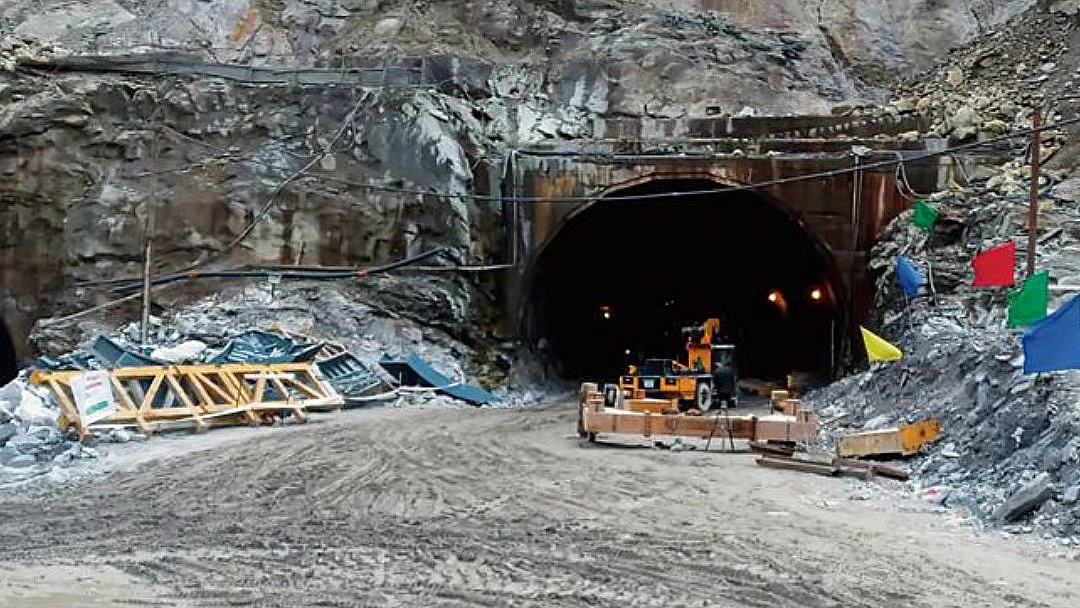
Mumbai’s efforts to future-proof its water supply network have moved a step forward with statutory clearance granted for a large underground water conveyance system linking the city to sources in the Mumbai Metropolitan Region. The civic administration has received approval under coastal regulations for a deep tunnel connecting Kasheli in Thane district to Mulund in eastern Mumbai, enabling a more secure and resilient water supply framework for the city’s expanding population and economy.
The project, spread across a 21-kilometre alignment, is designed to modernise one of Mumbai’s most critical urban utilities at a time when infrastructure vulnerability, climate variability, and rapid urbanisation are placing unprecedented pressure on water systems. Urban planners view the clearance as a key milestone, allowing long-delayed construction to proceed after years of regulatory review. According to project documentation, the underground corridor will function alongside the existing surface pipeline network rather than replacing it. This dual system approach is intended to improve operational flexibility, reduce disruption risks, and enhance reliability during repairs or emergencies. Civic officials overseeing the scheme indicate that the tunnel’s design prioritises long-term durability, with reduced exposure to construction damage, encroachments, and contamination that often affect ground-level pipelines.
The water tunnel is part of a broader reconfiguration of supply infrastructure tied to regional transport and development projects, including highway expansion in the Thane–Bhiwandi belt. Separate underground stretches are planned to link the Yevai reservoir to Kasheli, followed by the onward connection to Mumbai. Tenders for these components were floated in early 2024, with an anticipated construction timeline of six to seven years once full clearances were in place. From an engineering perspective, the tunnel’s depth—planned at over 100 metres below ground—marks a significant shift in how essential services are being designed in dense metropolitan regions. Infrastructure specialists note that deep tunnelling, while capital-intensive, offers long-term benefits in cities where surface space is increasingly contested by transport corridors, real estate development, and utility lines.
Mumbai currently draws thousands of million litres of water daily from lakes located across Thane and Nashik districts. Maintaining uninterrupted transmission from these distant sources is critical not only for households but also for commercial districts, industrial activity, and real estate development. A more resilient supply network directly supports economic stability, public health, and urban liveability. The project also aligns with wider climate resilience goals. By reducing leakage losses and safeguarding transmission from extreme weather impacts, the underground system contributes to more efficient water management at a time when rainfall patterns are becoming less predictable.
As the city moves toward execution, attention will turn to construction phasing, environmental safeguards, and coordination with surrounding infrastructure projects. For Mumbai, the tunnel represents a long-term investment in water security—one that underpins sustainable growth while adapting core civic systems to the realities of a rapidly changing urban environment.
Mumbai Advances Long Distance Subsurface Water Project