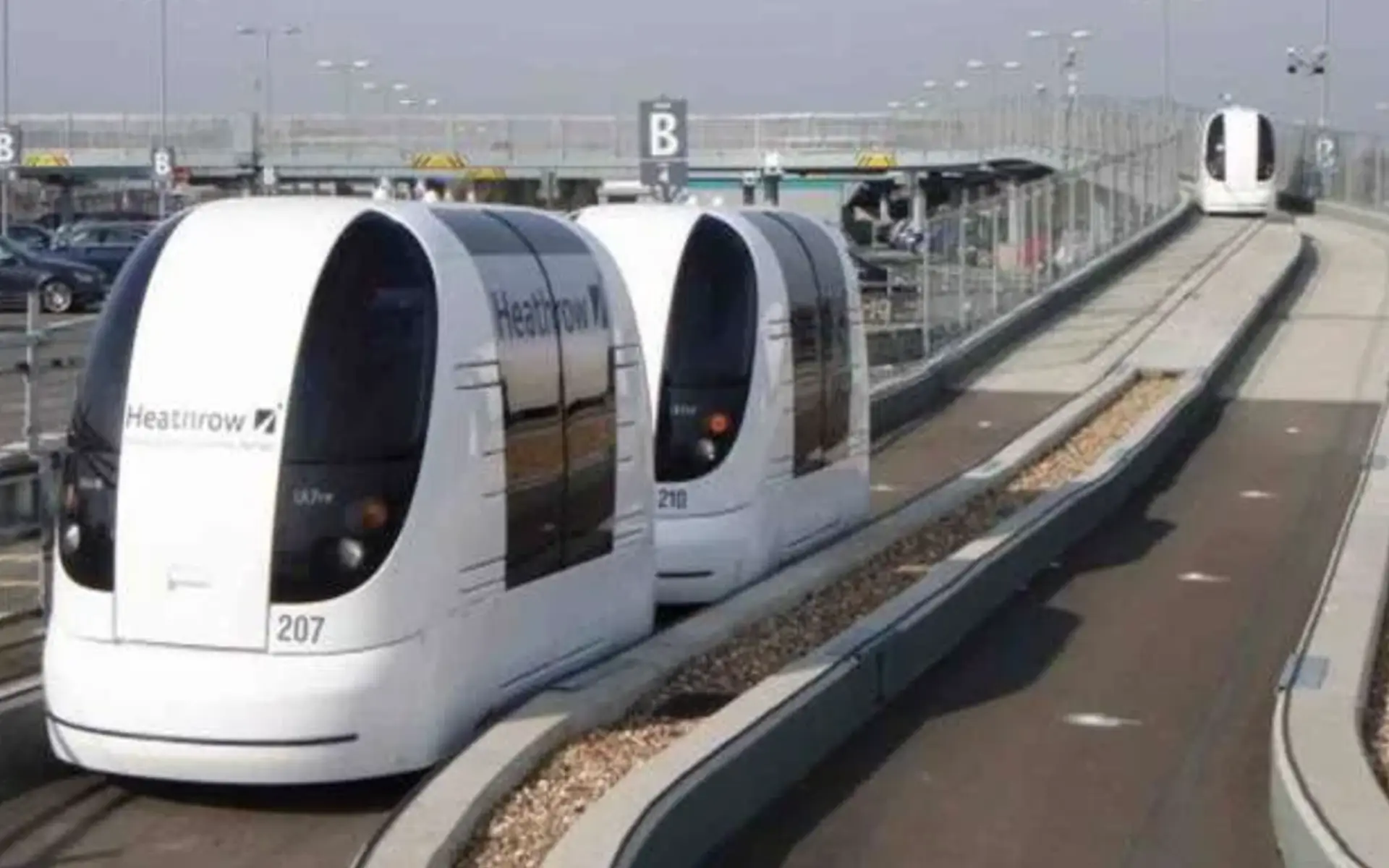
Mumbai’s long-discussed automated transit ambitions have moved a step closer to implementation, with the Maharashtra government recalibrating land use plans around Kurla and Bandra to enable the city’s first pod-based urban transport corridor. The decision, taken after inter-agency consultations, reflects growing pressure to resolve last-mile gaps in one of India’s most densely built metropolitan regions.
Officials familiar with the process said land earlier earmarked for police housing near Kurla will now be reassigned to support a pod taxi terminal integrated with existing rail and metro infrastructure. To offset the shift, alternative space under the control of the Railway Land Development Authority has been identified for the project’s Bandra terminal, ensuring that housing requirements for police personnel are addressed without stalling the transport proposal. The Mumbai pod taxi project, formally described as an Automated Rapid Transit System, is designed to operate small, driverless electric pods on elevated or dedicated guideways. Unlike conventional mass transit, the system is intended to serve short, high-frequency trips between railway stations, metro nodes, office districts, and residential clusters—areas where road widening or new bus lanes are no longer viable.
Urban planners note that Kurla and Bandra are logical anchors for such a network. Both locations handle heavy daily commuter volumes and act as interchange points between suburban rail, metro lines, and arterial roads. Persistent congestion, coupled with long walking distances from stations to workplaces, has made these zones testing grounds for alternative mobility solutions. A senior urban development official said the revised land allocation signals a shift towards integrated planning rather than siloed departmental decisions. “Large transport projects in Mumbai often slow down due to fragmented land ownership. This approach tries to resolve conflicts upfront,” the official said, adding that coordination between state departments, the metropolitan authority, and rail land agencies is ongoing.
From an economic standpoint, the project is being positioned as a relatively low-emission addition to the city’s transport mix. Electric pods, operating on fixed tracks, are expected to have a smaller physical and carbon footprint than road-based feeder services. Industry experts say that if pricing remains accessible, the system could reduce dependence on private vehicles for short urban trips, easing pressure on roads around key business districts. However, challenges remain. Questions around fare integration with existing public transport, safety certification, and long-term scalability are yet to be fully addressed. Urban mobility specialists caution that pod systems work best when seamlessly linked to mass transit, rather than as standalone attractions.
For Mumbai, the land-use adjustment may prove as significant as the technology itself. By prioritising transit connectivity alongside institutional housing needs, the city is testing whether dense, infrastructure-constrained urban environments can still adapt to cleaner and more efficient mobility models. The success of the Mumbai pod taxi network will now depend on execution, coordination, and its ability to deliver tangible time savings for everyday commuters.
Mumbai Adjusts Urban Land for New Pod Taxi