


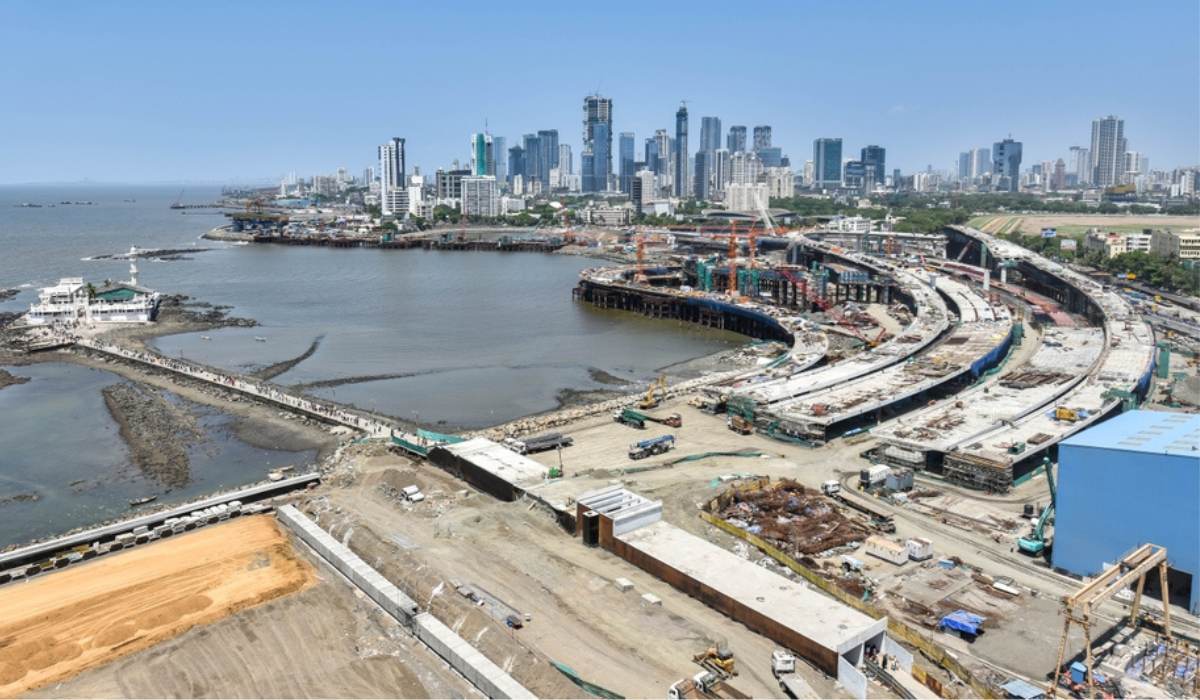
Mumbai’s ambitious infrastructure drive along the Konkan coast has hit a bureaucratic bottleneck, with 20 critical projects—spanning passenger jetties to urban transit nodes—stalled due to delays in receiving Coastal Zone Management Plan (CZMP) maps.
The Chennai-based National Centre for Sustainable Coastal Management (NCSCM), responsible for preparing these maps, has kept the Maharashtra government waiting for over six months to a year in some cases, leading to significant cost escalations and project uncertainties. Eleven of these projects, collectively valued at ₹190.9 crore, are situated within the Mumbai Metropolitan Region (MMR), including key passenger jetties in Thane and Mulund. The remaining nine, worth ₹58.4 crore, are located across Raigad, Ratnagiri, and Sindhudurg districts. The state has already paid the required fees to NCSCM but continues to await the crucial maps needed to apply for Coastal Regulation Zone (CRZ) and environmental clearances.
The delay has had financial repercussions; last year, the central government withdrew approximately ₹220 crore allocated for port infrastructure development in Maharashtra, citing the state’s inability to utilise the funds due to stalled projects. This underscores the cascading impact of administrative delays on infrastructure financing and execution. In response to the impasse, the state’s ports department escalated the issue to the Union Ministry of Environment, Forest and Climate Change. Following this, a meeting was convened via video conferencing between state officials and NCSCM representatives to expedite the mapping process. However, concerns remain about the quality and accuracy of the maps, especially given past instances of discrepancies leading to environmental violations.
Environmental experts caution against hastening the mapping process without due diligence. They emphasise that CZMP maps are vital for protecting coastal ecosystems and ensuring sustainable development. Rushed or inaccurate mapping could lead to legal challenges and further project delays, undermining both environmental safeguards and infrastructure goals. Maharashtra has previously faced criticism for CRZ violations, often attributed to flawed or manipulated mapping. Ensuring transparency and scientific integrity in the CZMP process is crucial to prevent future infractions and to build public trust in coastal development initiatives.
The current situation highlights the need for a balanced approach that respects environmental regulations while facilitating timely infrastructure development. Streamlining inter-agency coordination and enhancing the capacity of mapping authorities like NCSCM could be pivotal in achieving this balance. As Mumbai continues to evolve as a megacity, integrating sustainable practices into its development paradigm is not just desirable but imperative. Addressing the CZMP mapping delays with a focus on accuracy and efficiency will be a significant step towards realising this vision.
Also Read : Mumbai Cancels Rs 14000 Crore Road Project Tenders
