Mumbai‑bound Air India flight deep‑cleaned after cockroach sighting, apology issued
A recent incident on a long-haul flight from the United States to Mumbai, involving the presence of pests in the cabin, has prompted a major domestic carrier to issue a public apology and launch a comprehensive internal investigation. The event, which saw passengers being relocated and the aircraft undergoing an emergency deep cleaning, has sparked a broader conversation about aviation sanitation standards and the operational integrity of carriers. While the airline promptly addressed the issue, the incident underscores the critical need for robust, transparent, and sustainable hygiene protocols that build and maintain passenger confidence in a competitive global market.
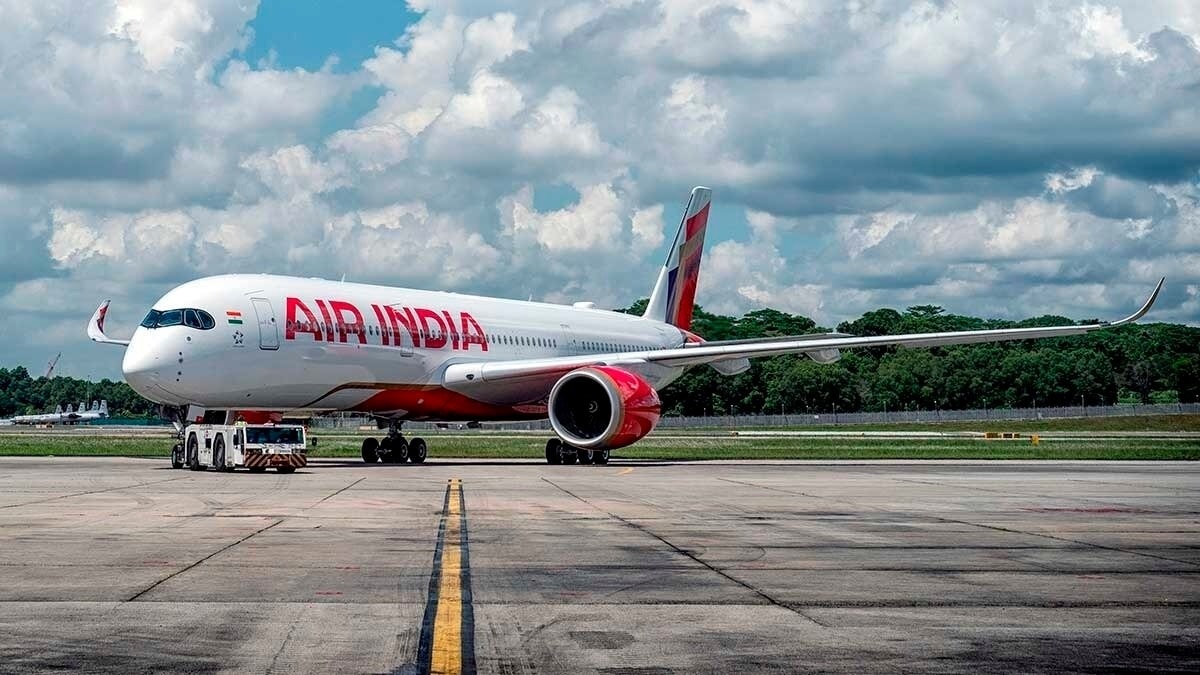
The unfortunate discovery of pests by two passengers occurred on a Saturday flight as the aircraft was en route to its stopover in Kolkata. The cabin crew’s quick response to relocate the affected passengers was the first line of defence, but the incident highlighted a lapse in pre-flight sanitation procedures. The aircraft, a relatively modern Boeing 777, was subsequently subjected to an intensive “deep cleaning” during its technical halt. While a company spokesperson attributed such occurrences to insects potentially entering during ground operations, the event raises questions about the efficacy of routine maintenance and fumigation efforts, which are paramount to ensuring a consistently sterile and safe flying environment for all.
In the aviation sector, where operational excellence is tied directly to brand reputation and passenger trust, such incidents carry significant weight. Beyond the immediate inconvenience to passengers, a sanitation breach signals a potential weakness in a carrier’s overall quality control framework. For an industry increasingly focused on sustainable practices, this includes not only carbon neutrality and fuel efficiency but also a holistic approach to operational hygiene. An airline that prioritises its passengers’ well-being through meticulous cleaning protocols and eco-friendly pest management solutions is an airline that aligns with a sustainable and responsible corporate ethos.
The incident serves as a crucial reminder for all airlines to re-evaluate their ground handling and maintenance partnerships. Given the complex logistics of international air travel, where aircraft move across continents, the risk of contamination during ground operations is a constant challenge. However, a state-of-the-art approach, which includes advanced, non-toxic fumigation technologies and stringent oversight of third-party cleaning crews, is non-negotiable. This proactive stance ensures not only the health and safety of travellers but also demonstrates a genuine commitment to operational excellence. The airline’s promise of a full investigation and the implementation of preventative measures is a necessary step towards rebuilding trust.
Ultimately, the goal of modern, equitable, and sustainable air travel is to provide a seamless and secure experience for every passenger, regardless of their route or destination. This recent event, while isolated, underscores that an airline’s commitment to passenger safety extends far beyond the cockpit—it begins and ends with the cleanliness of the cabin. The industry and its regulators must work in concert to establish and enforce standards that prevent such incidents from becoming a recurring issue, ensuring that the skies remain a sanctuary for safe and healthy travel.