Mumbai‑based Reliance Infra Sells Pune‑Satara Toll Road for Rs 2,000 Crore
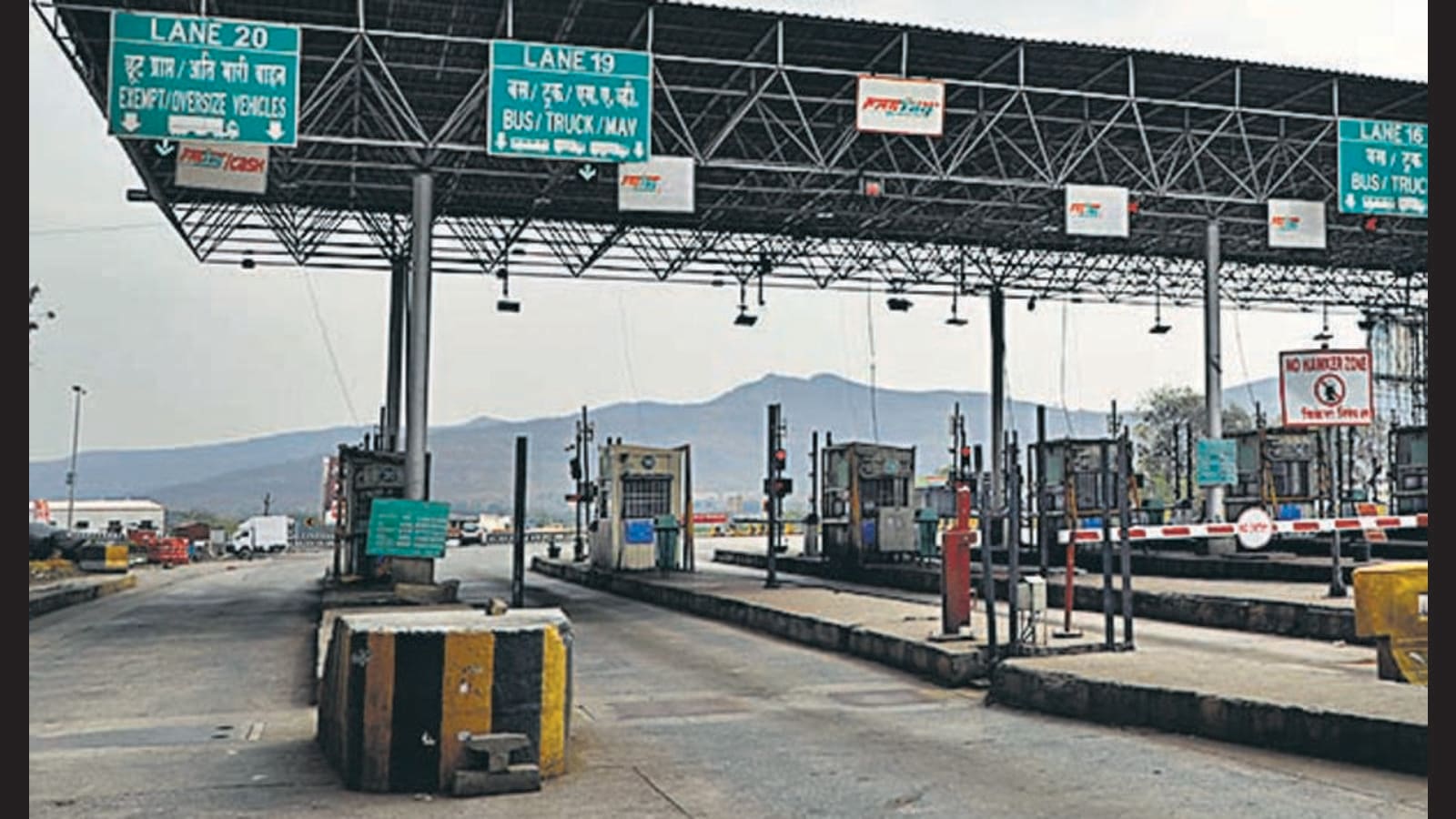
Reliance Infrastructure is set to divest its Pune-Satara Toll Road project for an estimated enterprise value of ₹2,000 crore. The sale to Singapore-based Cube Highways marks a crucial step in the company’s strategy to monetise non-core assets and reduce its consolidated debt. This transaction holds broader implications for the long-term operational health of a vital transport corridor, with the potential to improve efficiency and align it with the city’s sustainability goals.
The deal involves Cube Highways acquiring a 100 per cent stake in PS Toll Road Pvt. Ltd., the special purpose vehicle responsible for the project. For Reliance Infrastructure, the transaction is expected to yield ₹600 crore in equity proceeds while simultaneously reducing its consolidated debt by a substantial ₹1,400 crore. Company sources state the funds will be strategically redirected toward the firm’s core business areas, reinforcing its financial resilience and capital structure. This asset monetisation is a continuation of a prior deal between the two entities, with Reliance having sold its Delhi-Agra Toll Road to the same buyer in 2020.
The Pune-Satara expressway is far more than a financial asset; it is a critical artery of commerce and connectivity. This 140-kilometre, six-lane corridor on National Highway 48 is a key stretch of the Golden Quadrilateral, serving as a lifeline between the industrial hubs of Mumbai and Bengaluru. For countless commuters and logistics firms, a well-maintained and efficiently managed highway is central to daily life and business operations. The change in ownership to a new and specialised infrastructure operator could herald improved maintenance standards and operational efficiencies, directly benefiting the hundreds of thousands of daily users.
From a broader civic perspective, the transaction serves the larger interest of a zero-net-carbon and sustainable urban future. An efficiently managed toll road minimises traffic bottlenecks and facilitates smoother vehicular flow. This, in turn, reduces vehicle idling time and fuel consumption, thereby lowering carbon emissions. The divestment of the asset from a diversified conglomerate to a dedicated infrastructure firm like Cube Highways suggests a shift towards specialised management, which is essential for ensuring that public assets are operated in a manner that is both economically sound and environmentally responsible.
This business deal, while a classic example of corporate strategy, underscores the interconnectedness of private enterprise and public welfare. It highlights that the financial management of a company can have a direct impact on the quality of life for a city’s residents. By securing the long-term stewardship of a crucial piece of infrastructure, the sale of the Pune-Satara Toll Road offers a promising outlook for more reliable, equitable, and sustainable mobility for all commuters, fostering a healthier urban environment.