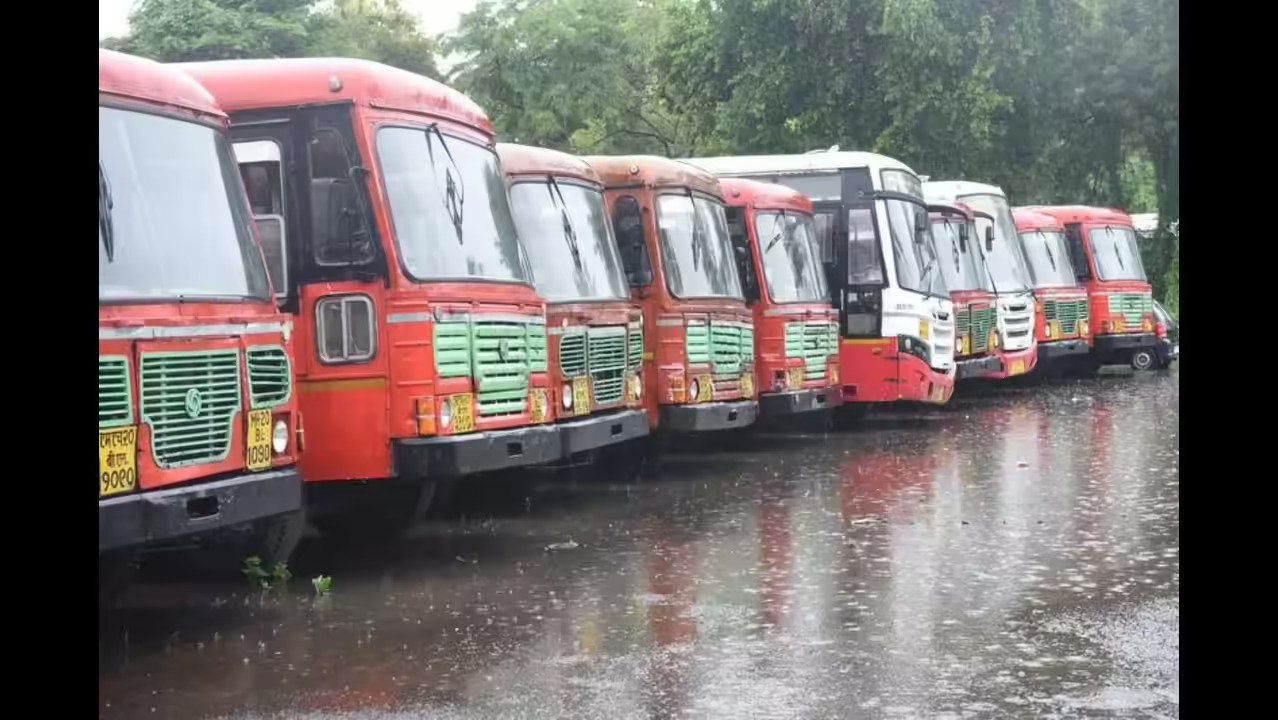
Maharashtra’s state transport corporation is set to significantly expand its non-fare revenue through a new advertising initiative on its iconic ‘Lalpari’ bus fleet. Officials report that over the next five years, the corporation could generate more than ₹250 crore solely from advertisements across buses, depots, and bus stations. The move comes as part of broader efforts to strengthen the financial sustainability of public transport while leveraging the network’s extensive daily reach.
With a fleet of around 12,000 buses operating from 251 depots and over 610 bus stations statewide, the corporation transports approximately 50 to 55 lakh passengers daily. Industry experts note that this extensive footprint represents a highly valuable platform for brands seeking visibility across urban and regional corridors. Plans to expand the fleet further could increase daily passenger numbers to one crore, enhancing the potential impact of advertising campaigns. The transport authority has structured the initiative through a competitive tendering process, awarding rights to new licensees with projected revenues exceeding ₹250 crore over the five-year term. Current advertising income of roughly ₹22 crore annually is expected to more than double under the new arrangement. Officials emphasise that diversifying revenue sources is essential to offset operational costs and prevent recurring financial deficits.
Urban mobility analysts highlight that monetising transport assets aligns with global trends where transit networks optimise underutilised infrastructure to generate non-fare income. “Public transport systems with high passenger volumes provide a unique advertising platform, offering brands consistent exposure while supporting the financial health of the network,” said a senior transport consultant. Such revenue streams can also enable reinvestment in fleet modernisation, safety upgrades, and service enhancements. The advertising plan encompasses multiple touchpoints, including bus interiors, exteriors, station premises, and auxiliary infrastructure. Experts observe that these integrated campaigns not only contribute to revenue but also improve commuter engagement by creating visually dynamic and informative environments. In addition, the scale of the initiative reflects a strategic approach to asset utilisation in large state-run transport systems.
Financial analysts suggest that this model may set a benchmark for other regional transport authorities looking to balance public service obligations with commercial viability. By linking advertising income directly to operational assets, the corporation aims to establish a predictable revenue cycle that can support both infrastructure maintenance and service expansion. Furthermore, such strategies can complement broader efforts to enhance urban mobility and sustainable transport options, reducing dependence on private vehicles. As Maharashtra’s transport network evolves, the expanded advertising initiative is expected to deliver measurable economic and operational benefits, while reinforcing the importance of public transport as a resilient and financially sustainable urban service. Stakeholders indicate that monitoring performance and optimising ad placements will be critical to maximising returns over the tenure of the contract.
MSRTC Lalpari Fleet To Double Ad Earnings