MSRTC Diesel Reform Cuts Costs For Public Transport
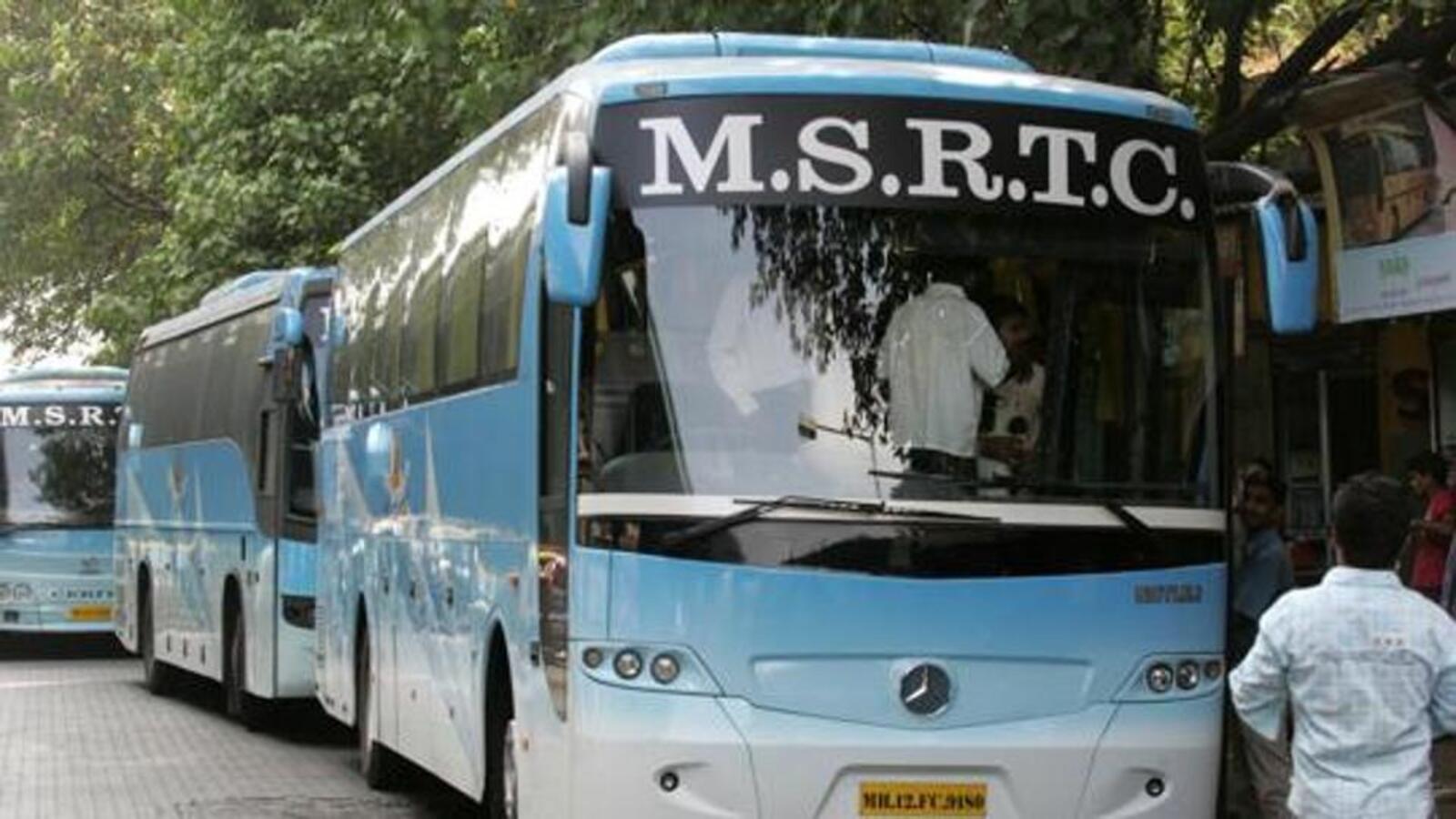
A revised fuel procurement strategy by Maharashtra State Road Transport Corporation is reshaping the cost structure of public transport in Maharashtra, with implications for operational efficiency and long-term sustainability of state-run mobility systems.The corporation has secured a higher diesel discount of ₹5.13 per litre through a competitive tendering process, marking a shift from earlier procurement methods that relied on fixed supplier arrangements. This change is expected to generate annual savings of around ₹240 crore, offering relief to an organisation grappling with mounting financial pressures.
Fuel remains one of the largest cost components for MSRTC, which operates a fleet of over 16,000 buses and consumes nearly 10.87 lakh litres of diesel daily. Annual fuel expenditure currently stands at approximately ₹3,400 crore, a figure projected to rise significantly with the planned addition of thousands of new buses. The shift to competitive bidding signals a broader reform in how public transport utilities manage procurement. By leveraging market-based pricing, MSRTC is attempting to reduce inefficiencies while improving transparency—an approach that could serve as a model for other state transport bodies facing similar financial constraints.The savings come at a critical time. The corporation continues to carry accumulated losses of nearly ₹12,000 crore, with operational expenses consistently exceeding daily revenues. In this context, reducing fuel costs is not merely an accounting exercise but a structural necessity to sustain services across urban and rural regions.
From an urban development perspective, the implications extend beyond finances. Affordable and reliable bus transport remains essential for mobility in both metropolitan and semi-urban areas, particularly for low- and middle-income populations. Cost efficiencies in operations can help maintain service coverage without placing additional financial burden on commuters.The initiative is part of a wider strategy by MSRTC to diversify revenue and modernise operations. Plans are underway to establish multi-fuel retail outlets—including diesel, petrol, CNG, LNG, and EV charging—across more than 100 locations under public-private partnerships, potentially generating additional income streams. Technology integration is also being introduced to improve efficiency. AI-based monitoring systems are being deployed to reduce fuel leakage and discrepancies during refuelling, while solar energy projects are being explored to offset operational costs. However, the continued reliance on diesel highlights a transitional phase in public transport. While there are long-term plans to electrify fleets, current operations remain heavily dependent on fossil fuels, making cost optimisation critical in the interim.
Looking ahead, the success of these reforms will depend on sustained implementation and alignment with broader mobility transitions, including electrification and cleaner energy adoption.For MSRTC, the diesel tender outcome represents more than a financial gain—it marks a step towards building a more resilient, efficient, and adaptable public transport system capable of supporting Maharashtra’s growing urban and regional mobility needs.