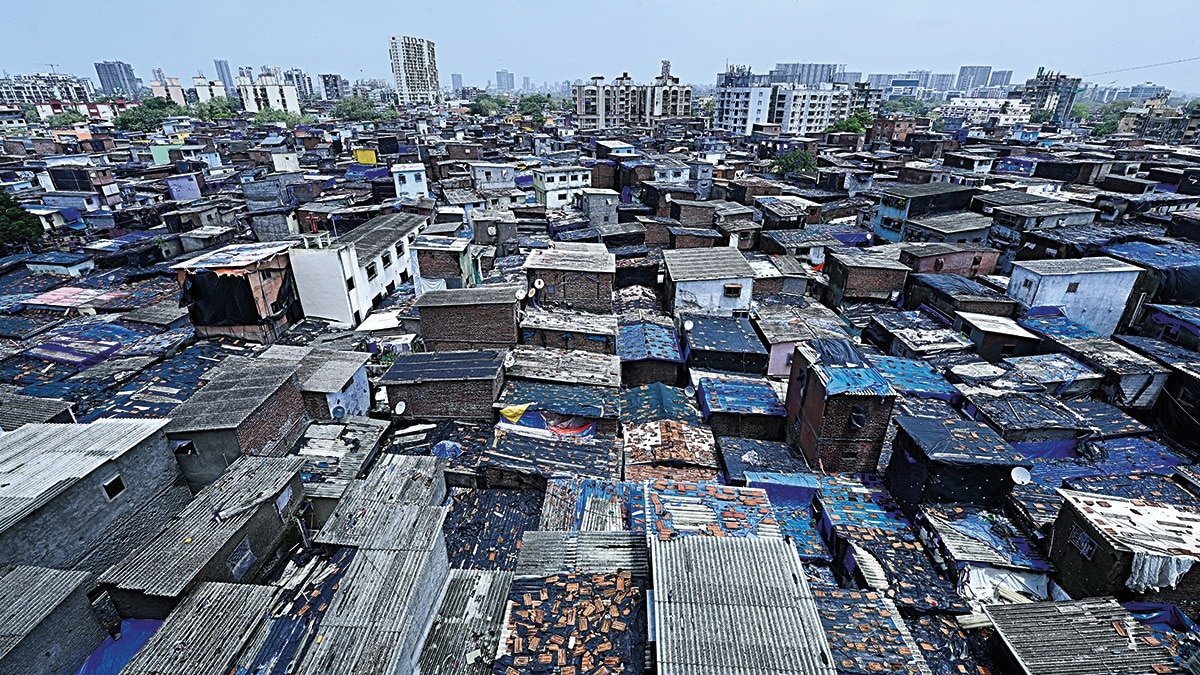
The Maharashtra State Road Development Corporation (MSRDC) has expanded its operational mandate by establishing a dedicated unit to oversee slum redevelopment projects across Mumbai, marking a notable shift from its traditional focus on highways and flyovers. Tasked under the state government’s Slum Free Mumbai initiative, the corporation aims to provide structured and expedited execution of long-pending urban housing schemes, potentially reshaping the city’s approach to inclusive redevelopment.
The newly formed unit is set to manage redevelopment over nearly 97,713 acres, encompassing more than 24,000 slum tenements across key Mumbai neighbourhoods including Wadala, Sion, Vile Parle, Ghatkopar, Antop Hill, Jogeshwari, Malad, Kandivali, Borivali and Dahisar. Forty-five projects have been identified under this initial phase, with the MSRDC taking responsibility for end-to-end execution—from planning and feasibility assessments to financial structuring and regulatory compliance verification. A senior MSRDC official highlighted that this represents the first instance in which the corporation will lead slum redevelopment projects in their entirety, extending beyond its traditional role of rehabilitating project-affected persons displaced by infrastructure works. The dedicated eight-member implementation team comprises architects, urban planning specialists, civil engineers and financial experts. Their responsibilities include preparing cluster-based redevelopment proposals, managing statutory approvals, coordinating with municipal authorities, appointing consultants, and overseeing contractors to ensure project timelines are maintained.
Urban planners note that the move aligns with broader state efforts to adopt cluster-based redevelopment models, which aim to consolidate fragmented land parcels and mitigate delays often associated with private-led schemes. By bringing MSRDC into the housing sector, the government seeks to leverage the corporation’s project management expertise to navigate regulatory bottlenecks and accelerate delivery of rehabilitation units. Parallel redevelopment efforts are already underway in Ghatkopar, where the Mumbai Metropolitan Region Development Authority (MMRDA) is executing projects in Mata Ramabai Ambedkar Nagar and Kamraj Nagar, targeting over 4,300 rehabilitation units. Similar initiatives are in progress across other major suburban areas, highlighting a coordinated effort to address housing deficits and improve living standards for middle- and lower-income residents.
Industry experts emphasise that this expanded role for MSRDC could serve as a model for integrating infrastructure and housing redevelopment, fostering equitable urban growth while maintaining compliance with planning and environmental standards. By applying a systematic, state-led approach, the initiative seeks to deliver faster, more reliable outcomes for residents, reduce relocation pressures, and support the city’s long-term sustainability objectives. As the projects progress, the focus will remain on timely completion, transparent governance, and inclusive planning to ensure that the original Mumbaikars benefit from structured urban renewal while contributing to a more resilient and livable cityscape.
MSRDC Takes Lead On Slum-Free Mumbai Housing Projects