


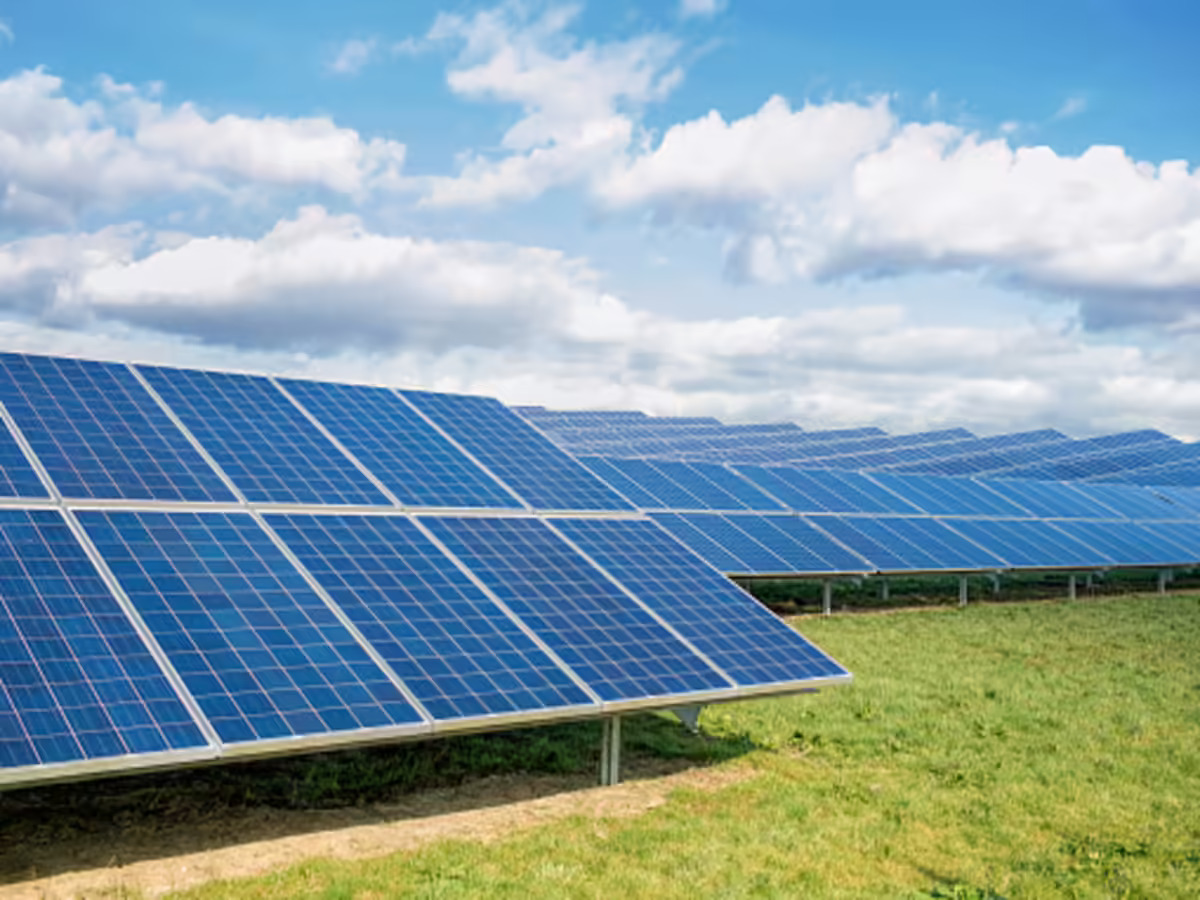
Nagpur’s ambitious metro solar project has hit a roadblock as Maharashtra State Electricity Distribution Company Ltd (MSEDCL) fails to update its portal for higher-capacity approvals, leaving the city’s 1.5 MW solar initiative at Hingna and Mihan depots stalled. The Maharashtra Electricity Regulatory Commission (MERC) has now intervened, directing the physical submission of applications and instructing MSEDCL to process them within 15 days.
The project, part of MahaMetro’s effort to achieve 50% energy from solar, has been awaiting portal upgrades since MERC’s July directive to accommodate rooftop and group net metering applications up to 5 MW, in line with 2023 regulatory amendments. Over two months later, no updates had been implemented, preventing MahaMetro from operationalising its solar panels. Officials filed a fresh petition in early September, including an urgent interlocutory plea to expedite the process. MSEDCL argued that hard-copy submissions were permitted for virtual net metering in similar cases until digital systems were updated, seeking parity for MahaMetro. MERC accepted this and instructed officials to submit their proposal physically, while warning that future proceedings would focus on compliance monitoring. The physical application was filed on September 19, and the next hearing is scheduled for September 30. MSEDCL officials, meanwhile, are reportedly considering challenging the order in the high court.
The delay is proving costly. Metro authorities estimate losses of approximately ₹12 lakh per month, exceeding ₹1.4 crore annually, as the system continues to rely on grid electricity. Earlier projections suggested that full solar deployment could have saved nearly ₹45 lakh per month, highlighting the financial impact of regulatory inaction. Currently, only Reach 1 (Sitabuldi–Khapri) and Reach 3 (Sitabuldi–Lokmanya Nagar) have solar coverage at all stations, while Reach 2 (Sitabuldi–Automotive Square) remains without any solar infrastructure. Reach 4 (Sitabuldi–Prajapati Nagar) has panels at just three stations, and even the Hingna and Mihan depot panels remain idle. As a result, MahaMetro’s solar share remains stuck at 15%, far below the 50% target.
City officials emphasise that the delay not only affects operational costs but also undermines Nagpur’s broader commitment to sustainable, low-carbon urban infrastructure. With the regulatory deadline approaching, the project’s success hinges on whether MSEDCL complies promptly or escalates the matter through further legal challenges. Stakeholders note that timely execution is critical for Maharashtra’s urban energy transition and for setting an example of integrating renewable power into public transport networks. If resolved within the new MERC-mandated timeframe, the Nagpur Metro could reclaim its trajectory toward eco-friendly operations, reduced carbon footprint, and significant cost savings, reinforcing the city’s position as a model for sustainable urban transit solutions.
Also Read: Mumbai Dindoshi Metro Station Closes Suddenly Leaving Commuters Stranded During Peak Hours
