


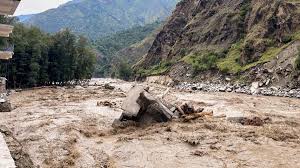
Himachal Pradesh, severely crippling public infrastructure and claiming lives. As of Thursday morning, the State Disaster Management Authority (SDMA) reported a staggering 311 roads blocked, 221 water supply schemes disrupted, and 65 power transformers damaged within the last 24 hours. The National Highway-70 in Mandi district remains impassable due to landslides and heavy rainfall, highlighting the extreme vulnerability of the region’s connectivity. This ongoing crisis underscores the urgent need for a robust and climate-resilient infrastructure development strategy to protect lives and ensure sustainable growth in the ecologically fragile Himalayan state.
The cumulative death toll due to monsoon-related incidents in Himachal Pradesh has tragically climbed to 137. This includes 77 fatalities directly attributed to rain-related events such as landslides, house collapses, and flash floods, while an additional 60 deaths have resulted from road accidents exacerbated by the treacherous weather conditions. Mandi, Kullu, and Chamba districts bear the brunt of road closures, with Mandi alone accounting for 184 blocked routes. The extensive damage extends beyond immediate disruptions, impacting daily life, economic activities, and the overall well-being of communities. The fragility of existing infrastructure under extreme weather stress necessitates immediate and sustained investment in adaptive technologies and sustainable urban planning.
Also Watch: “Mumbai will rock, shine and always be India’s best city to live.” In an exclusive, MHADA CEO Sanjeev Jaiswal (IAS) talks about Mumbai’s enduring charm, livability, and the government’s focus on making it affordable for all
While restoration work is underway across affected districts, the continuous reporting of fresh disruptions underscores the systemic challenges faced by the state. This recurring cycle of destruction and repair calls for a shift from reactive measures to proactive, sustainable infrastructure solutions. Implementing eco-friendly engineering, such as nature-based solutions for flood management, and investing in advanced early warning systems are crucial. These measures are vital for not only safeguarding public infrastructure but also for fostering equitable access to essential services, promoting gender-neutral disaster relief efforts, and ultimately building zero net carbon cities that can withstand the increasing intensity of climate-induced events.
The plight of affected communities, particularly in tribal districts like Lahaul-Spiti, highlights the urgent need for adequate compensation and support. Congress MLA Anuradha Rana’s appeal to the state government for a special flood relief package, citing the inadequacy of current compensation norms, brings a critical human dimension to the disaster. Her efforts to meet the Chief Minister to advocate for enhanced compensation underscore the socio-economic impact of these calamities, particularly on vulnerable populations. Beyond immediate relief, a comprehensive strategy that involves community participation, integrates traditional knowledge with modern technology, and prioritizes the most vulnerable, including women and marginalized groups, in disaster preparedness and response, is essential for building a truly resilient and equitable Himachal Pradesh. This proactive approach will be key in mitigating future losses and ensuring the long-term sustainability of the region’s urban and rural landscapes.
Also Read: Air India Flight AI 2744 Skids Off Mumbai Runway Amid Rain Toda
