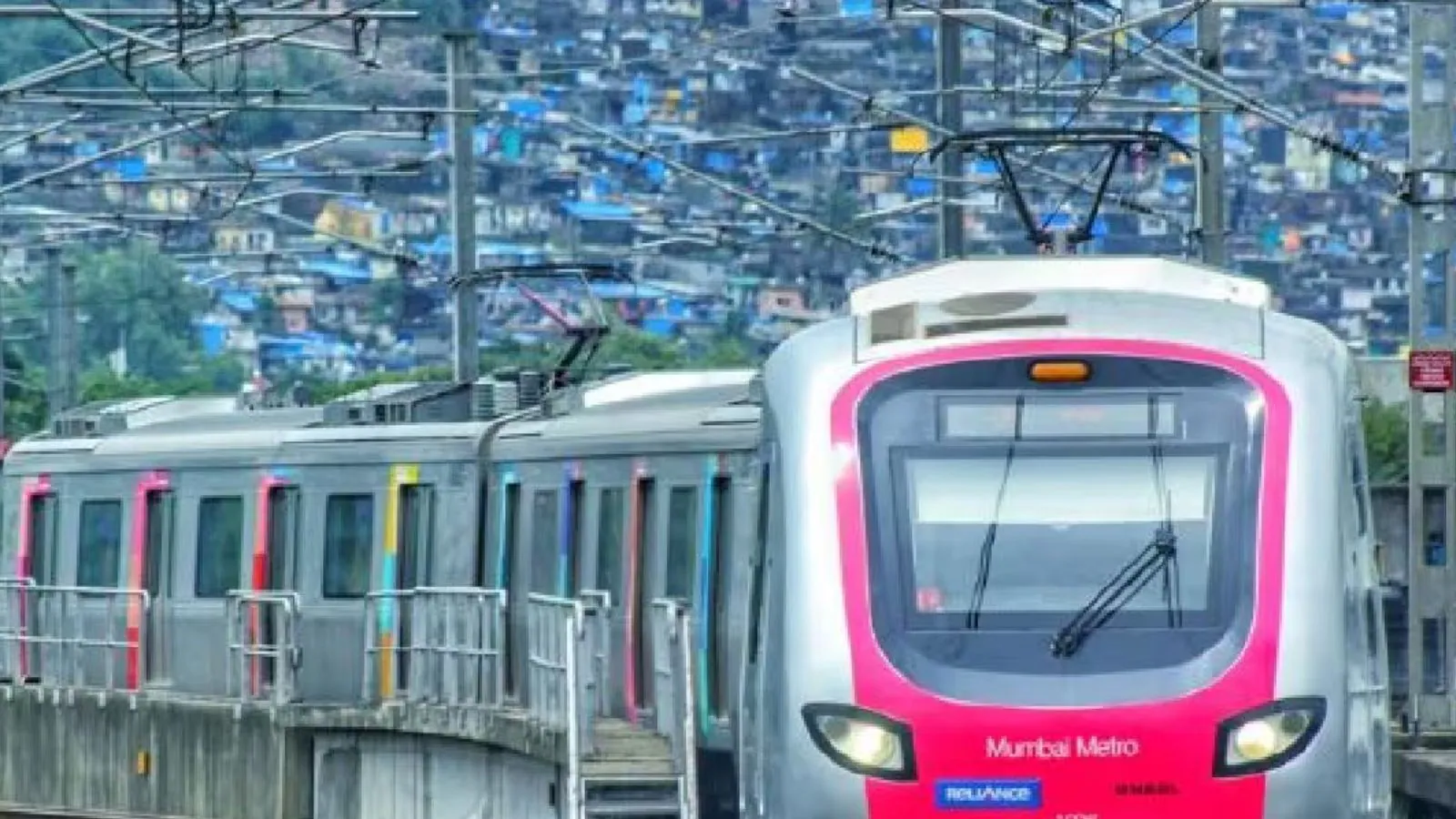
Transport planners in the Mumbai Metropolitan Region are examining a triple layer metro corridor model to address severe congestion across rapidly expanding suburbs such as Kalyan, Dombivli and Ulhasnagar. The concept, reviewed during recent infrastructure discussions at the regional planning authority, proposes stacking road, flyover and metro rail infrastructure vertically along key transport corridors — a design approach aimed at improving mobility while conserving limited urban land.
Officials familiar with the planning discussions say the triple layer metro corridor model integrates three transport systems in a single right of way. Surface-level roads would continue to carry local traffic, elevated flyovers would serve through-traffic, and metro rail lines would operate on a higher deck. This vertical design is increasingly being explored in dense cities where land acquisition and road widening are both costly and disruptive. The proposal is closely tied to several upcoming metro projects in the eastern section of the Mumbai Metropolitan Region. These include new corridors connecting growth centres such as Kalyan, Taloja, Badlapur and Bhiwandi. Planners believe the triple layer metro corridor structure could help integrate metro lines with arterial roads that already experience heavy traffic pressure due to industrial activity and rapid residential development.
Regional infrastructure experts say the concept reflects a broader shift in urban transport planning. Instead of expanding roads horizontally, which often displaces communities and businesses, authorities are increasingly turning to multi-level infrastructure to manage mobility demand. In fast-growing satellite cities around Mumbai, where land values are rising and traffic volumes are climbing each year, such solutions are being considered essential for long-term sustainability. Several strategic road stretches are being evaluated for the integrated design. Corridors linking Kalyan with neighbouring cities such as Ulhasnagar, Ambernath and Badlapur are among the routes under consideration. Elevated road segments and metro alignments could potentially share supporting structures, helping reduce construction time and environmental disruption.
Urban planners say the model could also support climate-resilient transport planning. By strengthening mass transit connectivity through metro networks while maintaining road capacity, the approach may gradually reduce dependence on private vehicles. Over time, this could help limit emissions and improve air quality in dense suburban clusters where transport-related pollution has become a growing concern. However, such large-scale infrastructure projects also bring social and planning challenges. Officials involved in the discussions indicated that households and businesses affected by construction would need temporary relocation. Existing housing schemes developed under urban welfare programmes are being considered to provide interim accommodation during the project phase. Authorities are also reviewing proposals for permanent rehabilitation and alternative commercial spaces for displaced traders.
Land acquisition for associated road projects in Kalyan East and surrounding corridors is expected to move forward in parallel with metro planning. Transport agencies are also pushing to accelerate work on key regional highways and tunnels that would integrate with the expanding metro network. If implemented successfully, the triple layer metro corridor approach could redefine mobility in Mumbai’s eastern suburbs. With suburban populations continuing to grow and daily commutes stretching across multiple districts, planners argue that integrated, space-efficient transport systems will be critical to maintaining economic activity and liveability across the wider metropolitan region.
MMRDA Triple Layer Metro Plan Targets Traffic Relief