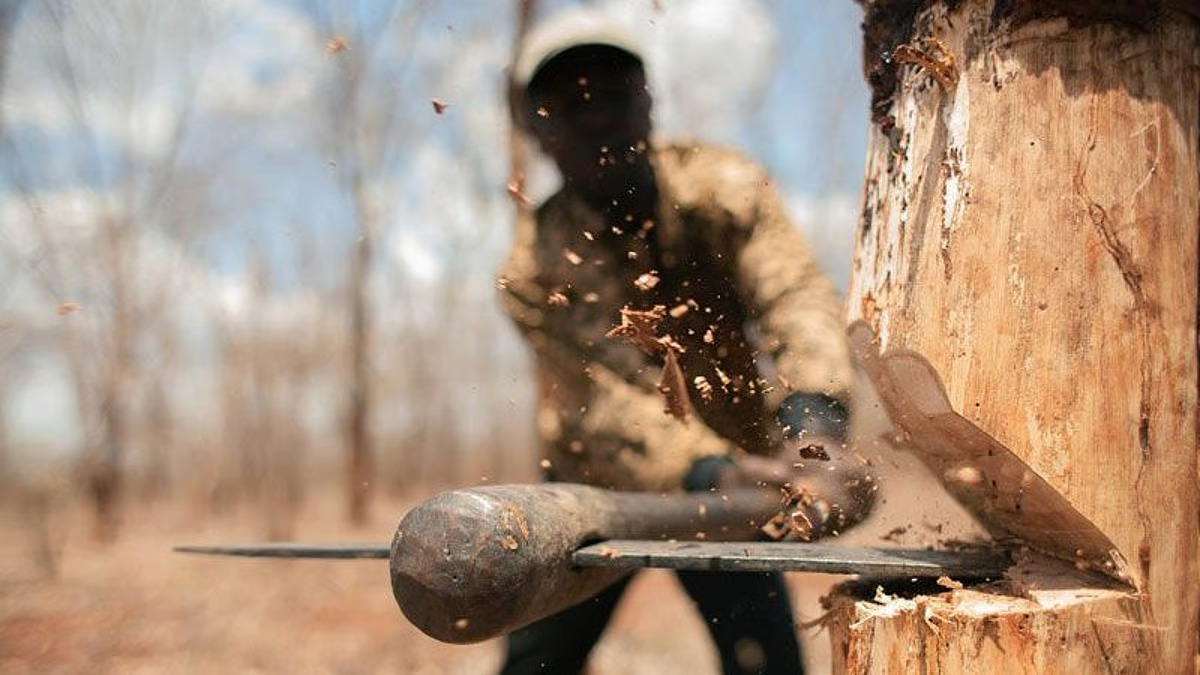
Mumbai’s push for smoother urban mobility is set to take a sustainable turn, as the Mumbai Metropolitan Region Development Authority (MMRDA) begins the much-anticipated Eastern Freeway expansion project between Ghatkopar and Thane. The authority has received approval from the Brihanmumbai Municipal Corporation’s Parks Department to cut 320 trees while replanting 386 and adding over 4,000 new saplings across the project area, reflecting an intent to balance infrastructure growth with ecological responsibility.
Officials confirmed that the 12.9-kilometre, 40-metre-wide freeway project, estimated at ₹2,662 crore, is designed to ease chronic congestion along the Eastern Express Highway. Once operational, the new corridor will significantly reduce travel time between Thane and Ghatkopar, offering a faster, signal-free route through Mumbai’s dense eastern corridor. The project, however, comes with a clear environmental roadmap — one that prioritises reforestation and tree preservation through scientific relocation and compensatory planting. According to officials, the MMRDA has pledged that no unauthorised tree cutting will take place. Instead, each removal will follow a scientifically guided translocation and replanting process to ensure survival rates. The authority will also plant 4,175 additional trees in and around the project zone as a compensatory measure. In an important design change, engineers altered the freeway alignment to save 127 Pink Trumpet trees along the Vikhroli–Ghatkopar stretch — a move praised by environmental planners as a model for “green engineering” in urban infrastructure.
The BMC’s Parks Department conducted a joint inspection to validate that only essential trees would be affected and that compensatory afforestation will be monitored over the next few years. Environmental experts have welcomed this shift, noting that infrastructure projects in dense metros like Mumbai can no longer afford to ignore ecological safeguards. They also emphasised the need for long-term soil and water monitoring around newly planted trees to ensure sustainability beyond the project’s completion phase. Beyond its environmental commitments, the project’s social dimension is equally significant. Nearly 1,694 informal housing structures across Mata Ramabai Ambedkar Nagar and Kamaraj Nagar are slated for relocation. The Slum Rehabilitation Authority has completed eligibility verification, and relocation funds have been released to facilitate resettlement before demolition begins. Construction, awarded to Navyug Engineering, is expected to start early next year and conclude within four years.
Urban planners say the Eastern Freeway extension represents Mumbai’s effort to combine speed with sustainability — integrating modern infrastructure with conscious environmental planning. When completed, it will not only shorten commutes but also demonstrate how future transport projects in Indian cities can adopt green-conscious construction models that respect both nature and necessity.
MMRDA To Cut 320 Trees And Plant 4175 For Eastern Freeway Project