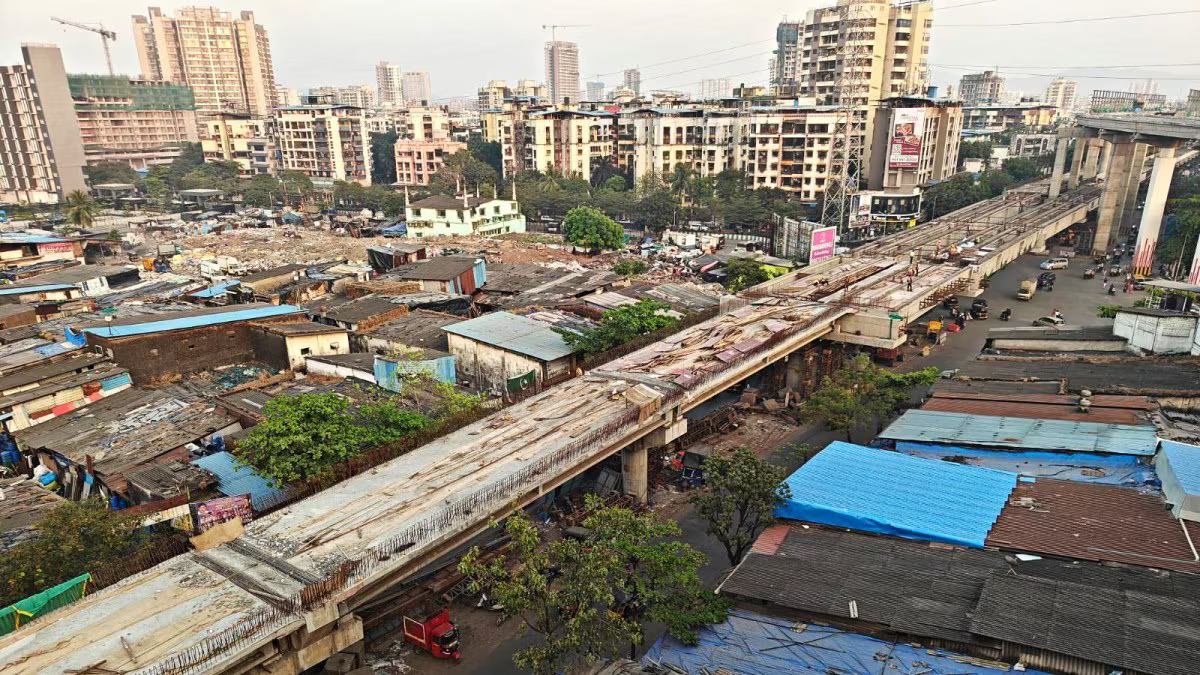
A critical stretch of elevated road infrastructure in the northern Mumbai Metropolitan Region is set to open to traffic only after an additional layer of scrutiny, reflecting a growing institutional focus on road safety and managed urban growth. The Mira–Bhayander flyover, integrated into the Metro Line 9 corridor, will be commissioned in phases following a mandatory third-party safety assessment, according to officials overseeing the project.
The flyover, located along one of the region’s most congested suburban corridors, is part of a double-decker structure designed to carry both metro services and vehicular traffic. While the elevated road is structurally complete, authorities have opted for a cautious rollout. Initially, only one lane in each direction will be opened beyond a key junction, with full capacity deferred until additional land required for ramp widening is formally transferred by the local civic body. Urban planners note that this approach reflects a shift away from headline-driven project launches towards risk-managed infrastructure delivery. A senior transport official said the phased opening is intended to balance commuter relief with safety considerations, particularly in areas where right-of-way constraints intersect with railway infrastructure and dense urban development.
Up to one of the busiest traffic nodes in the Mira–Bhayander belt, the flyover will operate with its intended four-lane configuration, helping ease chronic congestion that affects daily commuters, public transport services and emergency vehicles. Beyond this point, however, limited space and pending Development Plan land acquisition have necessitated a narrower operational profile for the time being. Officials stressed that this configuration was part of the originally sanctioned design and approved under national road engineering standards. Concerns had emerged among motorists after visual inspections suggested a sudden reduction in carriageway width, raising fears of traffic bottlenecks. Project authorities responded by clarifying that the current layout is an interim arrangement and that permanent widening will be undertaken once civic clearances are secured. Urban mobility experts say such transparency is essential in fast-growing suburbs, where infrastructure often races ahead of land-use planning.
Significantly, the project is subject to a third-party road safety audit that goes beyond statutory compliance. The assessment will review merging zones, signage, crash barriers, vehicle height restrictions and speed-calming measures before recommending final operational clearances. All remedial works identified through the audit will be implemented prior to opening, underscoring an emphasis on accident prevention rather than post-facto corrections. The flyover also forms part of a larger connectivity plan that includes a future elevated arm crossing the suburban rail corridor towards the western side of Bhayander. Once completed, the full network is expected to reduce travel time, improve public transport integration and lower idling-related emissions along a heavily trafficked arterial road.
As suburban municipalities across the Mumbai region grapple with rapid population growth, transport specialists argue that projects like this highlight the need for closer coordination between infrastructure agencies and civic authorities. The coming months will test whether phased commissioning can deliver immediate mobility gains while setting a more sustainable precedent for urban infrastructure delivery.
MMRDA Plans Gradual Mira Bhayander Flyover Launch