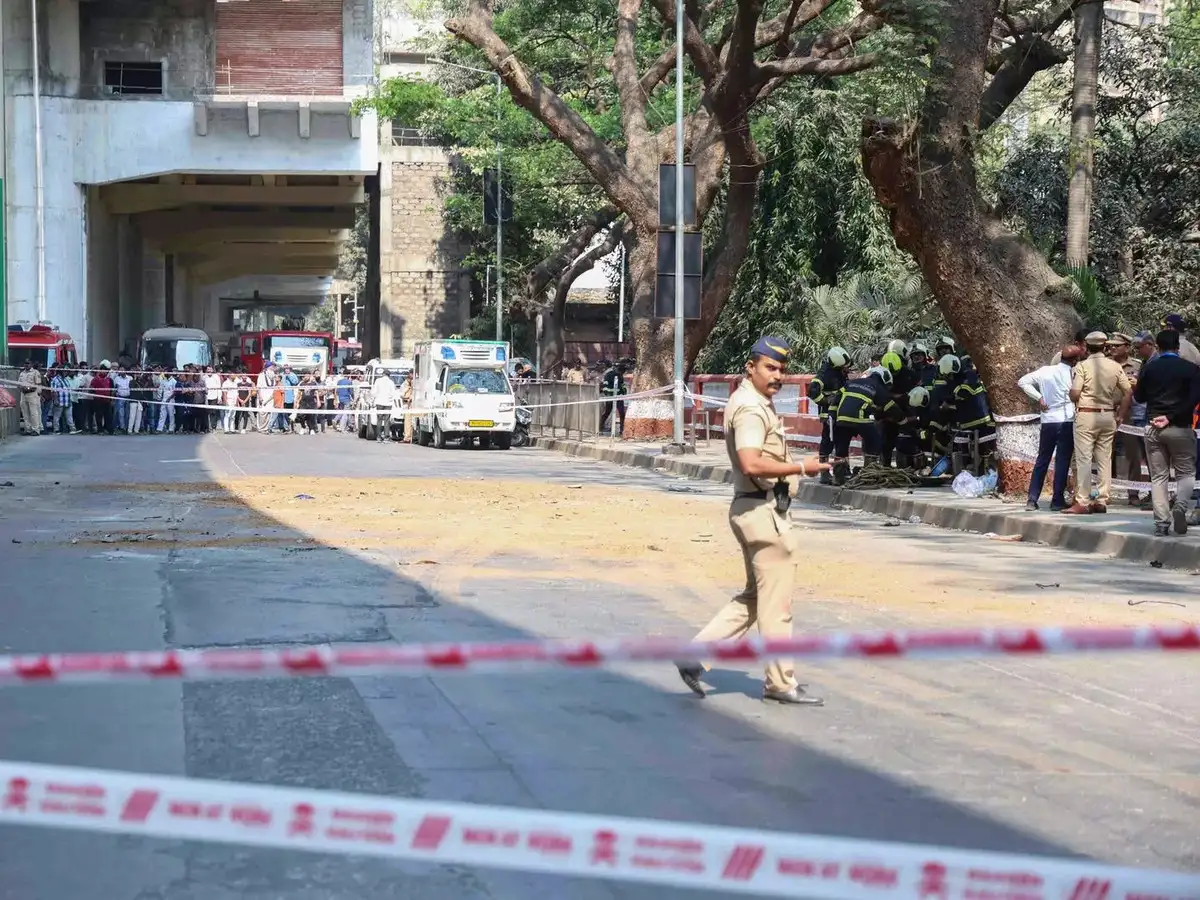
A fatal construction failure on an under-development metro corridor has prompted a sweeping safety and governance reset across Mumbai’s rapid transit programme. The Mumbai Metropolitan Region Development Authority has ordered comprehensive structural audits of all metro corridors currently under construction, signalling heightened scrutiny of execution standards as the city accelerates its mass transit expansion.
The decision follows a mid-February incident on the Metro-4 corridor in Mulund, where a heavy concrete safety element detached from an elevated structure, resulting in one fatality and multiple injuries. The collapse has intensified public and institutional concern over construction supervision, contractor compliance and the robustness of on-site safety protocols across Mumbai’s expanding metro network. Senior officials overseeing the review said multidisciplinary teams comprising structural experts and experienced engineers will examine critical load-bearing and safety-related components. These include viaduct pillars, girder connections, parapets and other elevated elements that directly affect commuter and pedestrian safety below. The inspections are expected to extend beyond the affected corridor to all ongoing metro projects under the authority’s jurisdiction.
In parallel, the authority has taken the significant step of terminating the engagement of the general consultancy firm responsible for the Wadala–Kasarvadavali corridor. Officials indicated that repeated non-compliance with prescribed inspection and safety procedures had been flagged over the past several years, raising questions about systemic lapses in supervision. Engineers linked to the project have been suspended, and a departmental inquiry involving senior officials is underway. While operational metro lines are subject to periodic inspections at fixed intervals, urban transport specialists note that under-construction corridors pose higher risks due to changing load conditions, active worksites and interface with public roads. Any deviation from standard operating procedures during this phase can have serious consequences, particularly in dense urban environments like Mumbai, where construction zones often sit above live traffic and pedestrian movement.
In the immediate aftermath of the incident, officials conducted an expedited review of a substantial section of the Metro-4 alignment, reporting no additional structural anomalies in the inspected stretch. However, the expanded audits will now cover multiple corridors across the metropolitan region, including those connecting western suburbs, eastern growth nodes and satellite cities. Urban planners view the move as a critical inflection point for Mumbai’s infrastructure governance. Large-scale metro investment is central to reducing long-term carbon emissions, curbing road congestion and improving economic productivity. Yet, experts argue that public trust in mass transit hinges on visible accountability and uncompromising safety standards during construction.
From a market perspective, the episode is likely to influence how future metro contracts are structured, with greater emphasis on independent audits, digital monitoring and enforceable penalties for non-compliance. Developers and contractors working near metro alignments may also face stricter coordination requirements. As inspections progress, the focus will be on translating lessons from the collapse into systemic improvements. For Mumbai’s metro programme, the challenge ahead is clear: deliver speed and scale without compromising the safety and resilience essential to a people-first urban future.
MMRDA Orders Metro Safety Audit After Fatal Collapse